
Plants
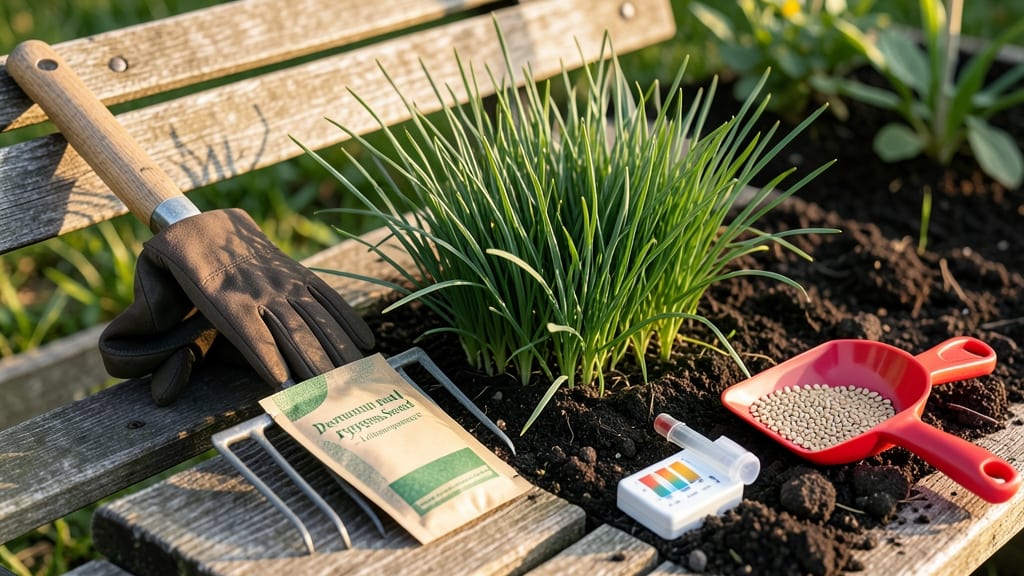
Planting ryegrass in Tennessee at the right time 🌾 is the difference between a lush, weed-free lawn and a patchy mess that barely survives winter.
Tennessee’s diverse climate—from humid Appalachian valleys to hotter Nashville plains—means planting at the wrong time can leave you with patchy lawns or wasted seeds. But get the timing right, and you’ll unlock a thick, green carpet that outlasts weeds and droughts.
Fall is your best bet, with ideal windows between early September and mid-October, when soil stays warm enough for seeds to germinate but nights cool down to protect new growth. Spring planting works too, but only if you get it in by early April before summer heat sets in.
Below, I break down the exact months by USDA zone (6a-7b), soil prep secrets to speed up germination, and how to adjust for Tennessee’s unpredictable weather—so you can plant with confidence and enjoy a lawn that stays green year-round.
Best planting months for ryegrass in Tennessee by USDA Zone (2024 guide)
Tennessee’s three distinct USDA zones—6b, 7a, and 8a—create unique planting windows for ryegrass. In Zone 6b (eastern highlands), cooler temps extend your fall window, while Zone 8a (western plains) demands earlier planting to avoid summer heat stress.
The key? Planting 4-6 weeks before first frost ensures robust root development before winter dormancy.
For fall planting, aim for early September to mid-October across all zones. This timing lets seeds germinate in warm soil while avoiding summer heat exhaustion. In Zone 7a (middle Tennessee), where first frosts average November 1, late October plantings still work if soil temps stay above 50°F.
Spring plantings should occur late February to early April, but Zone 8a gardeners should start by mid-February to beat summer’s arrival. The last average frost date (April 15) marks your final window—plant too late, and your ryegrass may struggle to establish before heat sets in.
Here’s your zone-specific planting calendar with exact dates and soil temperature thresholds:
In Zone 6b, where nights dip below freezing earlier, early September plantings give seeds time to establish before November’s first frost. Use a soil thermometer—ideal germination occurs at 55–75°F. If temps drop below 50°F, cover seeds with straw to insulate them until spring.
For Zone 7a, where Nashville’s urban heat island can delay frosts, stretch your window to late October but monitor soil moisture. Dry spells in fall can stress young seedlings, so water deeply 2–3x weekly until roots establish (about 3–4 weeks).
Western Tennessee’s Zone 8a demands urgency—plant by early September to avoid summer’s 90°F+ soil temps, which cause seed dormancy. If overseeding an existing lawn, mow short (1–1.5") 2 days before planting to improve seed-to-soil contact.
Pro tip: Late fall plantings (November) work in Zone 6b if soil stays above 40°F, but Zone 8a gardeners should avoid this—ryegrass may not germinate before winter. Test your soil’s pH (6.0–7.0 ideal) and amend with lime or sulfur if needed before seeding.
Remember: Spring plantings should never exceed April 1 in Zone 7a/8a, or your ryegrass will struggle with summer heat stress. In Zone 6b, you can push to early April—just mulch heavily to retain moisture during Tennessee’s unpredictable spring rains.
🌾 For overseeding, follow the same zone rules but reduce seed rate by 25%—existing turf competes for nutrients. Always water lightly daily for the first 2 weeks to prevent seed washout.
How to adjust planting time for Tennessee’s microclimates (heat, rain, OR drought risks)
Tennessee’s microclimates can shift your ideal ryegrass planting window by weeks—or even months. Nashville’s urban heat islands stay warmer longer, while East Tennessee’s mountain valleys freeze earlier. West Tennessee’s flash droughts demand earlier planting to avoid seed desiccation. Ignoring these factors means risking poor germination or stunted growth.
For most of Tennessee, early September to mid-October is prime for fall ryegrass. But in Nashville’s Zone 7a, wait until late September to avoid summer heat stress.
In East Tennessee’s Zone 6b, plant by mid-September to beat early frosts. Adjust spring planting too: late February in West Tennessee vs. early March in the mountains.
⚠️ callout-warning ⚠️
Plant ryegrass only when soil temps are 60-65°F (test with a soil thermometer). Hotter soils (>75°F) cause seed rot, while cooler soils (<55°F) slow germination. In Nashville’s heat islands, wait until late September when temps drop below 80°F. In mountain valleys, aim for early September before nighttime lows dip below 55°F.
Use these soil temperature rules to adjust timing: - Zone 6b (East TN): Plant by September 15 when nights stay above 50°F. - Zone 7a (Middle TN): Target September 22-October 1 for 60-65°F soils. - Zone 8a (West TN): Shift to October 1-15 to avoid late-season heat.
Watch for flash droughts in West Tennessee—plant by early September and mulch heavily to retain moisture. In Nashville’s urban areas, increase irrigation by 20% to combat pavement heat. For mountain frost pockets, delay until after September 20 when frost risk drops below 10%.
Pro tip: Use a seed starter blanket to protect seedlings if planting near Tennessee’s first frost dates (early November in mountains). In drought-prone areas, pre-water soil to 12 inches deep before seeding. These adjustments ensure your ryegrass establishes roots before winter’s chill sets in.
Timing isn’t just about months—it’s about microclimate math. A 5°F temperature shift can mean the difference between a lush lawn and a failed patch. Use local weather stations (like TN Ag Weather Network) to track real-time soil temps and adjust your schedule accordingly.