
Plants
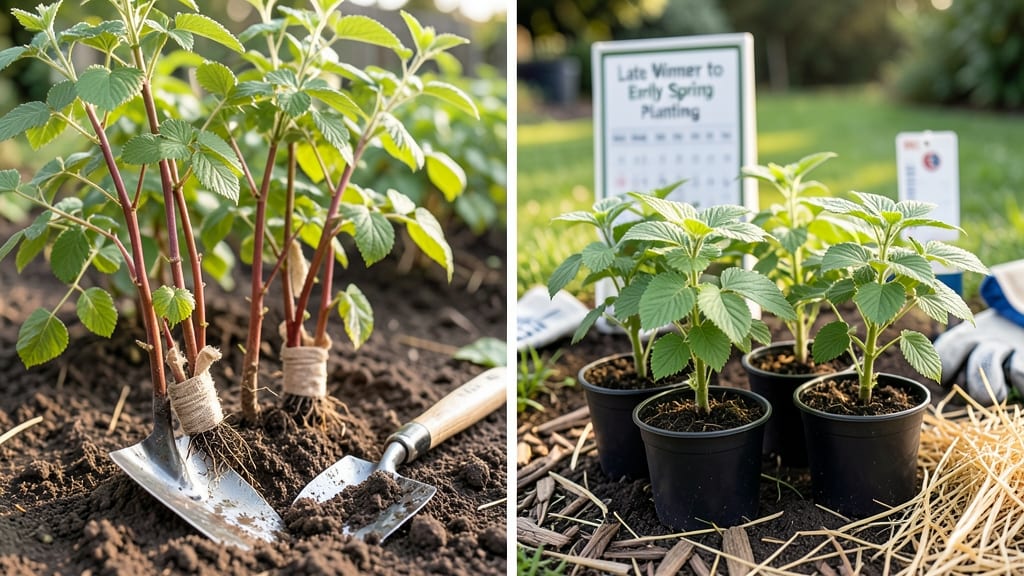
To plant raspberries in Zone 7, aim for late winter through early spring or fall—when soil temperatures are cool but frost risks recede.
Picture this: you’ve just dug your trenches, ready to tuck in those bare-root canes, when a late frost hits and your new 🍇 plants freeze before they can establish roots. That’s why timing matters more than you might think.
Zone 7’s short growing season means raspberries need a strong start to survive winter. Planting too early risks frost damage, while waiting too long can stunt root growth before harvest season arrives.
Below, I’ll walk you through the exact months for planting, how to prep your soil, and the care steps that make all the difference between a struggling patch and a thriving raspberry thicket.
Best planting months for raspberries in Zone 7: late winter vs. early spring breakdown
Timing is everything when planting raspberries in Zone 7, where frost dates and soil temperatures create a narrow window for success. Plant too early, and your canes risk frost damage before roots establish.
Too late, and they won’t develop strong roots before winter dormancy. The ideal window balances these risks, giving raspberries 6-8 weeks of warm soil before the first frost.
In Zone 7, late winter to early spring (February through April) is the gold standard for planting raspberries. This period allows roots to establish before summer heat stress, while avoiding the late frosts that can kill tender new growth.
For fall-bearing varieties, this timing ensures robust root systems before winter, while everbearing types benefit from early spring planting to maximize their two harvest cycles.
Soil temperature is the key factor—aim for 45-55°F at a 4-inch depth. In Zone 7, this typically occurs in March, but microclimates in the Piedmont region may reach this earlier, while Appalachian foothills lag slightly. Always check soil temps with a probe or wait until soil is workable without sticking to your shovel.
Here’s how the two primary planting windows compare for Zone 7 raspberries:
The late winter window (February-March) is ideal for everbearing raspberries like 'Heritage' or 'Carolina Gold', which produce fruit twice yearly. Planting in March gives roots time to establish before the first summer heatwave, while avoiding the late frosts that can kill tender canes.
For bare-root plants, soak canes for 12-24 hours before planting to rehydrate roots.
Early spring (March-April) is better suited for fall-bearing varieties like 'Boyne' or 'Dorman Red', which focus their energy on root growth in spring to support a single, massive harvest in late summer. Wait until soil temperatures consistently stay above 50°F—test with a soil thermometer—to ensure roots won’t stall in cold soil. In Zone 7, this often aligns with mid-to-late March.
If you’re planting potted raspberries (a common nursery option), early spring is your best bet. These plants have established root systems but still need 6-8 weeks of warm soil to transition from container to garden.
Remove plants from pots carefully, loosen roots if circling, and plant at the same depth they were in containers to avoid stem rot.
For fall planting (September-October), only attempt this if you’re using bare-root canes and can plant 6-8 weeks before the first frost. This method works well in Zone 7’s milder microclimates, like the Coastal Plain, where frosts arrive later.
The goal is to establish roots before winter dormancy, so water deeply after planting and apply 3-4 inches of mulch to insulate soil.
Regardless of timing, soil preparation is non-negotiable. Raspberries thrive in well-draining, slightly acidic soil (pH 5.5-6.5). Amend heavy clay with compost or sand, and ensure your planting site gets 6-8 hours of sun daily.
In Zone 7, this often means choosing a south-facing slope to maximize warmth and avoid frost pockets.
After planting, prioritize consistent moisture—raspberries need 1-2 inches of water weekly during establishment. Use drip irrigation or soaker hoses to keep soil evenly moist without wetting foliage, which reduces fungal diseases like cane blight.
In Zone 7’s humid summers, mulch with straw or wood chips to retain moisture and suppress weeds.
Remember: The best planting time is when soil is workable, frost risk is low, and you’re
Zone 7 raspberry planting calendar: exact dates by variety type and microclimate
Zone 7 offers two prime planting windows for raspberries: late winter to early spring (February-March) and fall (September-October). The best choice depends on your variety type and local microclimate—whether you're in the Piedmont region or Appalachian foothills.
Fall planting gives roots a head start before winter chill, while spring planting avoids late-season frost risks. Let's break down the exact dates and steps for each scenario.
For spring planting, aim for mid-February to early April when soil temperatures reach 45°F (7°C)—this ensures roots establish before summer heat. In fall, plant 4-6 weeks before first frost (typically late September to early October) to allow roots to anchor before dormancy.
Everbearing varieties like Heritage or Carolina Gold benefit most from fall planting, while fall-bearing types like Boyne or Nova can handle either season.
| Variety Type | Best Planting Window | Soil Prep Steps | Post-Planting Care |
|---|---|---|---|
| Fall-Bearing (e.g., Boyne, Nova) | Late Sept - Early Oct | Test pH (5.5-6.5), amend with compost | Water deeply, mulch 3-4" |
| Everbearing (e.g., Heritage) | Mid-Feb - Early Apr | Loosen soil 12" deep, add phosphorus | Stake plants, fertilize after leaves emerge |
| Primocane (e.g., Carolina Gold) | Late Sept OR Mid-Feb | Mix in aged manure, ensure drainage | Prune canes after harvest, mulch thickly |
Before planting, amend your soil with compost or well-rotted manure to improve drainage—raspberries hate soggy roots. Work in bone meal (1 cup per plant) for phosphorus to boost root growth. In Piedmont regions, where soils are often clay-heavy, mix in sand or perlite to prevent compaction.
For Appalachian foothills, focus on organic matter since soils tend to be thinner and rockier.
After planting, water deeply (1-2 gallons per plant) to settle soil around roots, then mulch heavily with straw or wood chips to retain moisture and regulate soil temperature. In spring, avoid fertilizing until new growth appears—waiting ensures roots aren’t burned by sudden nutrient uptake.
For fall plantings, reduce watering in late October to prepare plants for dormancy.
Microclimate matters: Sheltered areas (like south-facing slopes) can handle earlier spring plantings, while low-lying spots should wait until after last frost (typically mid-March in Zone 7a). Use row covers if planting early to protect from late frosts, which can damage tender new shoots.
Everbearing varieties are more frost-sensitive, so delay spring planting until soil warms consistently above 50°F (10°C).
With these exact dates and care steps, your raspberry canes will establish strong roots before winter, setting the stage for bountiful harvests in years to come. The key is soil prep, proper timing, and consistent moisture—skip these, and you’ll struggle with weak plants.
Get it right, and you’ll enjoy juicy berries for decades! 🍇