
Plants
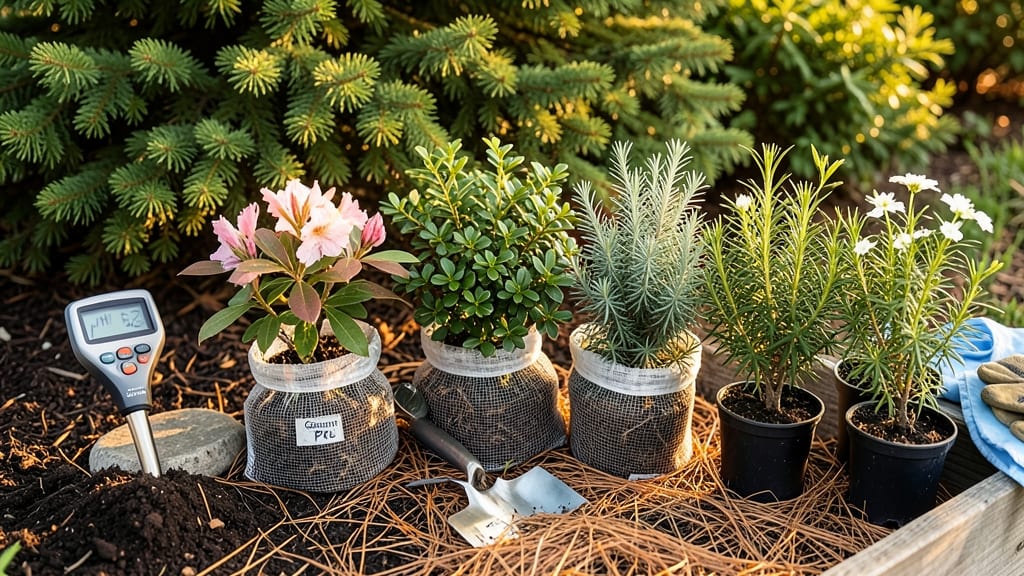
Planting evergreens in Zone 6 between late summer and early fall gives them the best shot at strong roots before winter 🌲 — timing this right makes all the difference for long-term health.
You’ve probably heard that evergreens are low-maintenance, but that’s only true if you plant them at the right time. Get it wrong, and you’ll end up with stressed plants that struggle to establish before the cold sets in.
In Zone 6, the ideal window is August through October, when soil temperatures are cooler and days grow shorter. This reduces transplant shock while giving roots enough time to settle before dormancy.
Below, I’ll walk you through the exact months to aim for, how to prepare your evergreens for Zone 6 winters, and the best varieties that thrive in your climate—so you can enjoy lush, resilient greenery year-round.
Optimal planting months for evergreens in Zone 6: why late summer to early fall works best
Planting evergreens in Zone 6 during the wrong season can stunt growth or even kill your new plants. The best window spans from late August through October, when cooler temperatures and shorter days create ideal conditions for root establishment before winter dormancy.
This timing reduces transplant shock and helps evergreens like pine trees or arborvitae establish strong root systems before the ground freezes.
Cooler fall temperatures—typically between 50°F and 65°F—are perfect for evergreens because they slow moisture loss while allowing roots to grow without the stress of summer heat. Shorter daylight hours also signal plants to focus energy on root development rather than foliage growth.
Planting too early in summer risks drought stress, while planting in late fall leaves too little time for roots to harden off before winter.
Soil temperatures play a critical role in evergreen success. Aim for soil temps between 50°F and 60°F at a depth of 6 inches. You can check this with a soil thermometer or by observing local frost dates.
In Zone 6, soil typically reaches these temperatures by mid-September, making it the ideal time to start planting. If you plant too early (e.g., July), roots may dry out before establishing.
Before planting, prepare your site by amending the soil with compost or peat moss to improve drainage and fertility. Evergreens prefer well-draining, slightly acidic soil (pH 5.0–6.5). Test your soil’s pH and adjust with sulfur if needed.
Loosen the soil to a depth of 12–18 inches to encourage root penetration, and avoid compacting the area around the planting hole.
| Planting Window | Key Conditions | Soil Temp | Root Establishment |
|---|---|---|---|
| Late August | Cooler air, reduced evaporation | 55°F–65°F | Moderate growth, minimal stress |
| September | Ideal temps, shorter days | 50°F–60°F | Strong root development |
| October | Pre-frost planting, reduced water loss | 45°F–55°F | Hardening off before winter |
| Early November (Zone 6b) | Risk of early frost; last chance | 40°F–50°F | Limited growth, focus on survival |
Container-grown evergreens can be planted slightly later than bare-root varieties because their root systems are already established. However, even container plants benefit from the cooler fall temps and should go into the ground by mid-October in most of Zone 6.
Avoid planting container evergreens in extreme heat (e.g., July or August), as their roots may dry out quickly.
When planting, dig a hole twice as wide as the root ball but no deeper. This encourages roots to spread horizontally rather than settling too low, which can lead to root rot.
Gently remove the plant from its container, loosen any circling roots, and place it in the hole so the top of the root ball sits 1–2 inches above ground level. This prevents water from pooling around the stem.
After planting, water deeply to settle the soil and eliminate air pockets. Apply 2–3 inches of mulch around the base (but not touching the trunk) to retain moisture and regulate soil temperature.
Use organic mulch like pine straw or shredded bark, which also improves soil structure over time. Reapply mulch in early spring to protect young roots from late frosts.
Evergreens planted in late summer or fall enter winter with a head start on root growth, making them far more resilient to cold. By contrast, spring-planted evergreens often struggle to establish before the next growing season.
The key is timing: plant when the weather cools, but before the ground freezes. With the right preparation, your evergreens will thrive year-round in Zone 6. 🌲
How to prepare evergreens for Zone 6 winter: pruning, mulching, and watering strategies
Once you’ve planted your evergreens in Zone 6, proper winter prep is critical to ensure they survive the cold months. The key lies in three main strategies: pruning, mulching, and watering.
Each plays a vital role in protecting your plants from winter burn, drought stress, and root damage. Let’s break down the best practices for each.
First, pruning is essential, but timing matters. Avoid heavy pruning in late summer or early fall, as new growth won’t harden off before winter. Instead, focus on light shaping or dead branch removal in early spring.
If you must prune in fall, do so 4-6 weeks before the first frost to allow wounds to heal. Never prune after mid-October in Zone 6.
⚠️ WARNING: Common Mistake Alert! Overpruning in fall can stress evergreens, leaving them vulnerable to winter desiccation. Avoid cutting more than 10-15% of the plant’s foliage in a single session.
Young evergreens (under 3 years old) should never be pruned in fall—wait until spring. For mature plants, prioritize removing dead or diseased branches over cosmetic shaping.
Next, mulching is your best defense against freezing temperatures. Apply a 3-4 inch layer of organic mulch (like shredded bark or pine straw) around the base of the plant, keeping it 6 inches away from the trunk to prevent rot.
Mulch acts as an insulator, protecting roots from temperature fluctuations and retaining moisture. Replenish mulch annually in early spring before new growth begins.
Watering is often overlooked but critical in fall. Evergreens need deep, infrequent watering to encourage deep root growth before dormancy. Water once every 10-14 days in late summer and early fall, reducing to every 3-4 weeks as temperatures drop.
Overwatering in fall can lead to root rot, while underwatering stresses plants and makes them more susceptible to winter burn. Always water in the morning to allow foliage to dry before nighttime freezing.
To protect young evergreens (especially those planted in late fall), consider wrapping the trunk with tree guard or burlap to shield it from sunscald and rodent damage. Avoid plastic wraps, as they can trap moisture and cause rot.
For container-grown evergreens, move them to a protected location (like a garage or against a south-facing wall) if temperatures are expected to drop below 10°F.
Finally, monitor your evergreens for signs of winter stress, such as brown needle tips or yellowing foliage. These are early warnings of drought stress or winter burn.
If you notice these issues, apply a light layer of anti-desiccant spray (like Wilt-Pruf) in late fall to create a protective barrier on the needles. With these strategies, your evergreens will enter winter strong and resilient.