
Plants
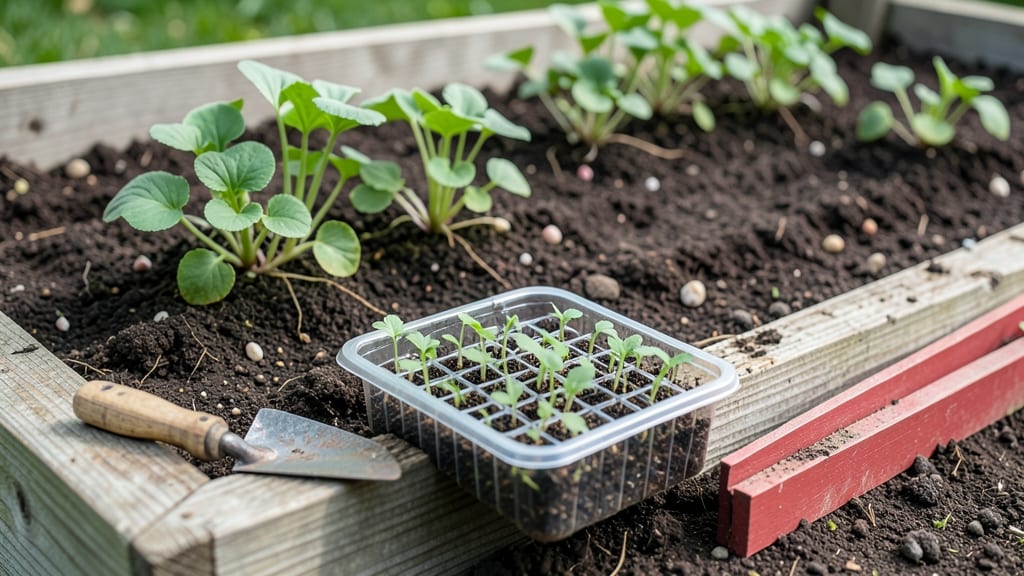
Radishes in Georgia thrive when planted between February and March for spring harvests or August to September for fall crops—timing that avoids the heat and bolting that turn sweet roots bitter.
Picture this: you’ve prepped your soil, sown the seeds, and waited three weeks for those crisp, crunchy radishes—only to pull up tough, woody roots instead. That’s what happens when you miss Georgia’s ideal planting windows, where temperatures and day length make all the difference.
Here’s the good news: radishes are one of the fastest vegetables to grow, ready in as little as 20 days if you plant them at the right time.
In Georgia’s 7b-8b zones, that means avoiding late spring heat and late fall frosts, both of which can ruin your harvest before it even starts.
Below, I’ll break down the exact months to plant for fast, crunchy radishes, how to prep your soil for quick germination, and the simple tricks to beat Georgia’s climate quirks—so you can enjoy homegrown radishes from spring through fall.
Best planting months for radishes in Georgia’s climate zones
Georgia’s USDA zones 7a-8b offer two perfect windows for growing crisp, sweet radishes: early spring and fall. Planting at the wrong time risks bolting (going to seed) or stunted growth, so timing is critical.
Radishes thrive in cool weather—ideal soil temps between 45°F and 75°F—making Georgia’s mild winters and warm falls ideal.
For spring harvests, start seeds 4-6 weeks before your last frost date (typically mid-February to early March). In Zone 8b, you can even plant as early as late January if your soil warms quickly.
Fall plantings should begin 6-8 weeks before your first frost (usually August to early September) for a cool-season harvest.
Here’s how Georgia’s climate zones break down for radish planting:
| Planting Window | Zone 7a | Zone 7b | Zone 8a | Zone 8b |
|---|---|---|---|---|
| Spring Planting | Feb 15 - Mar 15 | Feb 1 - Mar 10 | Jan 20 - Mar 5 | Jan 10 - Feb 28 |
| Fall Planting | Aug 15 - Sep 15 | Aug 1 - Sep 10 | Aug 1 - Sep 5 | Jul 20 - Aug 20 |
| Soil Temp Threshold | 45°F - 75°F | 45°F - 75°F | 45°F - 75°F | 45°F - 75°F |
| Frost Risk | High (avoid late March) | Moderate (watch April) | Low (safe until May) | Very Low (safe until June) |
| Harvest Window | April - May | April - May | March - April | Feb - March |
| Fall Harvest | Oct - Nov | Oct - Nov | Sep - Oct | Aug - Sep |
*Dates vary slightly by microclimate; monitor local frost forecasts.
In Zone 7a, where frosts linger longer, stick to March planting for spring radishes and August for fall. Zone 8b gardeners enjoy flexibility—plant as early as January for a February harvest or July for a late-summer crop.
Always check soil temperature before planting; radishes won’t germinate well in cold, wet soil.
For continuous harvests, succession plant every 2-3 weeks during your zone’s ideal window. Use quick-maturing varieties like ‘Cherry Belle’ (25 days) or ‘French Breakfast’ (30 days) to stagger harvests. Avoid planting in summer heat—temperatures above 80°F cause radishes to bolt prematurely.
Pro tip: Use row covers in early spring or late fall to extend your planting window by 2-3 weeks. These lightweight fabrics protect seedlings from frost while allowing sunlight to penetrate.
In Zone 8b, you can even grow radishes year-round with row covers and shade cloth during extreme heat.
Radishes are fast growers, so plan your schedule around their 20-35 day harvest time. In Georgia, this means you can fit 3-4 successive plantings into a single season.
Start with small batches to test your timing—once you nail the perfect window, you’ll have crisp radishes ready for salads all season long.
If you’re new to radish growing, direct sow seeds (they don’t transplant well) about ½ inch deep and 1 inch apart. Thin seedlings to 2-3 inches apart once they sprout. Keep soil consistently moist but not soggy—this prevents pithy, woody radishes, a common Georgia garden frustration.
For fall plantings, aim to harvest before first frost (typically mid-November in Zone 7a, early December in Zone 8b). Use cold-hardy varieties like ‘White Icicle’ or ‘Black Spanish’ for extended fall harvests. Mulch with straw to insulate roots during cool nights.
Remember: Timing beats everything when growing radishes in Georgia. Follow these zone-specific windows, and you’ll enjoy sweet, crunchy radishes from spring through fall—no bitter surprises here! 🥕
How to extend your radish season in Georgia’s heat
Georgia’s summer heat can turn radishes bitter and woody before you even harvest them—but don’t let the heat win! With the right strategies, you can grow sweet, crunchy radishes even in the hottest months.
The key is cooling the soil, protecting plants from direct sun, and choosing heat-tolerant varieties. Let’s beat the heat and keep your radish harvests coming all season long.
First, focus on soil cooling—radishes hate hot soil, which causes them to bolt or develop pithy roots. Mulch with straw or shredded leaves to keep soil temperatures down, and consider planting in raised beds filled with a mix of compost and peat moss.
These methods help maintain cooler root zones, which is critical for preventing bolting during Georgia’s sweltering summer afternoons.
🌱 Numbered Highlights: Beat the Heat for Radishes
- 🌡️ 1. Use shade cloth (30-50%) to block intense afternoon sun while allowing morning light for photosynthesis.
- 🌱 2. Plant heat-tolerant varieties like 'Cherry Belle' or 'French Breakfast'—they handle warmth better than standard types.
- 💧 3. Water deeply in the morning to keep soil moist and reduce stress; avoid evening watering to prevent fungal diseases.
- 📅 4. Succession plant every 2 weeks in late summer for continuous harvests before bolting sets in.
- 🌿 5. Cool soil with mulch—straw or wood chips keep roots from overheating during Georgia’s peak summer heat.
Next, shade cloth is your best friend during summer planting. A 30-50% shade cloth reduces soil and air temperatures while still allowing enough light for growth. Install it over your radish beds by mid-afternoon when the sun is strongest, and remove it in the morning to maximize photosynthesis.
This simple trick can extend your growing window by 4-6 weeks compared to unprotected plants.
Don’t overlook succession planting—this is how you trick the heat into giving you multiple harvests. Instead of planting all your radishes at once, sow small batches every 2 weeks starting in late July or early August.
This ensures you’re always harvesting fresh radishes before the heat forces them to bolt. Pair this with fast-maturing varieties (like 'Easter Egg' or 'White Icicle') that reach harvest in just 25-30 days.
Finally, choose the right varieties for Georgia’s heat. Standard radishes bolt quickly in temperatures above 75°F, but heat-tolerant types like 'Cherry Belle' or 'French Breakfast' can handle up to 85°F without going to seed.
These varieties also resist pithiness, giving you crisp, sweet radishes even in summer’s peak. For extra insurance, try spring radishes like 'Bloomsdale Long Top'—they’re slightly more heat-resistant than their round cousins.
With these strategies, you’ll enjoy homegrown radishes from spring through fall, even in Georgia’s brutal summer heat. The secret? Cool roots, smart shading, and a little succession planting magic. Your taste buds (and your garden) will thank you! 🥕