
Plants
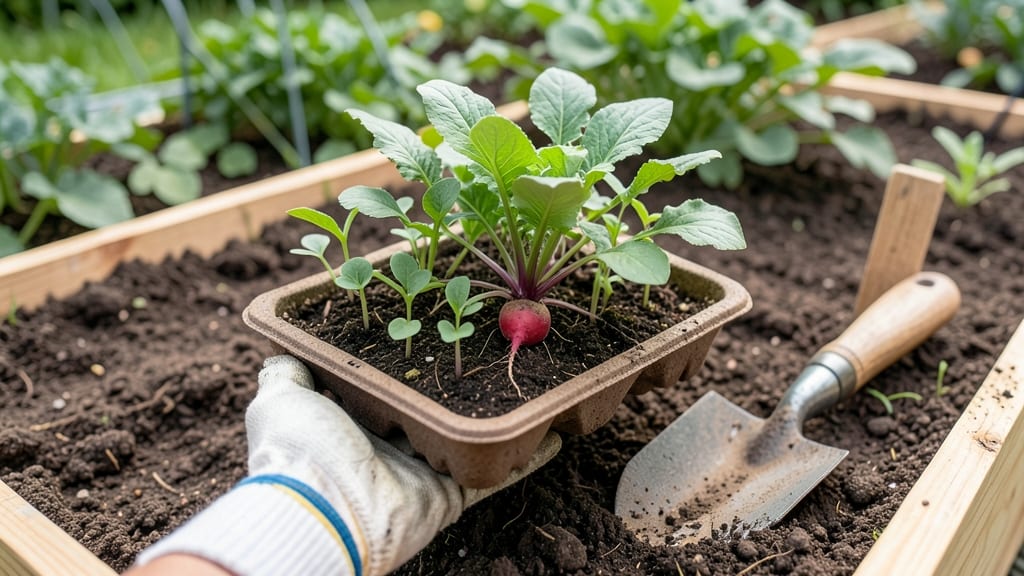
Planting radishes in Arkansas at the right time means the difference between crisp, sweet harvests and bitter, tough roots you’ll regret.
Arkansas gardeners know radishes are one of the fastest-growing vegetables—but planting them at the wrong time can lead to bitter roots or poor yields. Timing is everything for crisp, sweet radishes, and Arkansas’ unique climate demands precise planning to avoid spring heat or fall freezes.
If you’ve ever pulled a radish that’s gone woody or bolted too early, you’re not alone. The key is knowing when to start seeds in late winter to early spring or again in late summer to early fall, so they mature before the heat or frost hits.
With Arkansas’ 7a-8a zones, the window is narrow but doable with the right schedule.
Below, I’ll break down the exact planting months for your region, how to stretch your harvest season, and the best varieties to avoid bolting—so you can enjoy fast, crunchy radishes all year.
Optimal radish planting times in Arkansas: spring vs fall schedule
Arkansas’ USDA Zones 6-8 create a unique challenge for radish growers—spring heat and fall freezes can ruin your crop if you plant at the wrong time. Unlike northern states, Arkansas’ Delta region stays warmer longer, while the Ozarks experience earlier frosts.
Getting the timing right means crisp, sweet radishes instead of bitter, woody roots.
Most Arkansas gardeners focus on two planting windows: early spring and late summer/fall. Spring plantings should start 4-6 weeks before your last frost date (typically mid-February to early March), while fall plantings work best 8-10 weeks before first frost (usually late August to early September).
Soil temperatures below 50°F or above 80°F stress radishes, so timing is everything.
Soil temperature is your best guide—radishes thrive in 55-75°F soil. In Arkansas, this means avoiding April’s heat spikes (which cause bolting) and November’s early frosts (which stunt growth). The Northwest Arkansas mountains may have 2 weeks earlier frost dates than the Delta’s humid lowlands, so adjust accordingly.
Here’s how Arkansas’ three key regions differ in planting schedules:
For spring plantings, aim to harvest before April’s heat (after April 15), when radishes bolt and turn pungent. In the Delta, this means earlier varieties like Cherry Belle (25 days) or French Breakfast (30 days).
In cooler Ozark areas, you can extend spring harvests into late May with shade cloth during peak afternoon heat.
Fall plantings require even more precision. Late August is ideal for Northwest Arkansas, while Central Arkansas can wait until early September.
The Delta’s longer growing season allows mid-September plantings, but watch for early December frosts. Daikon radishes (like Miyashige) tolerate cooler temps better and are a great fall choice.
If you miss the ideal windows, don’t despair—succession planting every 2 weeks in spring and 3 weeks in fall can stretch your harvest. Just avoid planting after June 1 in most of Arkansas, as summer heat will cause radishes to bolt within 10 days.
For heat-tolerant varieties, try French Breakfast or White Icicle, which handle up to 75°F soil temps better than standard types.
One common mistake Arkansas gardeners make is overcrowding seeds to save space. Radishes need 1 inch between plants—sow ½ inch deep in rows 12-18 inches apart for proper airflow. Thin seedlings to 2 inches apart when they’re 1 inch tall to prevent disease and ensure crisp roots.
For container growing, use 5-gallon pots with well-draining mix and plant 4-6 seeds per container. Containers warm up faster in spring, so start them 2 weeks earlier than in-ground plantings. In fall, move containers to protected spots (like near south-facing walls) to delay frost damage.
Remember: Arkansas’ humidity increases disease risks like black rot or powdery mildew. Rotate
How to extend Arkansas radish season: succession planting & cold protection tips
Arkansas gardeners can enjoy radishes year-round with the right strategies. The key to extending your harvest lies in succession planting and cold protection techniques tailored to our unique climate.
By staggering plantings and using protective covers, you can avoid the common pitfalls of spring heat and fall freezes that often ruin radish crops.
Most gardeners focus on spring planting, but Arkansas' mild winters and extended growing season make fall and even winter radishes possible. The trick is knowing when to plant and how to protect young seedlings from unexpected temperature drops.
With these methods, you can harvest crisp radishes from early spring through late fall.
- 1 Spring Planting: Start in late February to early March when soil temps reach 45°F. For continuous harvests, plant every 2-3 weeks until mid-April.
- 2 Fall Planting: Begin in mid-August for a fall harvest. Extend into early October for winter radishes, using row covers for protection.
- 3 Winter Protection: Use floating row covers or cold frames to protect seedlings from below 25°F temps. Remove covers during daytime for ventilation.
For heat-tolerant varieties, consider planting French Breakfast or Cherry Belle radishes in late spring (May) when temperatures begin to rise. These varieties handle slightly warmer soil better than traditional types. Always keep soil moist during germination to prevent bolting, which is common when radishes experience sudden temperature swings.
Another Arkansas-specific tip is to use black plastic mulch in late spring plantings. This warms the soil and extends the growing season by 1-2 weeks. Combine this with drip irrigation to maintain even moisture levels, which is critical for preventing bitter flavors in radishes.
Don't forget about container gardening for late-season extensions. Plant radishes in pots on patios or balconies in October and bring them indoors during cold snaps. This method works particularly well for small varieties like Easter Egg radishes, which thrive in confined spaces.
With these techniques, you can enjoy fresh radishes from March through November—turning your Arkansas garden into a year-round radish production powerhouse! The secret lies in planning ahead and adapting to our ever-changing weather patterns. 🥕