
Plants
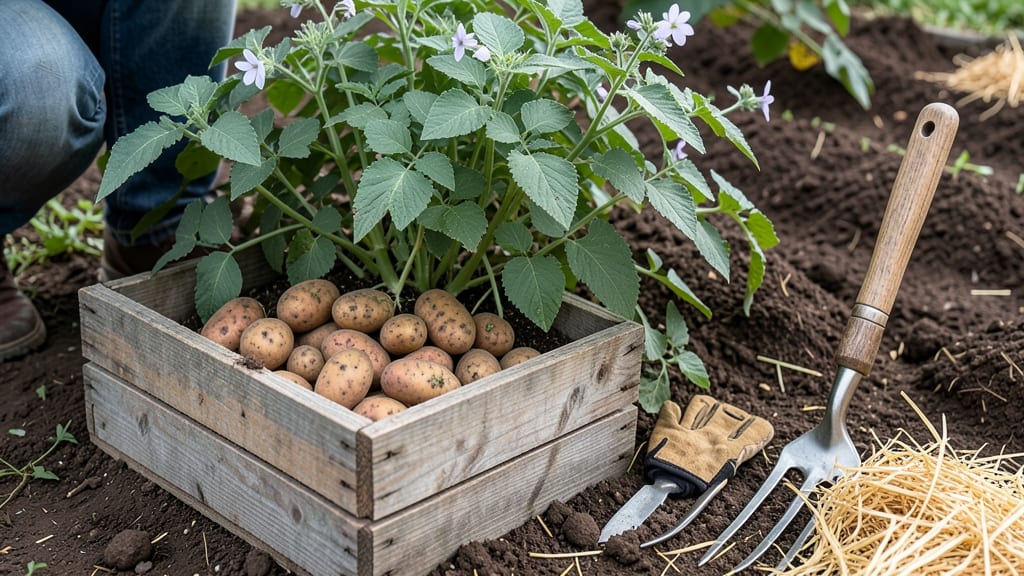
Planting fall potatoes in Virginia means timing them perfectly to avoid frost or rot—mid-August to early September is your best window for Zone 7b’s climate.
Virginia gardeners know timing is everything—plant too early, and your 🥔 harvest risks rotting in the soil; too late, and frost zaps your crop before it matures. The key is locking in 4-6 weeks before your first frost date (usually mid-October in 7b).
This isn’t just about avoiding frost—it’s also about soil warmth. Potatoes need consistent temperatures above 50°F to sprout and grow. In Virginia’s humid summers, late August is ideal for warm soil, while early September still leaves room for tubers to bulk up before winter.
Below, I’ll break down the exact dates for your zone, how to prep soil for a fall crop, and whether you’re growing for harvest or as a cover crop. No more guesswork—just a foolproof plan for your fall potatoes.
Optimal planting dates for fall potatoes in Virginia Zone 7b
Virginia's Zone 7b climate offers a narrow but productive window for growing fall potatoes. The key is planting 4-6 weeks before your first frost, which typically falls around October 15.
This timing allows tubers to mature before winter sets in, while avoiding the rot risk of planting too early when soil temperatures remain warm.
For Zone 7b, your planting window spans from mid-August to early September. This schedule accommodates both early-maturing varieties (70-90 days) and standard varieties (90-120 days). Local microclimates can shift these dates by up to 10 days, so always check your last frost date for precision.
Soil temperature is critical—potatoes thrive when soil stays between 45°F and 75°F. In Virginia's fall, soil cools rapidly after mid-September, which is why late plantings risk stunted growth. Use a soil thermometer to confirm temperatures before planting.
Here's your Zone 7b planting timeline for fall potatoes, broken down by variety type and critical milestones:
Local climate variations can shift these dates. For example, mountainous regions like the Blue Ridge may experience frost 1-2 weeks earlier than coastal areas. Always adjust planting dates based on your specific microclimate and recent weather patterns.
If you're planting late varieties in early September, prioritize frost-tolerant varieties like 'Yukon Gold' or 'Kennebec'. These can handle cooler soils better than delicate types like 'Red Pontiac'. For early plantings in August, focus on fast-maturing varieties such as 'Early Girl' or 'New Potato'.
Soil preparation is equally critical. Virginia's clay-heavy soils benefit from compost amendments to improve drainage. Aim for a pH between 5.0 and 6.5—test your soil before planting. Adding aged manure or compost 2-3 weeks before planting ensures nutrients are available when tubers start forming.
Remember that fall potatoes require consistent moisture but hate soggy soil. Water deeply 2-3 times per week during dry spells, focusing on the root zone. Reduce watering as frost approaches to harden off the tubers and improve storage life.
For gardeners in Zone 7b, the last week of August is your best bet for a reliable harvest. Planting then gives most varieties enough time to mature before frost, while avoiding the heat stress of July plantings or the cool soil risks of September.
Pro tip: Mark your planting dates on a garden calendar and set reminders for hilling (every 2-3 weeks) to protect tubers from light exposure. With the right timing and care, you'll enjoy a bountiful fall potato harvest just as winter approaches! 🥔
How to choose the right potato varieties for Virginia’s fall growing season
Virginia’s Zone 7b climate demands careful potato variety selection for fall planting. With only 90-110 frost-free days after mid-August, your choices directly impact yield and success. Fast-maturing varieties like ‘Yukon Gold’ or ‘Red Norland’ thrive here, while slower growers like ‘Russet’ risk frost damage before harvest.
Disease resistance is critical in Virginia’s humid summers. Look for varieties with blight resistance (e.g., ‘Kennebec’) or scab resistance (e.g., ‘Adirondack Red’). These traits help potatoes mature before fungal pressures peak in late fall.
Yield potential varies too—early varieties produce smaller but consistent harvests, while mid-season types offer bigger tubers if planted early enough.
| Variety | Days to Maturity | Disease Resistance | Yield Potential | Best For |
|---|---|---|---|---|
| Yukon Gold | 70-80 days | Moderate blight | High (buttery tubers) | Early harvest |
| Kennebec | 80-90 days | High blight resistance | Very high (storage) | Mid-season planting |
| Adirondack Red | 75-85 days | Scab resistant | Moderate (red skin) | Humid climates |
| Red Norland | 70-80 days | Good blight tolerance | High (versatile) | Early planting |
| Fingerling Mix | 60-70 days | Low disease pressure | Moderate (unique shapes) | Fast harvest |
For Virginia’s fall season, prioritize varieties that mature in 70-90 days. Plant ‘Yukon Gold’ or ‘Red Norland’ by mid-August for a harvest before first frost (typically October 15). If planting later, choose ‘Fingerlings’—they mature faster and tolerate cooler soils better than larger varieties.
Soil health matters too. Amend beds with compost and well-rotted manure to boost nutrient uptake. Avoid fresh manure—it increases disease risk and can delay maturity. In Zone 7b, aim for 60°F soil temps at planting depth (4-6 inches) to ensure strong early growth before cooler fall nights slow development.
Don’t overlook hilling techniques—they protect tubers from light exposure (which turns them green and toxic) and improve yield. For fall potatoes, hill once in early September and again 2 weeks later to encourage tuber formation before frost.
Mulch with straw to insulate soil and extend the growing window by 1-2 weeks.
If you’re new to fall potatoes, start with ‘Yukon Gold’—it’s forgiving, high-yielding, and adapts well to Virginia’s variable fall weather. For experienced gardeners, ‘Kennebec’ offers superior storage life, ideal if you plan to keep potatoes through winter.
Always rotate crops to prevent soil-borne diseases from building up over seasons.