
Trees
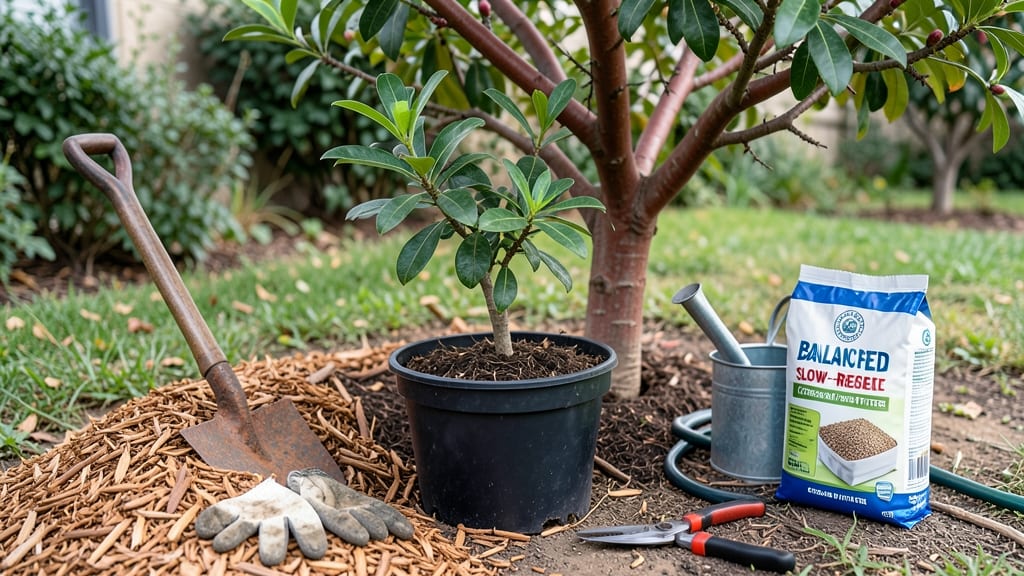
Planting pomegranate trees in California at the right time is the key to avoiding frost damage and ensuring strong root growth before summer heat arrives.
California’s Mediterranean climate makes it a prime spot for pomegranate trees—but timing your planting just right can mean the difference between a thriving fruit-bearing tree and a struggling transplant. With frost-free zones ranging from 9 to 11, knowing the exact window to plant ensures your 🍇 thrives year-round.
For most of the state, the ideal window is late winter to early spring—think February through March—when soil temperatures warm above 60°F and frost risk fades. Coastal areas (zones 9-11) can start as early as February, while inland regions (zones 8-10) should wait until March to avoid late frosts.
Below, I’ll break down the exact frost-free windows by zone, how to prep soil for fast root establishment, and whether container planting buys you extra flexibility. You’ll also learn how to adjust timing for young trees versus established plants—because a 3-foot transplant and a 10-foot veteran need different care.
Optimal planting months for pomegranate trees in California zones 9-11
California’s Mediterranean climate creates perfect conditions for pomegranate trees, but the planting window varies dramatically between USDA Zones 9-11.
In Zone 9 (coastal areas like San Diego), mild winters allow planting as early as late January, while Zone 11 (Palm Springs) can accommodate planting year-round with minimal frost risk. Understanding these differences ensures your tree establishes strong roots before summer heat arrives.
The ideal planting window for most California regions is February through April, aligning with the last frost dates and soil warming trends. However, fall planting (October-November) is also viable in Zones 10-11, giving roots time to settle before winter rains.
Let’s break down the exact months for each zone to maximize your tree’s success.
For Zone 9, late January is the earliest safe date, but wait until soil temperatures consistently reach 60°F (15°C)—coastal areas often experience delayed warming due to ocean breezes.
In Zone 10, the window extends into May, but avoid planting after April 30 to prevent summer heat stress during root establishment. Zone 11 gardeners enjoy the most flexibility, with fall planting (October-November) being ideal for avoiding summer’s intense heat.
If you’re planting in containers, adjust your timeline by 2-4 weeks earlier—potted trees dry out faster and need consistent moisture. Always check the root flare (where roots meet the trunk) to ensure it’s above soil level; buried flares strangle the tree.
For bare-root trees, soak roots in water for 1-2 hours before planting to reduce transplant shock.
One critical mistake is planting too early in Zone 9 without checking soil temperature. Cold soil (below 55°F/13°C) slows root growth and increases disease risk. Use a soil thermometer ($10 at garden centers) to confirm readiness.
In Zone 11, summer planting is possible but requires shade cloth for the first 4-6 weeks to protect young trees from 110°F+ (43°C+) temperatures.
For fruit production, trees planted in early spring (February-March) tend to bear fruit 1-2 years sooner than those planted in fall. This is because spring planting aligns with the tree’s natural growth cycle, allowing it to focus on root and shoot development before flowering.
However, fall-planted trees in Zones 10-11 can still produce fruit the following year if given proper winter care (mulching and reduced watering).
Pro tip: If you’re in a transitional zone (e.g., Zone 9b with occasional frost), opt for dwarf varieties like ‘Wonderful’ or ‘Eversweet’. These mature at 6-10 feet and handle light frost better than standard varieties.
Always mulch heavily (3-4 inches of wood chips) to insulate roots during unexpected cold snaps.
Remember, pomegranate trees are drought-tolerant once established, but young trees (2 years old) need consistent moisture—especially in Zone 11’s intense summers. Water deeply 2-3 times per week for the first 60 days after planting, then taper to weekly deep soaks as temperatures rise.
Avoid overhead watering to prevent fungal diseases like powdery mildew, common in California’s humid coastal zones.
By following these zone-specific guidelines, your pomegranate tree will establish a strong root system and enter its fruit-bearing years faster. Whether you’re in frost-prone Zone 9 or tropical Zone 11, timing your planting correctly is the first step to a bountiful harvest of those juicy, ruby-red arils.
Key factors that determine the best planting time in California
Planting a pomegranate tree in California isn't just about picking a month—it's about reading your local microclimate. While most gardeners focus on the frost-free window, soil temperature, rainfall patterns, and even heatwave risks play equally critical roles in ensuring your tree takes root successfully.
The ideal soil temperature for planting pomegranates is 60°F or warmer.
In California, this typically aligns with late winter to early spring, but coastal areas like San Diego (Zone 10) may see suitable conditions as early as February, while inland Sacramento (Zone 9) might wait until March or April.
🌱Numbered Highlights:
Adjusting for your local microclimate is key—coastal San Diego gardeners can plant as early as February, while inland Fresno may need to wait until April to avoid late frosts. Always check the 7-day forecast before planting to avoid heatwaves or rain, which can stress young roots.
If you're planting a container-grown pomegranate, you have more flexibility—these trees can be planted year-round as long as the soil isn’t frozen or waterlogged. However, bare-root trees must be planted during their dormant season (November–February) to minimize transplant shock.
🌿 For coastal California, aim for February–March planting when soil temperatures are ideal and rainfall is consistent. Inland areas should target April–May or October–November to avoid extreme heat or cold snaps that can stunt growth.