Plants
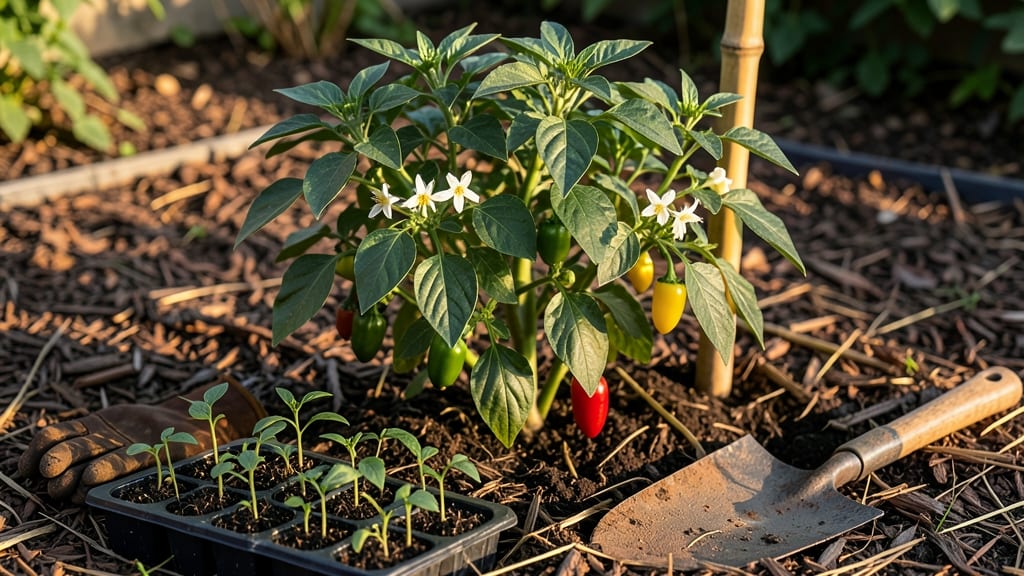
Planting peppers in Alabama after the last frost is your best bet for a bumper harvest 🌶️ — but miss the window, and you’ll either lose seedlings to cold or watch your plants bolt in the heat.
Alabama’s long summers are perfect for growing peppers, but timing is everything. Plant too early, and frost will kill your seedlings; too late, and you’ll miss the harvest window. Here’s your precise frost-free planting schedule for Alabama’s zones, plus variety-specific tips to maximize your yield.
Most of the state falls in USDA zones 7b-8b, where the last frost typically hits in mid-March. That means your ideal transplant window opens in mid-April for bell peppers and early June for hot varieties like jalapeños and cayennes.
Below, I break down the exact dates by zone, the soil temperature you need to check before planting, and how to stretch your harvest with a fall planting. Ready to grow?
Alabama pepper planting timeline by USDA hardiness zones (7a-8b)
Alabama’s USDA zones 7a-8b offer a long growing season perfect for peppers, but your exact planting window depends on whether you’re in the cooler north or warmer south. In Zone 7a (north Alabama), last frosts average mid-April, while Zone 8b (south Alabama) rarely sees frost after mid-March.
This means your transplant deadline shifts by weeks—miss it, and you’ll sacrifice yield or face pest pressure.
Peppers thrive in warm soil (60°F+) and need 60-90 days to mature, so timing is critical. Start seeds indoors 6-8 weeks before your last frost date, or buy sturdy transplants from local nurseries after May 1.
For fall harvests, aim for late July transplants to beat early winter chills.
For bell peppers, which need 75-90 days to mature, stick to the earlier transplant windows in Zone 7a. Jalapeños and cayennes, faster at 60-75 days, give you flexibility for succession planting every 2-3 weeks after your zone’s deadline.
In Zone 8b, you can even squeeze in a third crop by planting hot peppers in late July for a fall harvest.
Hardening off seedlings is non-negotiable in Alabama’s humid climate. Acclimate transplants to outdoor conditions over 7-10 days before planting, especially in Zone 7a, where morning frosts can linger. Use black plastic mulch to warm soil faster and retain moisture—critical for slow-starting seedlings in cooler zones.
Pro tip: Monitor soil temperature with a thermometer. Peppers won’t thrive until it hits 60°F, even if air temps feel warm. In Zone 7a, wait until late May if early soil stays cool.
For container gardening, use heat-resistant pots and move them to shaded areas during peak summer heat to prevent stress.
Alabama’s humidity and heat can stress peppers, so prune lower leaves to improve airflow and reduce disease risk.
In Zone 8b, watch for aphids and spider mites—spray plants with neem oil at first sign of infestation. Drip irrigation keeps foliage dry, cutting down on fungal issues like anthracnose, common in Alabama’s wet summers.
Don’t overlook fall planting for a second harvest. In Zone 7a, plant cold-tolerant varieties like ‘Carolina Wonder’ by August 15 for peppers to ripen before frost. In Zone 8b, extend your season until October 1 with row covers to protect tender plants.
This strategy doubles your harvest yield and saves money at the grocery store.
If you’re new to Alabama gardening, start small with 2-3 pepper plants to test your zone’s conditions. Track your first frost dates for 2-3
Best pepper varieties for Alabama’s climate & when to start seeds indoors
Alabama’s hot summers and short growing season demand pepper varieties that balance heat tolerance with quick maturity. Whether you’re growing bell peppers, jalapeños, or cayenne, timing your seed-starting indoors is key to avoiding frost damage while maximizing harvests before fall.
Most Alabama gardeners should begin seeds 6-8 weeks before their last frost date (typically mid-March for Zone 7a and early March for Zone 8b).
For spring harvests, aim to transplant seedlings into the garden after May 15 in northern Alabama or April 15 in southern regions. If you’re targeting a fall harvest, start seeds in July for transplanting in late July to August.
This two-season approach ensures peppers thrive year-round in Alabama’s climate.
Indoor Seed-Starting Schedule for Alabama Peppers
PROS
- Early start avoids frost risks
- Longer growing season for heat-loving varieties
- Controlled conditions prevent disease
- 6-8 weeks indoors = stronger seedlings
CONS
- Requires grow lights for 12-14 hours/day
- Overcrowding risks if not thinned
- Damping-off from excess moisture
- Late transplant shock if soil isn’t warm enough
Key Timing Tips
- Zone 7a (North AL): Start seeds Feb 15–March 1 for spring
- Zone 8b (South AL): Start seeds Jan 15–Feb 15 for spring
- Soil temp check: Wait until 60°F+ to transplant
- Fall planting: Start seeds July 1–15 for harvests
Choose heat-tolerant varieties like ‘Jupiter’ (bell pepper) or ‘Carolina Wonder’ (jalapeño) for Alabama’s 90°F+ summers. These varieties handle humidity and heat better than traditional types.
For early harvests, opt for ‘Early California Wonder’ (60 days) or ‘Lunchbox’ (55 days), which mature before the heat peaks. Cold-hardy options like ‘Arkansas Traveler’ (bell pepper) can tolerate brief dips to 50°F, making them ideal for Alabama’s unpredictable spring frosts.
When starting seeds indoors, use seedling trays with well-draining mix and grow lights to prevent leggy seedlings. Harden off seedlings for 7-10 days before transplanting by gradually exposing them to outdoor conditions.
Plant in full sun with 18–24 inches between plants to ensure airflow and reduce disease risk. Mulch with straw or black plastic to retain soil moisture and regulate temperature.
Alabama’s humid climate can lead to fungal issues, so avoid overhead watering and space plants properly. Succession planting every 2 weeks after your initial transplant date extends your harvest window.
For fall harvests, plant slow-maturing varieties like ‘NuMex Sandia’ (jalapeño) in late July to enjoy peppers into November. With the right timing and varieties, you’ll enjoy homegrown peppers from June through October—or even later with fall plantings!