
Plants
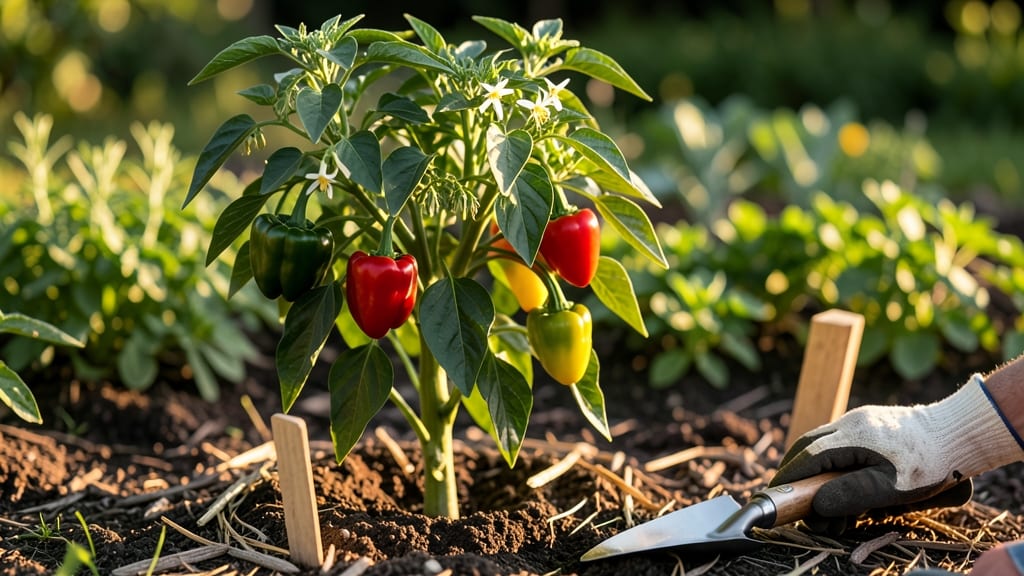
Planting peppers in Illinois after the last frost—typically around April 15 to May 31—sets the stage for a thriving harvest, but timing is everything.
Picture this: You’ve nurtured your seedlings for weeks, only for a late frost to wipe them out, or you wait too long and the season shrinks your yield.
In USDA Zones 5b-6a, where temperatures swing wildly, getting the window right means the difference between a garden full of 🌶️ and a few sad pods.
Peppers need warmth to thrive—soil temps should hit at least 60°F—and while southern Illinois might be ready by mid-April, northern areas often wait until June. Microclimates, like urban heat islands or rural frost pockets, can shift your timeline by weeks.
Here’s what you’ll learn: the exact frost dates for your region, how to start seeds early indoors, and the best pepper varieties for Illinois’ short season—plus tricks to stretch your harvest into October.
Illinois pepper planting timeline: frost dates, soil temps, and last chance deadlines
Peppers are heat-loving plants that thrive in Illinois' warm summers, but getting them in the ground at the right time is crucial. In USDA Zones 5b-6a, the window between last frost and first frost is tight—just 165 frost-free days on average.
Plant too early, and a late frost will kill tender seedlings; plant too late, and your harvest shrinks before fall's chill sets in.
Most Illinois gardeners start peppers indoors 8-10 weeks before transplanting to maximize their short growing season. For direct sowing outdoors, wait until soil temperatures hit at least 70°F—cold soil stunts pepper growth and delays fruiting.
This usually aligns with late May to early June in most of Illinois, but your exact timing depends on your local microclimate.
Here’s a quick-reference table for Illinois pepper planting, including last frost dates, ideal soil temps, and last-chance deadlines for Chicago, Springfield, and Peoria. Adjust these dates by 1-2 weeks based on your elevation, proximity to lakes, or urban heat islands.
For transplants, start seeds indoors 8-10 weeks before your last frost date. In Chicago, that means mid-February to early March, while Peoria gardeners should begin late February.
Use grow lights or a sunny windowsill to prevent leggy seedlings. Harden off seedlings for 7-10 days before transplanting to avoid shock.
If you’re direct sowing seeds outdoors, wait until soil temps are consistently above 70°F—this usually happens in late May to early June. Use black plastic mulch to warm the soil faster and deter weeds.
Plant seeds ½ inch deep and 12–18 inches apart, depending on the variety. Thin seedlings to 18–24 inches apart for optimal air circulation.
Don’t panic if you miss the ideal window! Succession planting can still yield peppers. In southern Illinois (Zone 6a), you might squeeze in one more planting by July 1 for a late harvest.
Choose fast-maturing varieties like 'Early Cal Wonder' (60 days) or 'Jupiter' (65 days) to maximize your chances. For northern Illinois, focus on transplants only and protect them with row covers if frost threatens.
Microclimates play a huge role in Illinois. Urban areas like Chicago’s heat islands may allow peppers to thrive 2 weeks earlier than rural spots. Conversely, low-lying areas or near large bodies of water can delay warm-up by 1-2 weeks.
To adjust, monitor your local Almanac frost predictions or use a minimum-maximum thermometer to track your garden’s unique conditions.
Pro tip: Use a floating row cover to extend your planting window by 2-3 weeks. These lightweight fabrics raise soil temps by 5–8°F and protect seedlings from late frosts.
Remove covers once peppers are established (after 4–6 weeks) to prevent heat stress. Pair this with mulch to retain moisture and keep roots cool during Illinois’ humid summers.
Remember, peppers need full sun (6–8+ hours daily) and well-draining soil with a pH of 6.0–6.8. Amend heavy clay soil with compost or sand to improve drainage. If your soil is too cold, try warming it with black plastic or a cold frame for early starts.
With the right timing and care, you’ll enjoy homegrown peppers from July through October—just in time for salsa season!
🌱
How to extend Illinois pepper growing season: cold frames, row covers, and succession planting
Peppers are heat-lovers, and Illinois' short growing season can feel like a challenge. But with the right tools, you can push your harvest window by 4-6 weeks on either end.
I've learned that floating row covers and cold frames create microclimates that protect tender seedlings while succession planting ensures continuous production. The key is combining these methods strategically.
For early starts, I use cold frames to begin sowing seeds indoors by March 1st, giving me a head start before transplanting outdoors after the last frost. This extra time lets heat-loving peppers establish roots before Illinois' summer heat arrives.
Meanwhile, floating row covers extend the fall harvest by trapping warmth and protecting plants from early frosts.
Here's a direct comparison of organic vs. synthetic row covers to help you choose what works best for your garden:
Organic Row Covers (Fabric)
- Breathable for plants
- Reusable for 3-5 years
- Allows some light penetration
- Biodegradable option available
- Less durable than synthetic
- Can tear from wind
- Heavier when wet
- Limited UV protection
Synthetic Row Covers (Plastic)
- Lightweight and wind-resistant
- Longer lifespan (5+ years)
- Better UV protection
- More affordable per season
- Less breathable (risk of overheating)
- Non-biodegradable
- Can trap too much moisture
- Less flexible in wind
I recommend using organic fabric covers for spring planting when you need breathability, while synthetic covers work better for fall protection when you need durability against wind and rain.
For my succession planting strategy, I make 3-4 plantings every 2 weeks from late May through July. This ensures a continuous harvest instead of one big flush.
Cold frames are my secret weapon for early starts. I fill them with compost-rich soil and place them in full sun. By April 1st, I can have pepper seedlings ready to transplant outdoors by Memorial Day.
The cold frame creates a 10-15°F warmer environment than outside temperatures, which is crucial for peppers that need soil temps above 60°F to germinate.
For fall extension, I use floating row covers combined with black plastic mulch. This combo raises soil temperatures by 5-8°F and protects plants until mid-October in most of Illinois. I've successfully grown Jupiter peppers this way, harvesting sweet peppers when most gardens have already shut down.
Remember to ventilate your row covers during heatwaves to prevent overheating. And always remove them during pollination to allow bees access. With these techniques, I've extended my pepper season from 6 weeks to nearly 5 months—giving me fresh peppers from June through October! 🌱