Plants
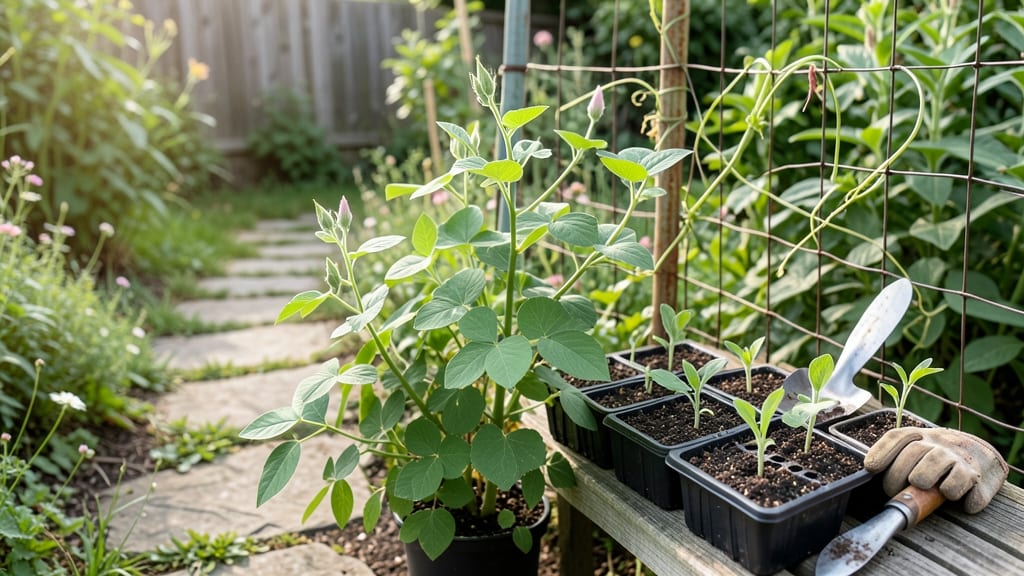
Planting peas in Southern California works best from October through March, when cool winter temperatures keep them thriving—skip the summer heat, or you’ll end up with bitter, stunted pods.
Southern California’s mild winters create the perfect window for growing sweet, tender peas—but timing is everything to avoid heat stress or bolting. Learn the exact planting schedule, soil prep secrets, and variety recommendations to maximize your harvest in SoCal’s unique climate.
Most gardeners here plant in fall (October–November) and again in winter (January–February), aligning with the region’s natural rainfall and cooler temps. Coastal areas can even squeeze in a late-spring planting, but inland zones should stop by March to dodge the desert-like heat.
Below, I’ll cover the best months by microclimate, how to prep your soil for peak pea growth, and which varieties hold up best in SoCal’s unpredictable winters. Ready to grow your own sweet harvest?
Best planting months for peas in Southern California’s climate zones
Southern California’s mild winters and microclimates create ideal conditions for growing sweet peas, but timing is critical. The cool-season crop thrives between 50°F and 75°F, making fall and winter the perfect planting windows.
Avoid summer heat, which causes bolting or poor pod development. Let’s break down the best months for each SoCal region—coastal, inland, and desert—to maximize your harvest.
Peas are frost-tolerant but struggle when soil temperatures exceed 80°F. Southern California’s USDA zones 9b-11 mean frost is rare, but inland valleys can experience light frosts in winter.
Coastal areas stay milder year-round, while desert regions face hotter days and cooler nights. Understanding these differences ensures your peas grow strong roots and plump pods.
Peas need consistent moisture and cool temperatures to thrive. Planting too early in September risks heat stress, while waiting until April may mean bolting before harvest. The two best windows are September–November (fall) and January–February (winter). Let’s explore the ideal schedule for each SoCal microclimate.
Here’s a quick reference for planting peas across Southern California’s regions, including soil temperature, frost risk, and harvest windows:
| Region | Best Planting Months | Soil Temp Range (°F) | Frost Risk | Harvest Window |
|---|---|---|---|---|
| Coastal (LA, San Diego) | September–November, January–February | 55–70°F | Low (rare) | October–April |
| Inland Empire (Riverside, San Bernardino) | September–October, January–February | 50–65°F | Moderate (light frosts) | November–March |
| Desert (Palm Springs, Joshua Tree) | October–November, January | 45–60°F | High (possible light frost) | December–February |
Coastal regions like Los Angeles and San Diego offer the longest growing season for peas, thanks to mild winters. Plant in late September for a fall harvest or January for a spring crop. Soil temperatures stay ideal for root development and pod filling, and frost is extremely rare. Use trellises to save space and improve airflow, reducing disease risk.
In the Inland Empire, where nights get cooler but days can warm up quickly, focus on early fall (September–October) and late winter (January–February) plantings. Light frosts may occur, but peas tolerate 32°F without damage. Mulch heavily to protect roots and retain moisture, especially in dry valleys like Riverside.
The desert regions of Southern California, including Palm Springs and Joshua Tree, present unique challenges. Plant peas in October–November or January to avoid summer heat. Nights can drop below 40°F, but days may still reach 70°F.
Use shade cloth in late winter if temperatures rise too quickly, and choose dwarf varieties like Sugar Ann for easier management.
For all regions, soil preparation is key. Peas thrive in well-draining soil with a pH of 6.0–7.0. Mix in compost or aged manure before planting to improve fertility. Avoid fresh manure, which can burn tender roots. Plant seeds <
How to extend pea growing season in Southern California’s heat
Southern California’s summer heat can quickly turn your pea plants into wilted, bitter failures—but with the right strategies, you can beat the drought and enjoy fresh peas well into late spring. The key is proactive cooling, smart watering, and strategic companions that work together to protect your plants.
Let’s dive into my top methods for keeping your peas thriving when temperatures rise.
First, shade cloth is your best friend during SoCal’s April-May heat spikes. A 30-50% shade cloth reduces soil and air temperatures by 10-15°F, preventing bolting (when peas flower prematurely).
Install it early—once daytime temps hit 75°F consistently. Pair it with drip irrigation to keep roots cool without stressing the plants.
Here’s how I extend my pea season using proven techniques:
- 1
- 2
- 3
- 4
Companion planting is a game-changer for SoCal gardeners. I always interplant peas with lettuce or radishes—their leafy canopies keep the soil cooler and suppress weeds.
Radishes, in particular, maturity quickly (30 days!) and can be harvested before they shade out your peas. Plus, their pungent aroma deters pests like pea weevils.
For late-summer succession planting, focus on short-season varieties like Dwarf Sugar Peas, which mature in 55-60 days. Sow seeds in August under light shade cloth (20-30%) and use mulch to retain moisture.
This trick lets me harvest peas in October-November, just as winter squash and kale take over the garden.
Finally, mulching with straw or wood chips is non-negotiable. A 3-inch layer keeps soil temps 5-10°F cooler and locks in moisture for weeks. I top-dress my pea beds in early April and reapply after heavy rains.
Combine this with drip irrigation, and your peas will stay crisp and sweet even as temps climb.
With these strategies, I’ve pushed my pea harvest from March to November—proving that SoCal’s heat doesn’t have to mean the end of your pea season.
Try one or two of these tips this year, and you’ll be rewarded with pods bursting with flavor long after most gardeners have given up. 🌱