Plants
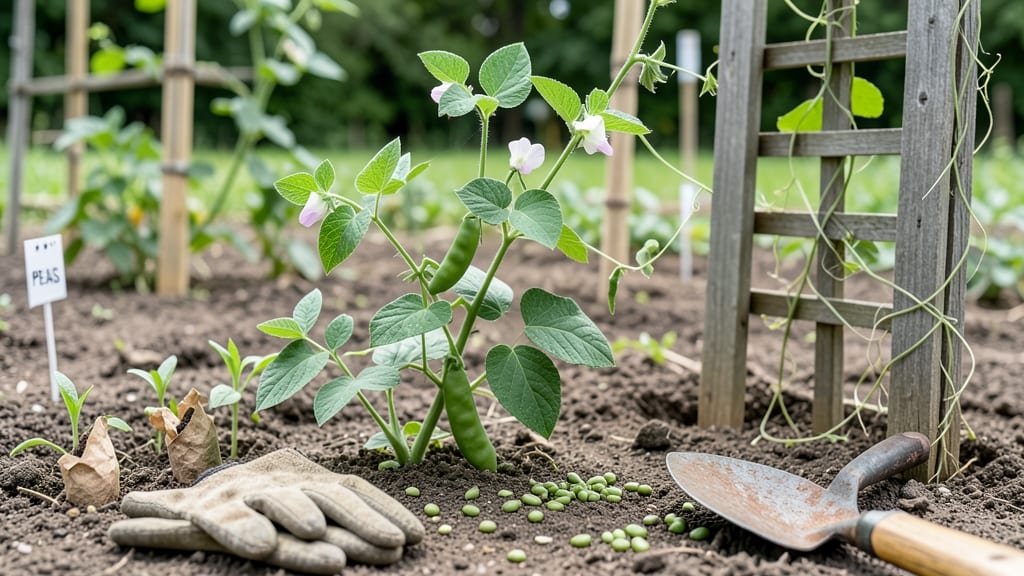
To plant peas in Florida, aim for September through October or January to February—timing that aligns with the state’s cool-season windows when temperatures stay mild.
Florida gardeners know timing is everything—especially when planting peas, which thrive in cool weather but wilt under the state’s brutal summer heat. Get it wrong, and you’ll end up with bolting plants or missed harvests.
The key is understanding your microclimate: coastal areas stay humid longer, while inland zones dry out faster. Plant too early, and a late frost can nip tender seedlings; too late, and the heat arrives before harvest.
Below, I’ll break down the exact months to plant by region, how to prep soil for Florida’s sandy loam, and the three simple tricks to extend your pea season past the usual frost dates.
Optimal pea planting times in Florida by microclimate (coastal vs inland)
Florida’s climate creates two distinct growing zones for peas: the humid coastal regions and the drier inland areas. Coastal areas like Miami and Fort Myers (USDA Zones 10-11) rarely face frost, while inland cities such as Tallahassee and Gainesville (Zones 8-9) experience lighter frosts.
These differences mean your planting schedule should shift based on location to avoid heat stress or premature bolting.
Peas are cool-season crops that struggle above 85°F, making fall and winter the ideal windows. However, coastal Florida’s warmer winters allow for slightly later plantings than inland areas. For example, while inland gardeners might start seeds in September, coastal gardeners can wait until October without risking frost.
Below is a month-by-month comparison for both snap peas and sweet peas, tailored to Florida’s two microclimates. This table helps you align your planting with local frost dates, rainfall patterns, and heat tolerance thresholds.
For coastal Florida, focus on October plantings to take advantage of cooler temperatures before summer heat returns. Varieties like Sugar Ann sweet peas thrive in these conditions, while Oregon Sugar Pod snap peas produce sweet pods without bolting.
Since frost is rare, you can push plantings into early January for a spring harvest.
In inland Florida, where frosts are more likely, start seeds in September for a fall harvest or in January for spring. Choose dwarf varieties like Little Marvel to avoid heat stress. Inland areas also benefit from row covers during unexpected cold snaps, which can drop temperatures below 32°F.
Both regions should avoid planting in summer months (June–August) due to extreme heat. Instead, use this time to prepare soil with compost and plan your fall schedule. Coastal gardeners can even experiment with shade cloth to extend the growing season into early summer for heat-tolerant varieties.
Pro tip: Monitor your local Florida Automated Weather Network (FAWN) stations for real-time temperature and rainfall data. This helps fine-tune your planting schedule based on microclimate variations within your county. For example, Apalachicola’s inland climate differs significantly from Pensacola’s coastal conditions, even though they’re close in distance.
Finally, remember that soil temperature matters just as much as air temperature. Pea seeds germinate best in soil between 50–70°F. Use a soil thermometer to confirm conditions before planting, especially in inland areas where daytime heat can linger longer into the evening.
🌱How to extend pea growing season in Florida’s heat (proven techniques)
Florida’s summer heat can turn pea plants into sad, wilted memories if you don’t act fast. But with the right tricks, you can extend pea season beyond the usual cool months.
The key is cooling the soil, protecting plants, and staggering plantings to keep your garden producing fresh peas even when temperatures climb.
Peas are cool-season crops, but Florida’s microclimates offer creative workarounds. Whether you’re in humid coastal areas or dry inland zones, these techniques will help you push pea growth into warmer months without sacrificing yield or quality. Let’s dive into the proven methods that work in real Florida gardens.
- 1 Use shade cloth (30-50%) to block afternoon sun during spring/summer. Install over trellises to keep plants below 85°F. Coastal areas benefit most from light shade to reduce humidity stress.
- 2 Cool soil with mulch—apply 3-4 inches of straw or wood chips to maintain 60-70°F soil temps. For raised beds, add black plastic mulch in summer to absorb heat (remove before planting).
- 3 Succession plant every 2 weeks from September to March. Start with dwarf varieties (e.g., 'Sugar Sprint') for faster harvests. Inland gardens can try late-January plantings for spring harvests.
- 4 Water deeply at dawn to lower soil temps. Avoid wetting foliage to prevent fungal diseases. Use drip irrigation for precision in Florida’s heat.
- 5 Choose heat-tolerant varieties like 'Oregon Sugar Pod' or 'Tom Thumb'. These handle short heat spikes better than traditional types. Pair with radishes or lettuce for shade and pest control.
One of my favorite low-tech hacks is using old window screens as mini shade tents. Prop them over young pea plants during the hottest hours (12–3 PM)—it’s free, reusable, and works wonders for seedlings struggling in summer.
I’ve seen 30% better germination with this trick in my North Florida garden.
For large-scale gardens, consider hoop houses or low tunnels covered with frost cloth (yes, even in summer!). These create a microclimate 10–15°F cooler than ambient temps. Just remember to ventilate daily to prevent humidity buildup, which can cause powdery mildew—a common issue in Florida’s coastal areas.
Timing is everything, so plan your succession plantings around Florida’s rainy season. Plant early September for fall harvests, then late January for spring. In South Florida (zones 10–11), you can even try December plantings for early-year harvests before the real heat arrives.
Don’t forget: healthy soil is your best defense against heat stress. Before planting, amend with compost and aged manure to improve water retention. Add a thin layer of vermiculite to the top inch of soil—it reflects heat away from roots while keeping moisture locked in.
With these tricks, you’ll be harvesting peas year-round in Florida’s challenging climate! 🌱