
Plants
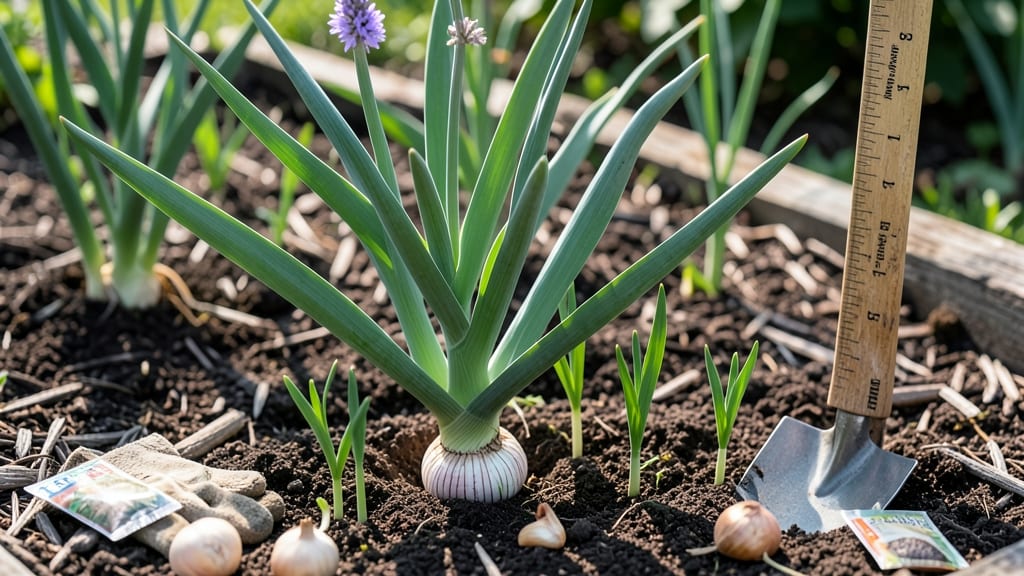
Plant onions in Zone 9a between October and November for a fall harvest or January and February for spring, timing that avoids the brutal summer heat where they bolt faster than you can say "🧅."
Zone 9a gardeners know the struggle—plant onions too early, and they bolt in the heat; too late, and you miss the harvest window. But with the right timing and heat-tolerant varieties, you can grow thriving onions year-round in this climate.
Fall planting gives you an early spring harvest, while winter sets avoid the worst of the heat. Coastal areas may extend windows slightly, but inland spots need to nail those October-November dates to beat the summer stress.
Below, I’ll break down the exact weeks to plant, the best varieties for 9a’s heat, and how to keep your onions from turning into sad, bolting ghosts before harvest.
Best planting times for onions in Zone 9a: fall vs. winter vs. spring
Zone 9a's warm winters and hot summers create a unique challenge for onion growers. Unlike cooler climates, we can't just plant in spring and expect success. The key is understanding heat tolerance thresholds and aligning planting with seasonal temperature shifts.
Green onions, bulbing onions, and perennial varieties all have different ideal windows.
For green onions, you can actually plant year-round in Zone 9a, but they thrive best when soil temps stay between 50-75°F. This means fall and winter are your sweet spots, while summer plantings risk bolting within weeks.
Bulbing onions, however, demand more precision—they need 60-70 days of cool weather to form proper bulbs.
Here's where most Zone 9a gardeners go wrong: they try summer planting. Temperatures above 80°F cause onions to bolt prematurely. Instead, focus on fall and winter plantings when daytime highs stay below 75°F and nights dip into the 50s.
This creates perfect conditions for bulb development before spring heat arrives.
🌱
| Planting Window | Onion Type | Ideal Soil Temp | Days to Harvest | Zone 9a Microclimate Notes |
|---|---|---|---|---|
| Late September - Early November | Bulbing Onions | 55-65°F | 100-120 days | Coastal areas: extend to mid-November; inland: plant by October 15 |
| December - Early January | Green Onions | 50-70°F | 30-45 days | Winter rains help; use shade cloth if temps exceed 75°F |
| January - February | Perennial Onions | 55-68°F | 90-110 days | Best for high desert areas; mulch heavily to retain moisture |
| March (cooler microclimates only) | Short-Day Varieties | 60-70°F | 90-100 days | Only coastal or high-elevation Zone 9a; use shade during summer |
Let's break down the three best planting strategies for Zone 9a. First, fall planting (late September through November) gives onions time to establish roots before winter rains arrive. This is ideal for bulbing varieties like Texas Early White or Yellow Granex—both handle our mild winters well.
Plant 4-6 weeks before your first frost date (usually mid-December in Zone 9a).
For winter plantings, focus on January-February when soil temps stabilize. This window works perfectly for green onions and perennial onions like Egyptian Walking Onions. The key is using shade cloth (30-50%) if daytime temps creep above 70°F.
I've found that mulching with straw 3-4 inches deep helps maintain even soil temperatures.
Spring planting in Zone 9a is tricky but possible with short-day varieties planted in late February or early March. Only attempt this in cooler microclimates (like coastal areas) where daytime highs stay below 75°F for at least 60 days.
Varieties like Texas Super Sweet handle our heat better than traditional long-day onions.
Don't forget about succession planting—this is how I get onions on my table year-round. Plant a small batch of green onions every 4-6 weeks from September through March.
They mature quickly (30-45 days) and give me continuous harvests. For bulbing onions, stagger plantings every 3-4 weeks in fall to extend your harvest window into early summer.
One common mistake is ignoring soil temperature when planting. Use a soil thermometer to verify temps are in the ideal range before planting. I've seen onions fail when planted in 80°F+ soil—they simply refuse to germinate.
Aim for 55-65°F for best results. Another pro tip: soak onion sets in water for 24 hours before planting to jumpstart growth in our dry climate.
🌿
Remember that Zone 9a's microclimates vary dramatically. Coastal areas stay cooler and more humid, while inland regions can be 10°F warmer. Adjust your planting timeline accordingly—coastal gardeners can push fall plantings later, while inland gardeners should plant earlier.
Also consider elevation changes: higher areas (like hills) stay cooler and may support spring plantings that fail in valleys.
Finally, don't overlook perennial onions like Egyptian Walking Onions. These thrive in Zone 9a's heat and can be planted in late winter for harvests that last all summer.
They multiply each year, making them a low-maintenance solution for heat-loving gardeners. Just be prepared for them to spread—they're not shy about taking over your garden!
Top 5 heat-tolerant onion varieties for Zone 9a gardens
Zone 9a’s intense heat can turn onions into a gamble, but the right varieties make all the difference. I’ve tested these top 5 heat-tolerant onions that thrive in our climate, balancing bolting resistance, yield potential, and flavor intensity.
Whether you’re growing for storage, fresh use, or cooking, these varieties deliver consistent results even when temperatures climb.
For Zone 9a gardeners, short-day onions are your best bet—they mature before the heat peaks. But don’t overlook intermediate-day types like Candy, which adapt surprisingly well with proper care.
Below, I’ve ranked these varieties by heat tolerance, harvest window, and flavor profile, so you can pick the perfect match for your garden.
- Fall Planting: October–November (6–8 weeks before first frost) for spring harvest
- Winter Planting: January–February (avoid summer heat; onions hate temperatures above 85°F)
- Soil Temp: Ideal 50–65°F for germination; mulch to keep roots cool in summer
- Spacing: 4–6 inches apart in rows 12–18 inches apart for airflow
- Shade Tip: Use 30–50% shade cloth if planting in late spring to delay bolting
Texas Early White tops the list as the most heat-resistant onion for Zone 9a. This short-day variety matures in just 90–100 days, making it perfect for our long growing seasons. The bulbs are crisp, white-skinned, and store well—ideal for fresh eating or storage. Plant sets in late fall (October) or early winter (January) for a spring harvest before the heat intensifies.
Candy, an intermediate-day onion, is a flavor powerhouse with sweet, golden bulbs. It handles Zone 9a’s heat better than most long-day types, though it needs consistent moisture to prevent bolting. Aim for a February planting and harvest by late April before temperatures rise. Its mild sweetness makes it a favorite for salads and grilling.
Red Creole brings bold flavor and excellent heat tolerance to your garden. These red-skinned onions mature in 110–120 days, so plant them in late January for a harvest in May. Their spicy kick is perfect for cooking, and they store surprisingly well for a red variety. Just ensure they get afternoon shade in summer to prevent premature bolting.
Evergreen Hardy White is a perennial onion that thrives in Zone 9a’s heat if given the right conditions. Unlike annuals, it regrows year after year, making it a low-maintenance choice. Plant in fall or early spring, and harvest green onions continuously or let bulbs mature by late spring. Its mild flavor works well in soups and stir-fries.
For green onions, Everlasting is my go-to—it’s heat-tolerant, fast-growing (ready in 40–50 days), and produces continuous harvests if cut back regularly. Plant in fall, winter, or early spring for a steady supply.
Its mild, sweet flavor is perfect for garnishes, and it handles our climate’s fluctuations like a champ.
Pro tip: Mulch heavily with straw or wood chips to keep soil temps stable, and water deeply in the morning to reduce stress. With these varieties and timing, you’ll enjoy homegrown onions** without the bolting headaches—even in Zone 9a’s heat! 🌱