
Plants
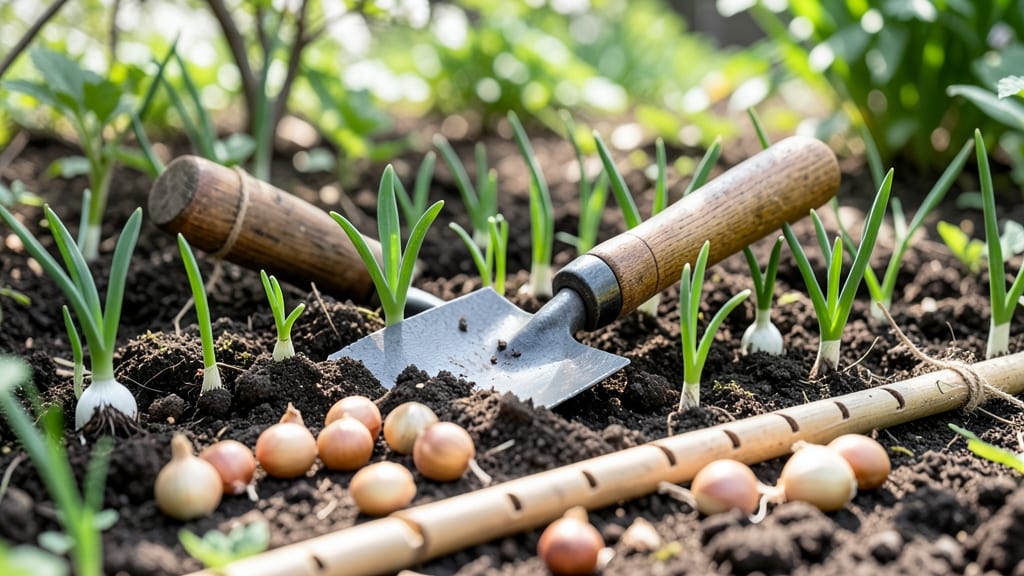
Planting onion bulbs in Zone 8b at the right time means the difference between a thriving harvest and wasted effort—yet many gardeners still guess. 🧅 The key is timing: fall or early spring, when soil temps and frost risk align perfectly for bulb development.
If you’ve ever planted onions too early and watched them bolt in the heat or too late and have them rot in cold soil, you know how critical this window is.
In Zone 8b, where mild winters and warm springs create a unique growing challenge, getting it wrong can mean losing your entire crop.
Below, I’ll break down the exact months to plant for zero frost risk, whether you’re growing short-day or long-day varieties, and how to adjust for your local microclimate. No more second-guessing—just a foolproof plan for bulbs that mature strong and store well.
You’ll also learn how to extend your harvest with staggered plantings, the best onion types for Zone 8b’s climate, and simple care tips to keep your onions thriving from soil to table.
Zone 8b onion planting calendar: exact months to avoid frost damage
In Zone 8b, where winters are mild but still carry frost risk, timing your onion bulb planting is everything. Unlike colder zones, you can't just plant in spring—fall planting is equally critical for avoiding frost damage and maximizing bulb development.
The key lies in understanding your region's frost dates (typically December 15 to January 15) and soil temperature thresholds.
Zone 8b gardeners have two prime planting windows: fall (October-November) for overwintering bulbs and early spring (February-March) for spring harvests. Each approach requires different soil temperature considerations—fall plantings need soil above 50°F to establish roots before dormancy, while spring plantings thrive when soil warms to 55°F+.
Here's the exact planting calendar that aligns with Zone 8b's microclimates, accounting for both short-day and long-day onion varieties that respond differently to daylight changes:
For fall planting, prioritize short-day onions (like Texas Early White) which mature quickly before winter sets in. These varieties thrive when planted 4-6 weeks before frost, typically by mid-October.
Long-day onions (Yellow Granex) can handle slightly later fall plantings but require warmer soil (55°F+) to avoid rot.
Spring planting in Zone 8b offers flexibility for long-day varieties that need longer daylight to bulb properly. Aim to plant by mid-March when soil temperatures consistently stay above 55°F. This timing ensures bulbs have 90-120 days of growth before summer heat stress peaks in June-July.
One common mistake in Zone 8b is planting onion sets too early in spring (before February 15) when soil remains cool. This delays growth and increases bolt risk (premature flowering). Always check soil temperature with a soil thermometer—55°F+ is non-negotiable for healthy bulb formation.
Microclimates in Zone 8b can vary dramatically—urban areas may experience earlier frosts than rural zones. If you're in a cooler microclimate, shift your fall planting to early October and use black plastic mulch to warm soil faster. Conversely, warmer microclimates can extend fall planting to November 1.
Remember that onion bulbs planted in Zone 8b after November 15 risk frost damage to emerging shoots in winter. The solution? Use row covers or plant in protected beds with 3-4 inches of mulch to insulate roots. This simple step can add 2-3 weeks of frost protection.
For gardeners in Zone 8b with heavy clay soil, amend beds with compost
How to extend your onion harvest in Zone 8b: successive planting strategies
Zone 8b gardeners can enjoy fresh onions year-round with the right successive planting strategy. The key lies in staggering your onion sets or transplants every 2-3 weeks to create a continuous harvest cycle. This method works especially well for short-day onions, which thrive in our mild winters.
Start your first planting in late September to catch the cooler fall temperatures. These early onions will mature just as winter transitions to spring. Then, plant again in mid-October and early November for harvests in December through February—ideal for holiday cooking and winter meals.
- 1
- 2
- 3
- 4
For winter protection, use straw mulch (6-8 inches thick) to insulate bulbs during cold snaps. This prevents freeze damage while allowing roots to stay active. In early spring, remove mulch and add a light nitrogen feed to encourage new growth before the final harvest.
Remember to space plants 4-6 inches apart in rows 12-18 inches apart. This spacing prevents disease spread and ensures each bulb gets enough sunlight and nutrients. Thin seedlings to this spacing when they reach 2 inches tall for stronger plants.
With this method, you'll have fresh onions available every 6-8 weeks throughout the growing season. The secret is consistent soil moisture—water deeply once a week unless we experience our typical Zone 8b dry spells, then increase to twice weekly.
Don't forget to harvest before bolting—when onion tops start flowering, the bulbs become pungent and lose quality. For storage onions, cure them in a dry, shady spot for 2-3 weeks before braiding or storing in mesh bags.