Plants
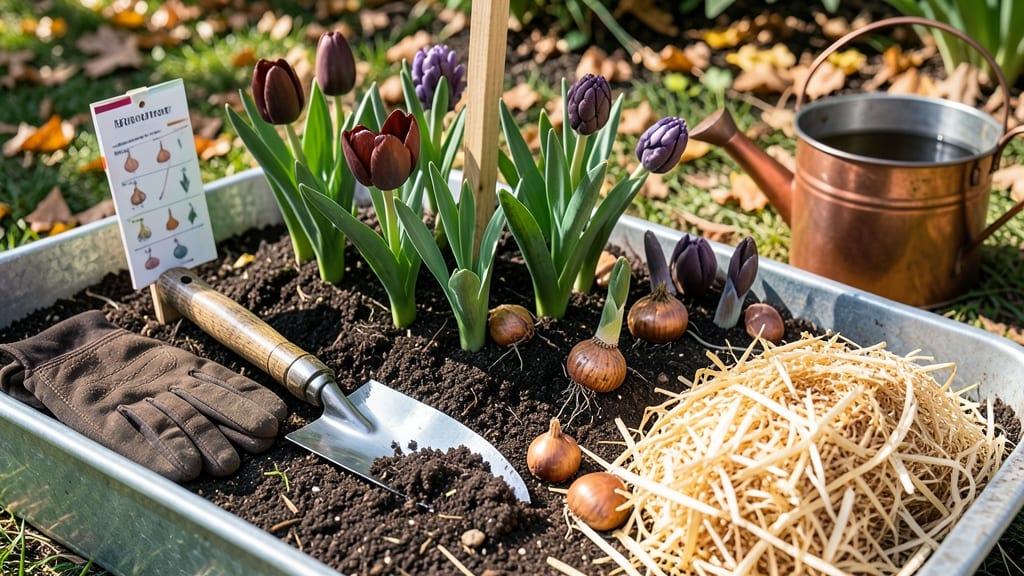
Planting bulbs in Zone 8 at the right time ensures vibrant blooms and healthy growth 🌱—aim for October to November for fall planting or February to March in early spring.
Zone 8 gardeners know timing is everything—plant bulbs too early, and they’ll rot in cold soil; too late, and you’ll miss the frost-free window. But with the right schedule, you can enjoy vibrant blooms year after year without guesswork.
Fall planting is ideal for most spring-flowering bulbs like daffodils and tulips, giving them time to root before winter. The key is to plant 6-8 weeks before the first frost, which in Zone 8 typically lands in mid-December.
In this guide, you’ll learn the exact months to plant, how to adjust for your local microclimate, and common mistakes to avoid—so your bulbs thrive from the first bloom to the last.
Best planting months for spring-flowering bulbs in Zone 8
Zone 8 gardeners have a unique advantage with spring-flowering bulbs—their mild winters and extended growing season allow for flexible planting windows. Unlike colder zones, you can plant bulbs either in fall or early spring, but timing matters to avoid rot or missed blooms.
The key is understanding your local frost dates and soil conditions.
Most spring-flowering bulbs—like tulips, daffodils, and hyacinths—prefer to be planted 6-8 weeks before the first frost. In Zone 8, this typically falls between mid-October and November.
However, if you miss this window, you can still plant in early February or March for a slightly delayed but still stunning spring display.
Here’s the critical difference for Zone 8: fall planting gives bulbs time to establish roots before winter, while spring planting works because the soil warms faster. The trade-off? Spring-planted bulbs may bloom 1-2 weeks later than their fall-planted counterparts.
| Bulb Type | Best Planting Window | Soil Temp Requirement | Notes for Zone 8 |
|---|---|---|---|
| Tulips | October–November (fall) or February (spring) | 50–60°F | Plant deeper (6–8") for spring planting to prevent rot. |
| Daffodils | October–December (fall) or March (spring) | 45–55°F | Hardier; tolerates later fall planting than tulips. |
| Hyacinths | October–November (fall) or February (spring) | 50–60°F | Plant in well-draining soil; avoid soggy spots. |
| Crocuses | September–October (fall) or February (spring) | 40–50°F | Early bloomers; plant shallow (3–4"). |
| Alliums | October–November (fall) or March (spring) | 50–60°F | Drought-tolerant; ideal for xeriscaping. |
For fall planting, aim to finish by mid-November in most of Zone 8 to allow roots to establish before winter. If your area experiences unusually cold snaps, like the San Joaquin Valley or high desert regions, push planting to October to avoid frost damage.
If you’re planting in spring, wait until the soil temperature consistently stays above 50°F. In Zone 8, this is usually by mid-February in coastal areas and early March inland. Spring-planted bulbs may need extra water to compensate for slower root growth.
One common mistake in Zone 8 is planting bulbs too shallow, especially in sandy or rocky soil. Always plant bulbs 3 times as deep as their diameter—so a 2-inch daffodil bulb should go 6 inches deep.
Use a soil thermometer to check depth; cooler soil at depth helps prevent rot.
Pro tip: Mulch after planting with 2–3 inches of straw or shredded leaves to insulate bulbs in winter and retain moisture in spring. Remove mulch in early spring once shoots emerge to prevent rot from excess moisture.
How to adjust bulb planting for Zone 8’s microclimates
Zone 8’s diverse microclimates—from coastal breezes to inland valleys and urban heat islands—can shift your bulb planting schedule by weeks. What works in San Diego’s coastal zone (milder winters) may fail in Phoenix’s desert heat or Sacramento’s valley chill.
Even within 50 miles, soil temperatures can differ by 10°F or more, making calendar dates unreliable.
Instead of blindly following October planting guides, I focus on soil temperature and local frost patterns. For example, coastal areas like Santa Barbara might plant tulips in November, while inland Fresno gardeners wait until December to avoid premature sprouting.
Urban heat islands? They often need earlier planting to prevent summer dormancy stress.
Here’s the critical rule: Plant bulbs when soil temps hit 60°F and stay above freezing for at least 6 weeks. Use a soil thermometer—don’t guess! Coastal zones hit this threshold earlier (late September-October), while inland valleys may not reach it until November.
Urban areas? They can be 2-4 weeks ahead of rural zones due to retained heat.
Planting too early in hot inland zones (like Las Vegas) can cause bulbs to sprout prematurely and burn in summer heat. Conversely, delaying in coastal areas risks frost damage before roots establish. Always adjust by 2-4 weeks based on your specific microclimate!
For coastal Zone 8 (e.g., San Francisco Bay Area), aim for late September to October planting. The ocean moderates temps, but watch for fog delays—bulbs need consistent moisture to root.
Inland valleys like Central California should wait until mid-October to November, while desert zones (e.g., Palm Springs) may need November-December planting to avoid summer dormancy.
Urban gardeners face unique challenges: concrete and asphalt retain heat, making soil 5-10°F warmer than rural areas. Test your soil—if it’s above 65°F in September, plant 2 weeks earlier than rural guides suggest.
Mulch with straw or wood chips to regulate temps and retain moisture, especially in heat islands.
Pro tip: Use local weather stations (like NOAA’s Frost/Freeze Maps) to track average first frost dates. Then backtrack 6-8 weeks—but always verify with soil temps.
For example, Los Angeles averages frost in December, but Santa Barbara’s last frost is often January. Adjust accordingly, and your bulbs will thrive year after year.