
Plants
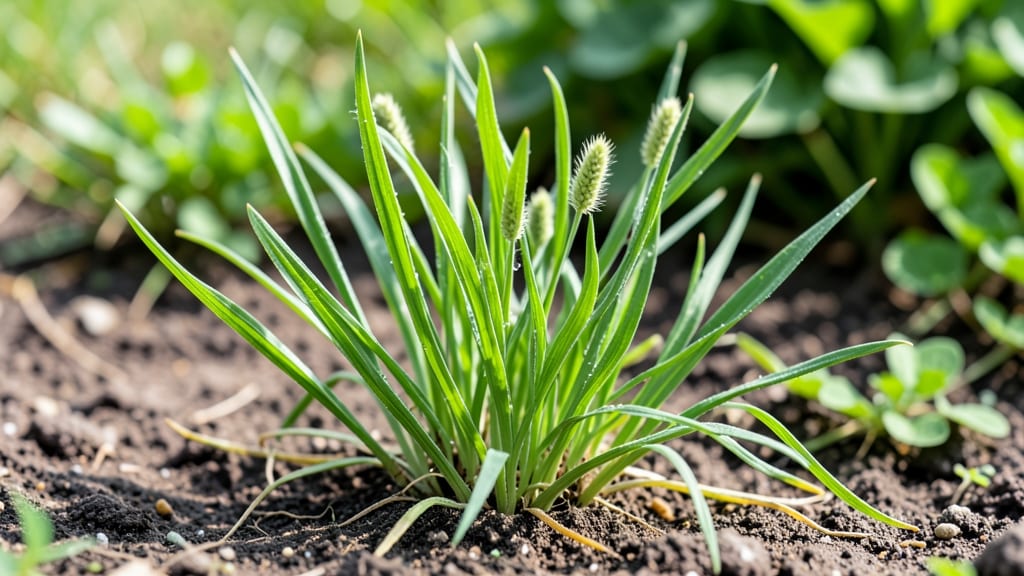
Planting oats in Texas for deer requires precise timing to create a reliable food source during lean winter months.
If you miss the window, your food plot could end up as a patch of dead grass—or worse, a missed hunting opportunity.
In Texas, where frost dates vary wildly from North to South, knowing the exact months to plant can mean the difference between a full freezer and a hungry herd.
For North Texas gardeners in zones 8a-9a, the best time is October to early November, while South Texas (zones 9b-10a) can plant as late as December.
These months ensure strong germination before winter slows growth, giving deer a steady supply of forage when natural food is scarce.
Below, I break down the ideal planting schedule by region, soil prep tips for Texas clay, and how to keep your oats lush and deer-proof through the hunting season.
Best planting months for oats in Texas by region (North vs. South)
Texas' diverse climate creates distinct planting windows for oats, especially when growing them as a deer forage crop. In the North Texas region (USDA Zones 7b-8a), colder winters demand earlier plantings, while South Texas (Zones 8b-10a) allows for later, warmer-season plantings.
Getting the timing right ensures your oats establish strong roots before winter and provide peak nutrition for deer during lean months.
For maximum deer attraction, aim to plant oats when soil temperatures drop below 80°F but before the first hard frost. This balance prevents heat stress while allowing enough growing time before winter dormancy.
In North Texas, this typically means planting between mid-October and November, while South Texas gardeners can extend planting until December due to milder winters.
Here’s how the optimal planting windows compare between Texas regions, including frost risk and deer hunting season alignment:
North Texas hunters should prioritize early November plantings to ensure oats reach maturity before the first hard frost, typically around December 15. This timing aligns with the rutting season (late October to December), when deer need high-protein forage. Planting too late risks stunted growth or frost damage, reducing the food plot’s effectiveness.
In South Texas, the milder climate allows for later plantings—even as late as early December—but avoid pushing beyond December 15 to prevent frost stress. South Texas oats often provide extended forage into early spring, supporting deer during the pre-rut and post-rut periods when food is scarce.
For spring food plots, some Texas landowners plant oats in January for a late-season green-up. However, this approach works best in South Texas, where frost is rare. In North Texas, January plantings carry higher frost risk and are less reliable for deer attraction.
Always check your local USDA Plant Hardiness Zone and historical frost dates for precise timing. Tools like the Texas A&M AgriLife Extension website or local hunting forums provide region-specific insights. Pair your planting schedule with soil testing (ideal pH: 6.0-6.5) and companion crops like clover for year-round deer appeal.
Pro tip: Mark your calendar for 4-6 weeks before the first frost—this is your planting deadline to ensure oats establish before winter dormancy. Use a planting thermometer to monitor soil temperatures and avoid heat stress during late-season plantings.
🌾
How to choose oats varieties for Texas deer hunting success
Selecting the right oat varieties for Texas deer hunting can make or break your food plot's success. Cold-hardy options like TAM Oats thrive in North Texas winters, while warm-season mixes like Austrian Winter Peas extend forage into spring.
Understanding deer preferences—whitetails favor lush green growth, while mule deer prefer mature seed heads—helps you tailor your plot for maximum attraction.
Texas' diverse climate demands strategic variety selection. In North Texas (USDA Zones 7b-8a), cold-tolerant oats like 'Crimson Clover' mixes dominate winter plots, while South Texas (Zones 8b-10a) benefits from warm-season blends that avoid summer dormancy.
The key is balancing yield potential with deer palatability—some varieties produce more biomass but rank lower in deer preference.
Here's how to compare your options with a pros-cons breakdown of top Texas deer-friendly oat varieties:
TAM Oats (Cold-Hardy)
- ✅ Pros: Thrives in North Texas winters, high deer preference for green growth, fast establishment (30-45 days).
- ✅ Best for: Winter food plots, whitetail attraction, frost-prone areas.
Cons:
- ❌ Limited summer growth, dormant in heat, requires fall replanting for year-round forage.
- ❌ Lower biomass than warm-season mixes in South Texas.
Austrian Winter Peas
- ✅ Pros: Extended season (fall to spring), high protein (25%+), deer love both green and mature stages.
- ✅ Best for: Transition plots, South Texas, spring hunting.
Cons:
- ❌ Slower germination (45-60 days), requires cool soils to establish.
- ❌ Less cold-hardy than TAM Oats; may winterkill in Zone 7b.
Crimson Clover Mixes
- ✅ Pros: Drought-tolerant, spring bloom attracts deer, improves soil with nitrogen.
- ✅ Best for: South Texas, spring hunting, soil health.
Cons:
- ❌ Lower winter forage value, best planted in late fall for spring benefit.
- ❌ Less palatable than oats when green; deer prefer mature seed heads.
For North Texas hunters, I recommend starting with TAM Oats as your base variety—it delivers reliable winter forage when deer need it most. Mix in 10-20% Crimson Clover to extend the season into spring without sacrificing early-season attraction.
In South Texas, swap half your TAM Oats for Austrian Winter Peas to maintain green growth through milder winters.
Pro tip: Test small plots of each variety to observe which your local deer prefer. I’ve seen whitetails ignore mature oat heads but devour Austrian Winter Peas in full bloom—always adjust based on real-world feedback.
Pair your oats with chufa sedge or wheat for layered forage that keeps deer visiting year-round.
Remember, deer preference shifts with the seasons. Plant TAM Oats in November for winter green-up, then overseed with Crimson Clover in December to capitalize on spring's higher protein needs. This two-phase approach ensures your food plot remains a deer magnet from fall hunting through early spring rut.