
Plants
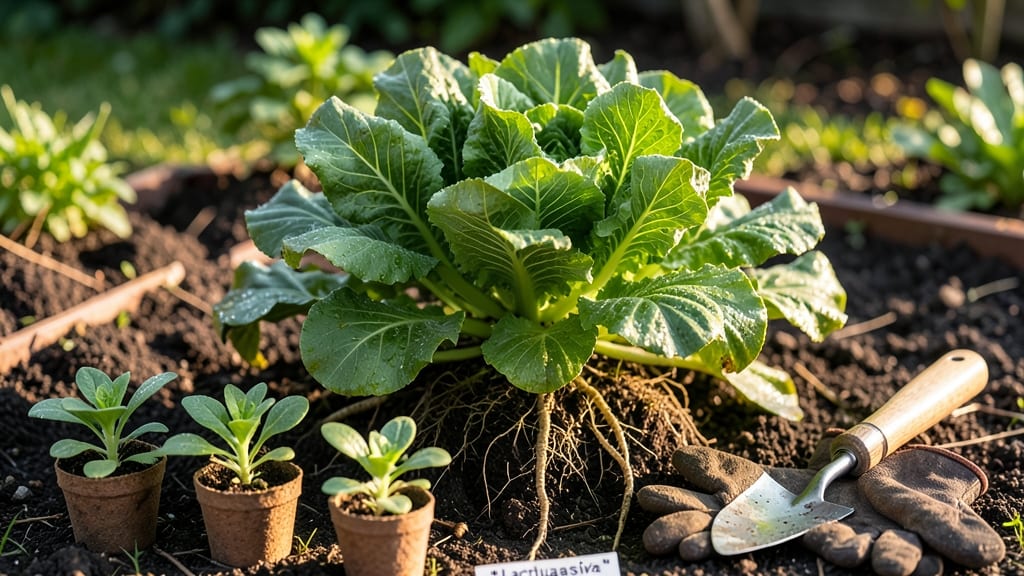
Planting lettuce in Zone 8a at the right time means the difference between crisp, sweet harvests and bitter, bolted disappointment.
If you’ve ever planted lettuce in Zone 8a only to watch it bolt into bitter leaves before you can harvest, you’re not alone—but timing is the secret to avoiding this frustration.
In Zone 8a, the key is planting 🥬 in early fall (September-October) or late winter (February-March), when temperatures stay mild enough to prevent bolting while still allowing steady growth.
Below, I break down the exact months to plant, how to extend your harvest season, and the best lettuce varieties for Zone 8a’s climate—so you can enjoy fresh greens all year.
Best planting months for lettuce in Zone 8a to prevent bolting
If you’ve ever planted lettuce in Zone 8a only to watch it bolt into bitter leaves before you can harvest, you’re not alone—but timing is the secret to avoiding this frustration.
Lettuce thrives in cool temperatures between 45°F and 75°F, and planting outside these ranges triggers bolting, the rapid flowering stage that turns your crisp greens into tough, bitter stalks.
In Zone 8a, where summers are hot and winters mild, strategic planting is key to enjoying sweet, tender lettuce all year.
Zone 8a’s last frost date typically falls around January 15, while the first frost arrives around December 15. This means you have a narrow window for summer planting, but with the right techniques, you can grow lettuce successfully in fall, winter, and early spring.
The goal is to align your planting schedule with cooler temperatures and avoid the heat stress that causes bolting.
Lettuce bolting occurs when plants sense prolonged heat or drought, triggering a survival mechanism. In Zone 8a, this usually happens by late May or early June if planted too early in spring. By understanding your microclimate and adjusting planting times, you can extend your harvest season and enjoy fresh lettuce for months.
For Zone 8a gardeners, the best planting months are September and October for a fall harvest, followed by February and March for spring planting. These windows align with cooler temperatures and shorter daylight hours, which lettuce prefers.
In September, aim to plant 6-8 weeks before your first frost to ensure a harvest before winter sets in. If you’re eager for an early spring crop, start seeds indoors in late January and transplant outdoors in early March.
If you’re tempted to plant lettuce in late summer, proceed with caution. Temperatures in Zone 8a often exceed 90°F during July and August, which is too hot for most lettuce varieties. However, heat-tolerant varieties like Jericho or Black Seeded Simpson can handle up to 85°F with proper shade.
Plant these in late July or early August under 50% shade cloth to extend your growing season.
Another key strategy is succession planting. Instead of sowing all your lettuce seeds at once, stagger plantings every 2-3 weeks during your ideal windows. This ensures a continuous harvest and reduces the risk of bolting from uneven growth.
For example, plant one batch in early September, another in mid-September, and a final batch in early October to enjoy lettuce through November.
Soil temperature also plays a
How to extend lettuce season in Zone 8a: shade and succession planting tips
Zone 8a gardeners know that lettuce thrives in cooler months, but summer heat can turn your crisp greens into bitter disappointment. The key to year-round harvests? Strategic shade and succession planting.
By extending your growing season with these two methods, you can enjoy fresh lettuce even when temperatures climb above 75°F. Let’s dive into how to keep your lettuce happy and productive all year.
First, let’s tackle the heat. Lettuce bolts (goes to seed) when stressed by high temperatures. Shade cloth is your best friend during summer months. A 30-50% shade cloth reduces sunlight by 30-50%, keeping soil and plants cooler.
Install it over your lettuce beds in late spring and remove it in early fall. This simple step can delay bolting by 2-4 weeks, giving you more time to harvest tender leaves.
- Late Summer Planting: Start seeds or transplant heat-tolerant varieties like Romaine or Buttercrunch in August under shade cloth. This gives them time to mature before fall temperatures drop.
- Succession Planting: Sow new seeds every 2-3 weeks from September through March. This ensures a continuous supply of fresh lettuce, even as older plants bolt.
- Fall Transition: Remove shade cloth in early October to allow full sunlight for late-season growth. Lettuce planted in October will thrive through November and into early winter.
- Winter Protection: Use row covers or cold frames in December-January to shield lettuce from frost. This extends harvests until February in most Zone 8a areas.
- Spring Revival: Plant slow-bolt varieties like Oakleaf in February for early spring harvests. Combine with mulch to keep soil cool and moist.
Succession planting is another game-changer. Instead of planting all your lettuce at once, stagger your plantings every 2-3 weeks. This way, when one batch bolts or gets too hot, another is ready for harvest.
For example, start your first batch in late August, then follow up with seeds in September, October, November, and February. This schedule ensures you always have fresh lettuce on hand, even during peak summer months.
Don’t overlook the power of mulch. A thick layer of straw or wood chips keeps soil temperatures stable and retains moisture. Mulch also suppresses weeds, reducing competition for nutrients.
Apply 2-3 inches of mulch around your lettuce plants, but keep it 1 inch away from the stems to prevent rot. This simple step can improve your lettuce’s resilience to heat and drought.
Finally, choose the right varieties for your climate. Heat-tolerant lettuces like Jericho Romaine or Black Seeded Simpson can handle slightly warmer temperatures than traditional varieties. These types are less likely to bolt, giving you more flexibility in your planting schedule.
Pair them with shade cloth and succession planting, and you’ll enjoy crisp, sweet lettuce year-round.
With these strategies, you’ll turn your Zone 8a garden into a lettuce powerhouse. Whether you’re shielding plants from the sun, staggering your plantings, or selecting the right varieties, every step brings you closer to a never-ending harvest of fresh, flavorful greens. Happy gardening! 🥬