Plants
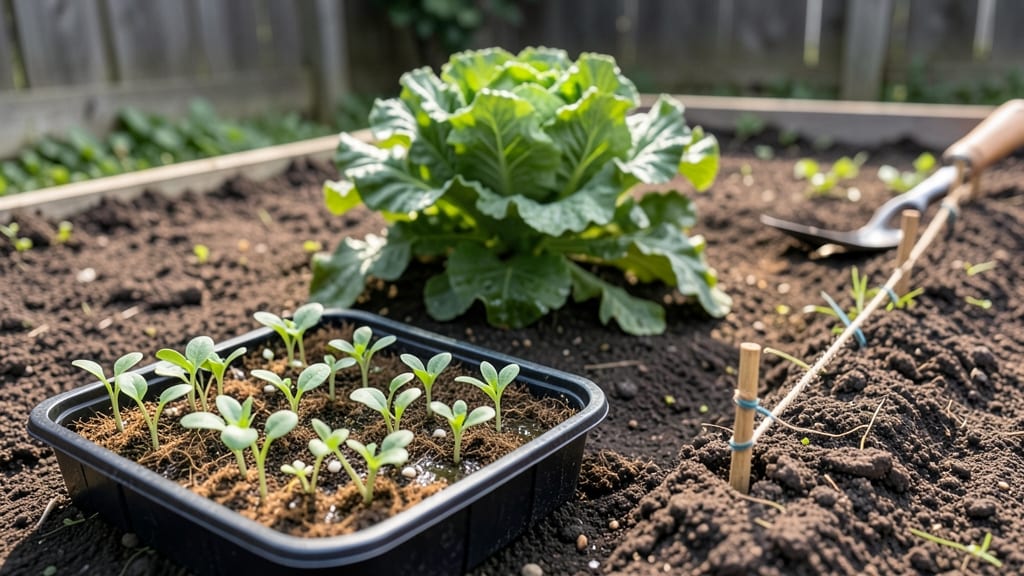
Planting lettuce in Seattle at the right time means the difference between crisp, sweet harvests and bitter, bolted greens that go to seed before you even taste them.
Seattle’s unpredictable weather can turn your 🥬 into disappointment if you miss the narrow window between frost and summer heat. Too early, and a late freeze wipes out your crop; too late, and the plants bolt faster than you can say "salad."
The key is knowing your microclimate—whether you’re in the Puget Sound chill or the Eastside’s warmer pockets—and planting 4-6 weeks before the last frost (around mid-March) for spring crops.
But here’s the twist: with succession planting and shade tricks, you can stretch your harvest from April all the way to November.
Below, I’ll walk you through the exact planting schedule for Seattle’s USDA Zone 8a, the best bolt-resistant varieties for your garden, and how to cheat the summer heat so your lettuce stays sweet and crisp—no matter what the forecast says.
Seattle’s microclimates explained: when to plant lettuce by zone
Seattle’s three distinct microclimates create wildly different growing conditions—even just 10 miles apart. The Puget Sound stays cooler and wetter, the Eastside bakes in summer, and the South Sound gets a mix of both.
If you plant lettuce at the wrong time, you’ll end up with bitter, bolted greens instead of crisp salads. Let’s break down the perfect planting windows for each zone to keep your lettuce happy and harvestable.
First, understand that Seattle’s USDA Zone 8a is just the starting point. Urban areas like Ballard or Capitol Hill can feel 2-3°F warmer than rural spots like Woodinville or Carnation due to the "urban heat island" effect.
For lettuce, this means timing matters—plant too early, and frost zaps your crop; plant too late, and heat sends it bolting. Here’s how to nail it in each microclimate.
🌱 Key Rule: Lettuce thrives when soil temps stay between 45°F and 75°F. Above 80°F, most varieties bolt within days. Below 40°F, growth stalls. Seattle’s microclimates let you stretch your season, but you’ve got to play by their rules.
Notice how the Eastside has a later last frost date but a shorter fall window? That’s because hotter summers push lettuce to bolt faster. If you’re on the Eastside, focus on heat-tolerant varieties like ‘Summer Crisp’ and plant your last fall crop by August 1 to avoid disaster.
In the Puget Sound, you’ve got a little more wiggle room—plant your final fall crop by September 15 for a late-October harvest before frost hits.
The South Sound is the most forgiving for fall planting, thanks to its cooler nights. Here, you can push lettuce into early October and still get a harvest before the first frost.
But don’t get cocky—if you’re in Tacoma or Olympia, watch for radiation frost in low-lying areas, which can sneak in earlier than expected. A lightweight row cover can add 2-4°F protection if temps dip below 35°F.
Urban gardeners in Seattle’s downtown core (like Pioneer Square or the University District) often face warmer microclimates due to pavement and buildings. If your lettuce bolts prematurely, try moving your plants to a north-facing spot or under a trellis for dappled shade.
Even 1-2 hours less direct sun can make a huge difference in summer.
For container growers, remember that pots heat up faster than in-ground beds. If you’re growing lettuce in containers on a balcony or patio, switch to heat-resistant varieties and move pots to a shadier spot by noon.
A self-watering planter also helps—lettuce in containers bolts 30% faster when soil dries out.
One final trick: Succession plant every 2 weeks from March to September to ensure a steady supply. Even if one batch bolts, you’ll have fresh lettuce ready to harvest.
And if you’re feeling ambitious, try overwintering lettuce with a cold frame or straw mulch—you’ll be the first at the farmers’ market with spring greens in February!
Seattle’s microclimates might seem tricky, but once you master them, you’ll have crisp, sweet lettuce all season long. Start with these planting windows, adjust for your exact location, and don’t forget to harvest outer leaves first to encourage continuous
How to extend your lettuce season: succession planting for year-round harvests
Seattle’s cool, wet summers and chilly winters create the perfect conditions for year-round lettuce—if you time it right. The key? Succession planting every 2-3 weeks to keep your garden producing crisp leaves while avoiding bolt-resistant varieties that thrive in our microclimates.
I’ve learned the hard way that planting all your lettuce at once leads to overwhelming harvests followed by bitter disappointment when the weather shifts.
Instead, stagger your plantings to match Seattle’s last frost (March 15) and first frost (November 15), using shade cloth and cold frames to protect tender seedlings.
- 📅 Step 1: Start Early – Plant your first batch 4-6 weeks before Seattle’s last frost (mid-February). Use heat-resistant varieties like ‘Black Seeded Simpson’ for summer success.
- ⏰ Step 2: Stagger Plantings – Sow new seeds every 2-3 weeks through late July to ensure continuous harvests. Aim for 3-4 plantings in spring and 2-3 in fall.
- ☀️ Step 3: Shield from Heat – Use 30-50% shade cloth during June-August to prevent bolting. Secure it 3-4 feet above plants for airflow.
- ❄️ Step 4: Protect from Frost – For fall/winter crops, cover seedlings with row covers or use cold frames when temps drop below 40°F. Hardier varieties like ‘Winter Density’ tolerate light frost.
- 🌱 Step 5: Extend into Winter – Plant last batches in early October for harvests through December. Mulch heavily with straw or leaves to insulate roots.
For urban gardeners, container planting works too—just use 5-gallon pots with well-draining soil and place them near north-facing walls to avoid afternoon sun. I’ve had great success with ‘Outredgeous’ romaine in pots on my balcony, harvesting leaves for months.
Don’t forget to harvest outer leaves first to encourage regrowth. This cut-and-come-again method gives you multiple harvests per plant, maximizing your garden’s productivity. Start with 3-4 plants to test what works best in your microclimate before scaling up.
With these techniques, you’ll enjoy fresh, crisp lettuce from April through November—even when your neighbors are struggling with bolted greens. The secret? Consistency and protection tailored to Seattle’s ever-changing weather.