
Plants
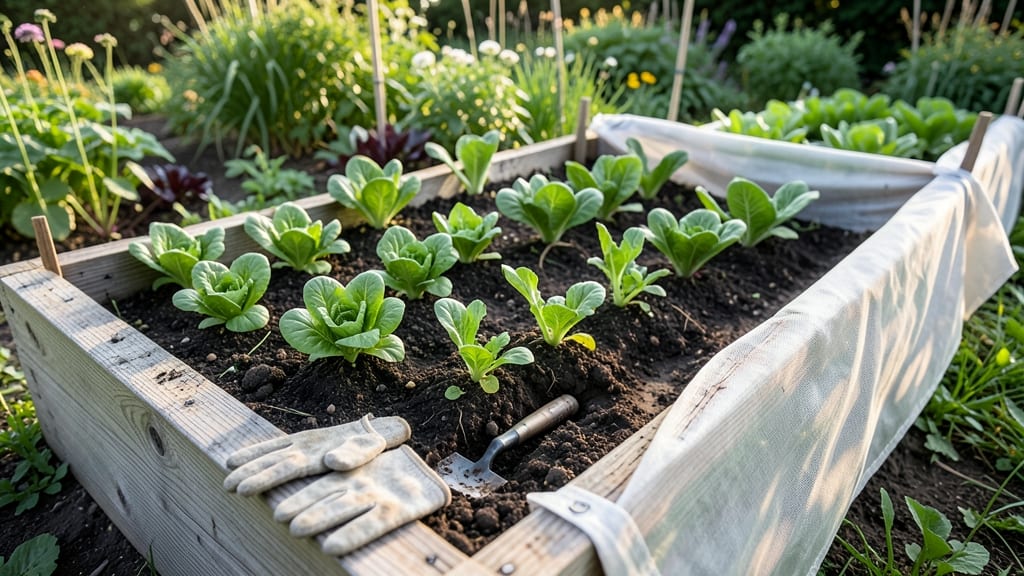
Planting lettuce in Iowa between mid-March and mid-April for spring harvests — or August to September for fall — is the key to crisp, bolt-free greens 🥬.
Iowa’s unpredictable spring weather can turn your lettuce into bitter, bolted greens overnight—but timing your planting just right ensures sweet, tender leaves from seed to harvest. One wrong move and you’re left with flowering stalks instead of dinner.
This schedule works for both cold-hardy varieties (like romaine) and heat-tolerant types (like butterhead), using Iowa’s USDA 5a-5b climate as your guide. Miss the window, and you risk bolting; nail it, and you’ll harvest fresh greens for months.
Below, I’ll break down the exact months to plant, how to protect seedlings from late frosts, and when to start a second crop for fall harvests—so you never run out of crisp lettuce again.
Iowa’s ideal lettuce planting months by variety type (avoid bolting)
Iowa’s climate—with its freezing springs and sweltering summers—demands precision when planting lettuce. The key is choosing cold-hardy varieties for early season and heat-tolerant types for late summer. Miss the window, and you’ll face bitter, bolted leaves before harvest. Let’s break down the exact months for each type to maximize your garden’s potential.
Lettuce falls into four main categories: leaf lettuce (like Black Seeded Simpson), romaine (e.g., Parris Island), butterhead (such as Buttercrunch), and crisphead (like Iceberg). Each thrives in different temperature ranges, so planting timing varies.
For USDA zones 4b-5a, where Iowa falls, the last spring frost typically hits around April 15, while the first fall frost arrives by October 15.
Here’s the golden rule for Iowa gardeners: Plant cold-hardy varieties 4-6 weeks before your last frost and heat-tolerant types 6-8 weeks before the first frost for fall harvests. This schedule ensures you avoid the heat stress that triggers bolting while capitalizing on Iowa’s cool, moist springs and mild autumns.
Leaf lettuce is your best bet for spring and fall succession planting in Iowa. Varieties like Salad Bowl or Oakleaf can handle light frosts and bolt less easily than others. For spring plantings, start seeds indoors in late February to get a head start, then transplant outdoors by March 15. This gives them enough time to establish roots before the soil warms in April.
If you’re aiming for a fall harvest, focus on heat-tolerant romaine or leaf varieties planted in early August. These types can withstand Iowa’s summer heat better than butterhead or crisphead lettuce.
Use shade cloth (30-50%) to protect seedlings from intense afternoon sun, which can cause bolting. For late-summer plantings, sow seeds every 2 weeks until September 1 to ensure a continuous harvest.
Butterhead lettuce, like Buttercrunch, is delicate and heat-sensitive, making it tricky to grow in Iowa’s summers. However, it thrives in cool spring conditions. Plant seeds directly outdoors by mid-March for a May harvest. Avoid planting after April 15, as rising temperatures will cause it to bolt quickly. For a fall crop, try transplanting young plants in mid-August under shade cloth to extend the
How to extend Iowa’s lettuce season: frost protection & succession tips
Iowa’s short growing season doesn’t have to limit your lettuce harvests. With the right frost protection and succession planting strategies, you can enjoy fresh salads from early spring through crisp fall evenings. The key is understanding how to extend your planting windows while preventing bolting from heat or cold stress.
I’ve grown lettuce in Iowa’s USDA Zone 5a/5b for years, and these methods have helped me push harvests nearly 6 weeks earlier in spring and 4 weeks later in fall than the typical windows.
The secret lies in combining row covers, cold frames, and strategic weekly planting schedules.
- 1 Week 1: Plant cold-hardy varieties (like Winter Density) under row covers for early spring harvests.
- 2 Week 3: Sow heat-tolerant varieties (like Jericho) in partial shade to avoid bolting during summer.
- 3 Week 5: Use cold frames for late summer plantings to protect from early frosts in September.
- 4 Week 7: Plant bolting-resistant varieties (like Black Seeded Simpson) for fall harvests before first frost (October 15).
For early spring plantings, start seeds indoors 6-8 weeks before your last frost date (around March 1 in Iowa) and transplant outdoors when soil reaches 40°F.
Cover seedlings with floating row covers to protect from light frosts down to 20°F—this can add 3-4 weeks to your growing season.
In late summer, switch to shade cloth (30-50%) to keep soil temperatures below 80°F, which triggers bolting. I’ve found that planting every 2 weeks from August 15 to September 15 gives me continuous harvests through October.
Pair this with drip irrigation to maintain even moisture without wetting leaves, which reduces disease risk.
Don’t overlook cold frames for fall extensions. A simple Plexiglas-covered frame can keep soil 10-15°F warmer than ambient air, allowing you to plant 4-6 weeks later than outdoor schedules. Just remember to ventilate daily to prevent overheating during sunny days.
My pro tip: Mix leaf lettuce (fast-maturing) with head lettuce (slower-growing) in the same bed. This way, you get continuous harvests—picking outer leaves from leaf types while head varieties mature. It’s a game-changer for fall gardens when days grow shorter.