
Plants
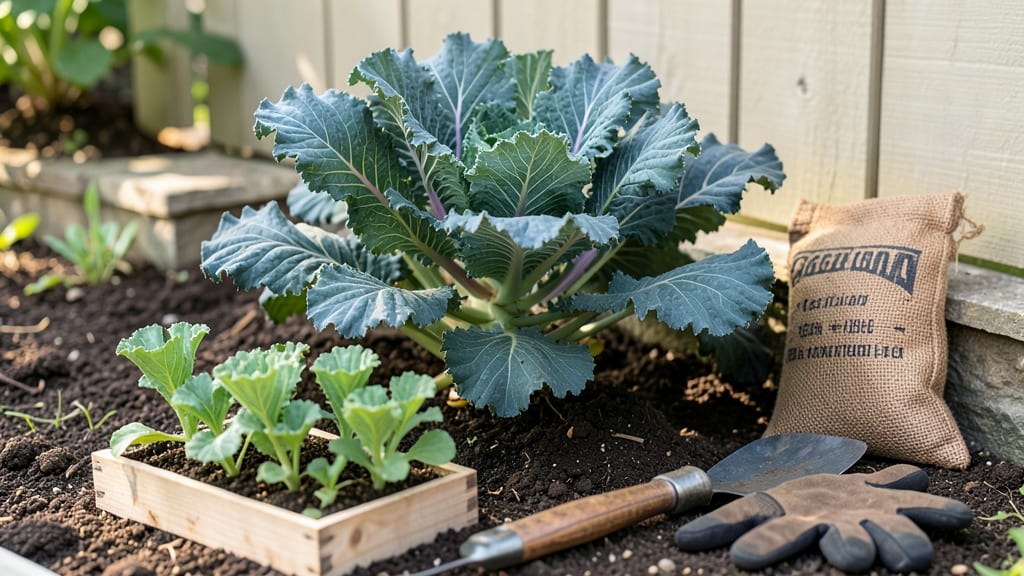
Planting kale in Seattle at the right time means the difference between a thriving 🥬 harvest and a sad, frost-nipped failure.
Seattle’s mild but unpredictable climate makes timing your kale planting critical—get it wrong, and you’ll either face frost damage or stunted growth. Here’s your precise frost-free window guide for USDA Zone 8a, plus expert tips to maximize your harvest.
Most gardeners in Seattle swear by spring and fall plantings, but the real secret is adjusting for microclimates—whether you’re near Puget Sound or inland.
The key is planting after the last frost (around March 15) and before summer heat sets in, ensuring your kale matures before the first frost hits in mid-November.
In this guide, you’ll discover the exact months to plant for both direct sowing and transplants, how to protect your crop from Seattle’s infamous late frosts, and the best varieties to thrive in our cool, wet springs and mild winters.
Seattle’s exact kale planting timeline by month (Zone 8a)
Seattle’s cool, wet springs and mild winters create a unique growing window for kale. Unlike hotter climates, kale thrives in Zone 8a’s moderate temperatures—but timing is everything. Plant too early, and frost will damage tender seedlings; too late, and summer heat triggers bolting.
Here’s your month-by-month breakdown based on Seattle’s historical last frost date (March 15) and first frost (November 15).
Kale’s ideal planting windows in Seattle are March–April for spring harvests and August–September for fall/winter harvests. This aligns with soil temperatures warming to 40°F+ and avoids the June–August heat stress that causes bolting. For year-round harvests, use row covers or cold-hardy varieties like ‘Winterbor’ or ‘Lacinato.’
Key climate factors to consider: • Average lows: 35°F (spring/fall), 50°F (summer) • Rainfall: 3–5 inches/month (March–May) • Sunlight: 6+ hours daily for optimal growth • Soil pH: 6.0–7.0 (Seattle’s natural acidity often needs lime)
For spring plantings, aim for March 15–April 15 to ensure mature plants before summer heat. Use shade cloth (30–50%) if planting in late April to prevent bolting. In fall, August is ideal—kale planted by September 1 will survive Seattle’s first frosts and often sweeten with cold exposure.
Seattle’s coastal microclimates (like West Seattle) stay 5–10°F cooler
How to extend your kale season in Seattle (cold hardiness hacks)
Seattle’s chilly, wet winters and unpredictable frost dates can make growing kale feel like a gamble. But with the right cold hardiness strategies, you can harvest fresh kale from late fall through early spring.
The key lies in variety selection, protective coverings, and leveraging microclimates to shield your plants from frost.
Not all kale varieties handle Seattle’s damp, cool climate equally. Winterbor and Winter Red Russian are your best bets—they tolerate 20°F temperatures and even light frosts. Meanwhile, Red Russian (a favorite for its flavor) struggles below 25°F without protection. Choosing the right variety sets the foundation for year-round success.
Frost Cloths vs. Row Covers
Frost Cloths
- ✅ Lightweight, breathable
- ✅ Allows sunlight & rain
- ✅ Extends season by 2–4 weeks
- ✅ Easy to remove during day
Row Covers
- ✅ Heavier, traps more heat
- ✅ Protects from hard frosts (15°F)
- ✅ Requires stakes for airflow
- ❌ Can overheat plants in sun
Microclimates for Kale
South-Facing Walls
- ✅ Warmer by 5–10°F than open beds
- ✅ Ideal for late fall/winter planting
- ✅ Use raised beds for drainage
Low Spots
- ❌ Colder air pools here
- ✅ Only plant hardy varieties
- ✅ Avoid in November–January
Microclimates are your secret weapon in Seattle. A south-facing wall or greenhouse poly tunnel can create a 5–10°F warmer zone, letting you plant 4–6 weeks earlier in spring or 2–3 weeks later in fall.
Even a black plastic mulch (laid in late summer) warms soil by 3–5°F, giving seedlings a head start.
For winter harvests (December–February), combine row covers with straw mulch. The mulch insulates roots from freeze-thaw cycles, while the cover shields leaves from radiation frost. Remove covers during mild days (above 40°F) to prevent overheating—kale needs sunlight to stay productive.
Seattle’s rainy winters can drown kale if soil stays soggy. Amend beds with compost and coarse sand to improve drainage, and elevate plants in raised beds if your yard floods. Overwatered kale turns yellow and mushy, so prioritize well-draining soil over frequent watering.
Test your extended-season kale by planting ‘Winterbor’ in late August and harvesting through January. Use frost cloths on November nights and remove them by 10 AM to avoid condensation. With these tactics, you’ll enjoy homegrown kale year-round—no grocery store in sight!