
Plants
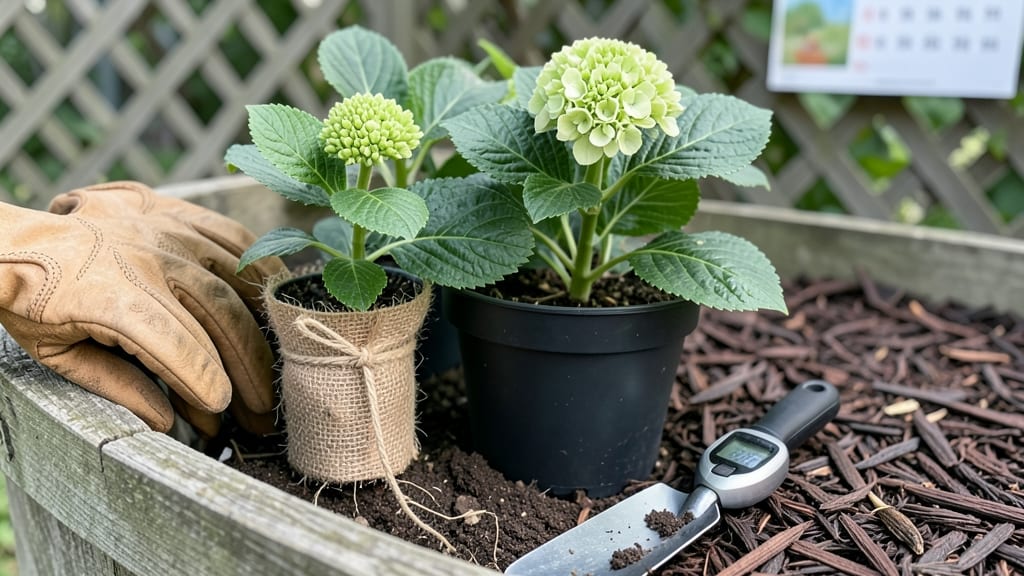
Planting hydrangeas in Illinois at the right time means the difference between a lush, blooming shrub 🌸 and a struggling underperformer that never reaches its potential.
Timing is everything when it comes to hydrangeas—get it wrong, and your stunning blooms might never appear. Whether you're in Chicago's zone 5 or southern Illinois' zone 7, knowing the exact planting windows for spring and fall is the key to success.
Most gardeners in Illinois plant hydrangeas in April-May or September-October, but the best time depends on your hardiness zone and whether you're planting bare-root or container-grown shrubs. I'll walk you through the ideal months for each zone and variety, plus how to prep your soil for maximum bloom power.
You'll discover how to avoid common mistakes like planting too early (which risks frost damage) or waiting too long (which limits root establishment), and get zone-specific tips for acclimating your hydrangeas to Illinois' unpredictable spring weather.
Best hydrangea planting months in Illinois by USDA Zone (5-7)
Planting hydrangeas in Illinois requires careful timing to account for the state's variable frost dates across USDA zones 5-7. In northern Illinois (Zone 5), late spring frost can linger until mid-May, while southern Illinois (Zone 7) sees milder winters with first frosts arriving around mid-October.
Choosing the right window ensures your hydrangeas establish strong roots before extreme temperatures arrive.
Spring planting is ideal for bare-root hydrangeas, giving them the entire growing season to settle in. Fall planting works well for container-grown plants, allowing roots to establish before winter dormancy. Both methods require well-draining soil and partial shade protection to thrive in Illinois' humid summers.
Here’s a quick reference for the best planting months by zone, including soil prep tips to maximize success:
| Zone | Best Planting Months | Soil Prep | Frost Risk |
|---|---|---|---|
| Zone 5 (Northern IL) | Late April–May or September | Amend with compost; pH 5.5–6.2 | Last frost: April 15; first frost: Oct 20 |
| Zone 6 (Central IL) | Mid-April–May or late August–Sept | Add organic matter; ensure drainage | Last frost: April 1; first frost: Oct 10 |
| Zone 7 (Southern IL) | March–April or Sept–early Oct | Test pH; mulch heavily | Last frost: March 15; first frost: Nov 1 |
For Zone 5 gardeners, avoid planting before mid-April—early spring frosts can damage tender roots. Instead, wait until soil temperatures reach at least 50°F and nighttime lows stay above 40°F.
In Zone 7, you can start as early as March if you protect young plants with row covers during unexpected cold snaps.
Soil preparation is critical across all zones. Hydrangeas prefer acidic to neutral soil (pH 5.5–6.2) and well-draining conditions. Test your soil before planting—Illinois’ clay-heavy soils often need organic amendments like compost or peat moss.
Mix in 2–3 inches of compost into the top 12 inches of soil and mulch with 3 inches of wood chips to retain moisture and regulate temperature.
If planting in fall (September–October), choose container-grown hydrangeas over bare-root varieties—they establish faster and tolerate winter better. Water deeply before the first frost to ensure roots are hydrated. For spring planting, soak bare-root plants for 2–3 hours before setting them in the ground to reduce transplant shock.
Watch for late-season heatwaves in Zone 7 during fall planting—temperatures above 85°F can stress newly planted hydrangeas. If planting in late September, water daily for the first 2 weeks to help roots acclimate.
In Zone 5, prioritize early fall planting by mid-September to allow roots to establish before winter dormancy.
Pro tip: Mark your hydrangea planting site with stakes or flags to avoid disturbing roots during soil prep. This is especially useful in urban gardens where space is limited, like Chicago’s backyard plots or St. Louis’ mixed landscapes.
Hydrangeas thrive in partial shade, so choose a spot with morning sun and afternoon shade for optimal bloom performance.
Remember, hydrangeas are slow growers—it can take 2–3 years for them to reach maturity and produce abundant blooms. Planting at the right time ensures your investment pays off with vibrant flowers for years to come. 🌸
How to choose the perfect time for hydrangea varieties (bigleaf, panicle, oakleaf)
Not all hydrangeas bloom the same way, so their planting times in Illinois vary. Bigleaf hydrangeas (like 'Endless Summer') need early planting to establish roots before summer heat, while panicle hydrangeas (such as 'Limelight') handle late-season planting better. Oakleaf varieties (like 'Snow Queen') thrive with fall planting for winter hardiness.
Understanding these differences ensures your hydrangeas grow strong and flower spectacularly.
Bare-root hydrangeas should always be planted when soil temperatures stay above 40°F—typically after the last frost in mid-April for Illinois. Container-grown plants, however, offer more flexibility, allowing you to plant them 2-3 weeks earlier since their roots aren’t exposed.
This timing difference is crucial for avoiding transplant shock in Illinois’s unpredictable spring weather.
Climate matters: In northern Illinois (Zone 5), aim for late April to early May to avoid late frosts. Central Illinois (Zone 6) can plant as early as mid-April, while southern Illinois (Zone 7) can start in March. Fall planting works too—September to early October—but stop by mid-October to allow roots to establish before winter.
| Hydrangea Type | Best Planting Time | Bare-Root vs. Container | Bloom Cycle |
|---|---|---|---|
| Bigleaf | April–May (spring) or Sept–Oct (fall) | Bare-root: May; Container: April | Old wood blooms (previous year’s growth) |
| Panicle | March–April (spring) or Sept–Oct (fall) | Bare-root: April; Container: March | New wood blooms (current year’s growth) |
| Oakleaf | April–May (spring) or Sept–Oct (fall) | Bare-root: May; Container: April | Old wood blooms (previous year’s growth) |
Bigleaf hydrangeas bloom on old wood, meaning last year’s growth produces this year’s flowers. Planting them too late in spring risks losing blooms, as new growth won’t flower until the next season. For panicle hydrangeas, new wood blooms mean they’re more forgiving—plant them anytime until mid-October—but spring planting ensures bigger blooms.
Oakleaf hydrangeas are the most cold-hardy, making them ideal for Illinois’s Zone 5 gardens. Their fall foliage adds seasonal interest, but their planting window mirrors bigleaf varieties. If you’re in Zone 6 or 7, you can push fall planting into early November, but mulch heavily to protect roots from winter temperature swings.
For container-grown hydrangeas, always remove the pot and loosen roots before planting. This encourages faster root establishment, especially in Illinois’s clay-heavy soils. Amend the soil with compost to improve drainage, and water deeply after planting.
In drought-prone summers, mulch with 3 inches of shredded bark to retain moisture and regulate soil temperature.