
Plants
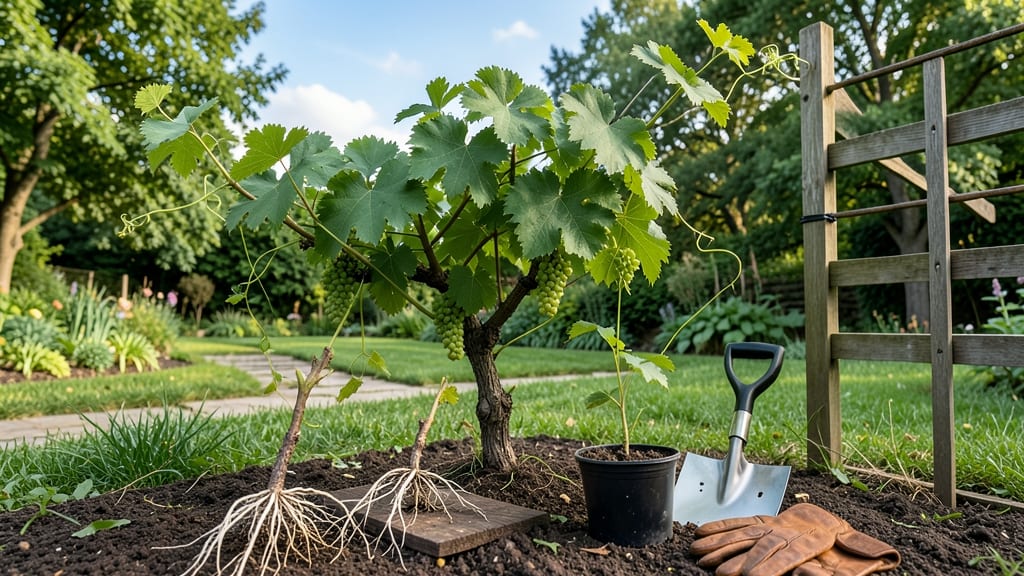
Planting grapes in Missouri after the last frost—typically late April to early May—sets the stage for a thriving vineyard or backyard harvest.
Missouri’s humid summers and cold winters demand precise timing when planting grapes—or risk losing your entire crop to frost or poor establishment. But with the right variety and strategy, you can grow thriving vines that produce sweet, juicy fruit year after year.
Most gardeners in USDA zones 5b-6b focus on spring planting, but some varieties thrive when transplanted in early fall. The key is understanding your local frost dates and soil conditions to maximize survival and yield.
In this guide, I’ll break down the best months to plant grapes in Missouri by variety, share tips for preparing soil and young vines, and help you avoid common mistakes that lead to failed harvests.
Best planting months for grapes in Missouri by variety type
Missouri gardeners know timing is everything when planting grapes—especially with our unpredictable frost dates and humid summers. The wrong timing can mean weak vines or lost crops, but choosing the right variety and planting window sets you up for success.
Cold-hardy varieties like Concord and Niagara thrive in Missouri’s USDA Zones 5-7, while wine grapes like Cabernet Franc need extra care to survive winter. Let’s break down the best months to plant each type for maximum yield.
Spring planting is ideal for most grape varieties in Missouri because the soil warms up, and the risk of frost decreases after mid-April. However, fall planting (September-October) can work for cold-hardy varieties if done carefully.
The key is avoiding late-season frosts that can damage young roots. For wine grapes, spring planting is almost always the safer bet due to their lower cold tolerance compared to table grapes.
Here’s a quick reference for Missouri’s best planting months by grape variety, including frost risk considerations:
| Variety Type | Best Planting Month | USDA Zone Fit | Frost Risk | Notes |
|---|---|---|---|---|
| Concord (Table Grape) | Late April - Early May | Zones 5-7 | Low (hardy to -15°F) | Best for Missouri; thrives in heat. |
| Niagara (Table Grape) | Late April - Early May | Zones 5-7 | Low (hardy to -20°F) | Cold-resistant; great for northern MO. |
| Cabernet Franc (Wine Grape) | Early May (after frost) | Zones 6-7 | Moderate (hardy to -10°F) | Needs warmer microclimates; mulch heavily. |
| Chardonnay (Wine Grape) | Early May (after frost) | Zones 6-7 | Moderate (hardy to -10°F) | Best in southern MO; protect from winter winds. |
| Norton (Cold-Hardy Wine Grape) | Late April - Early May | Zones 4-7 | Very Low (hardy to -30°F) | Missouri’s native grape; lowest frost risk. |
For Concord and Niagara grapes, late April to early May is the sweet spot. These varieties are cold-hardy and can handle Missouri’s late spring frosts better than wine grapes.
Plant them after the average last frost date (around April 15 in most areas), but don’t wait too long—soil should be at least 50°F (10°C) for roots to establish.
Wine grapes like Cabernet Franc and Chardonnay are more delicate and should be planted in early May to avoid frost damage.
These varieties struggle in USDA Zone 5, so gardeners in northern Missouri should consider row covers or microclimates (like south-facing slopes) to protect them. Norton grapes, Missouri’s native variety, are the most frost-resistant and can even handle fall planting in September if soil temps stay above 50°F (10°C).
If you’re in southern Missouri (Zone 7), you have a slightly longer window—planting as late as mid-May can work for cold-hardy varieties. But in northern Missouri (Zone 5), stick to late April to give vines time to root before winter.
Always check your local frost date averages and adjust accordingly.
Pro tip: Use mulch (straw or wood chips) to insulate roots in early spring and late fall. This helps regulate soil temperature and protects young vines from temperature swings. For wine grapes, consider black plastic mulch in summer to boost soil warmth and speed up ripening.
Missouri’s climate can be tricky, but with the right variety selection and planting timing, you’ll be enjoying homegrown grapes in August or September. Start
How to time your grape planting for maximum survival and yield
Timing your grape planting in Missouri isn't just about picking a month—it's about reading your soil temperature, understanding microclimates, and preparing for transplant shock. Urban areas like St. Louis often warm faster than rural farmland, meaning your planting window might shift by weeks.
Even a single late frost can kill young vines, so knowing when to plant is critical for survival and future yields.
Most Missouri gardeners plant grapes in late April or early May, after the last frost date (typically around April 15). However, this can vary by USDA Zone 5b-6b and whether you're growing cold-hardy varieties like Concord or more delicate wine grapes.
The key is waiting until the soil reaches 50°F (10°C)—this ensures roots can establish without freezing.
- 🌱 Soil Temp Check: Use a soil thermometer to confirm 50°F+ at 4" depth before planting.
- ⏰ Frost Watch: Plant after your average last frost date (April 15 in most of Missouri) or use row covers for early varieties.
- 🏙️ Urban vs. Rural: City areas warm 1-2 weeks earlier—adjust planting dates accordingly.
- 🌡️ Transplant Shock: Soak bare-root vines for 2-4 hours before planting to reduce stress.
- 🌿 Mulch Matters: Apply 3-4 inches of mulch (straw or wood chips) to retain moisture and regulate soil temp.
- 🛡️ Row Covers: Use floating row covers for early/late planting to protect from unpredictable frosts.
- 🍇 Variety Adjustments: Concord/Norton tolerate cooler soils; Cabernet Franc needs warmer temps.
If you're planting in northern Missouri (Zone 5b), consider a late May planting to avoid early-season frosts. For southern Missouri (Zone 6b), you might even start as early as mid-April if your microclimate is warm.
Always monitor local weather forecasts—a sudden cold snap can devastate young vines, even if the average frost date has passed.
To extend the growing season for early or late varieties, use row covers or black plastic mulch to warm the soil faster in spring. For transplant shock prevention, soak bare-root vines in water for 2-4 hours before planting, and trim any damaged roots.
This gives your grapes a head start in establishing roots before summer heat arrives.
Mulching is another game-changer. A 3-4 inch layer of straw or wood chips helps regulate soil temperature, retains moisture, and suppresses weeds. In urban gardens, where soil can dry out faster, mulch is especially critical. Pair it with drip irrigation to keep roots consistently moist without overwatering.
Finally, don’t forget that grafted vines (common for wine grapes) need extra care. They’re more sensitive to transplant shock and require warmer soil temps to thrive. If you’re planting these, wait until the soil is at least 55°F (13°C) and consider using a heat mat in cooler microclimates.