
Plants
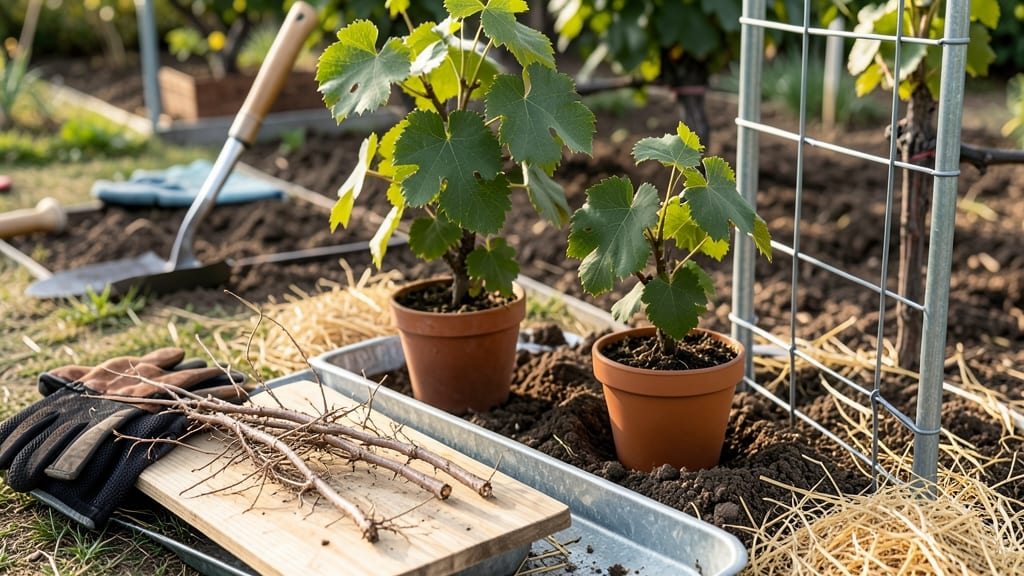
Planting grapes in Georgia at the right time is the key to thriving vines 🍇—and missing that window can mean frost damage or stunted growth before your first harvest.
Georgia’s warm climate and diverse USDA zones (6b–8a) make it a prime location for growing grapes, but timing isn’t just about seasons. Soil temperatures, frost risks, and variety-specific needs all play a role in determining the best planting window.
If you’ve ever watched a young vine struggle after a late frost or seen neighbors’ grapes fail to set fruit, you know how critical the timing is. The difference between a successful harvest and wasted effort often comes down to planting in the ideal late winter to early spring window.
In this guide, I’ll break down the exact months for bare-root and container planting, how to prepare your soil, and which grape varieties thrive best in Georgia’s climate—so you can avoid common mistakes and set your vines up for years of abundant harvests.
Georgia’s ideal grapes planting timeline by USDA Zone (6b–8a)
Georgia’s diverse climate—from the humid subtropical Coastal Plain (Zone 8a) to the cooler Piedmont (Zone 7b)—creates unique planting windows for grapes. The key is aligning your bare-root or potted vines with soil temperatures (50–60°F) and frost-free dates, which vary by region.
In Zone 6b (North Georgia mountains), you’ll plant earlier than in Zone 8a (Savannah), where late frosts are rare. Let’s break down the month-by-month schedule for each zone, including container vs. in-ground tips.
For bare-root vines, the ideal window is late winter to early spring (February–early April), when the ground is workable but dormant buds aren’t swelling.
Container-grown vines offer more flexibility—you can plant them year-round in frost-free zones (8a), but spring (March–April) still yields the best root establishment. Soil temperature is your best guide: Wait until it consistently stays above 50°F at 4 inches deep.
Here’s how Georgia’s microclimates influence your planting timeline. Use this comparison table to pick the best time for your location, whether you’re in Athens (Zone 7b), Macon (Zone 8a), or Blue Ridge (Zone 6b):
| USDA Zone | Last Frost Date | Ideal Planting Window | Soil Temp Threshold | Container Planting Note |
|---|---|---|---|---|
| Zone 6b (North GA Mountains) | Mid-April | March 15–April 15 | 50–55°F (4" deep) | Plant in late April–May to avoid frost |
| Zone 7b (Piedmont: Athens, Gainesville) | Early April | February 28–April 15 | 50–58°F (4" deep) | Year-round possible; best in March–April |
| Zone 8a (Coastal Plain: Savannah, Macon) | Late January | February 1–April 30 | 55–60°F (4" deep) | Plant anytime in frost-free areas |
In Zone 6b, where late frosts linger until mid-April, delay planting until March 15 to avoid bud damage.
For Zone 7b, you can start as early as late February if soil temps are stable, but March–April is ideal for bare-root vines. Zone 8a growers enjoy the most flexibility—plant February–April for in-ground vines or year-round in containers.
If you’re planting container-grown grapes, timing is less critical, but spring (March–April) still maximizes root growth before summer heat. Use 5-gallon pots with drainage holes and well-draining soil (a mix of compost, perlite, and native soil).
Containers warm up faster in spring, so monitor soil moisture closely—drought stress can stunt young vines.
For in-ground planting, prepare your site 4–6 weeks before the ideal window. Amend clay-heavy soils (common in Piedmont) with compost and sand to improve drainage.
Choose a sunny, sloped site (grapes need 6–8 hours of sun) and install a trellis before planting. Bare-root vines should soak in water for 2–4 hours before planting to revive roots.
After planting, mulch heavily (3–4 inches of straw or wood chips) to retain moisture and suppress weeds.
In Zone 6b, add a frost cloth if night temps dip below 28°F in late spring. Water deeply once a week for the first month, then taper to every 10–14 days once established. Avoid overhead watering to prevent fungal diseases like powdery mildew.
Pro tip: Use a soil thermometer to track temps—50°F is the magic number for root growth. If you’re in Zone 8a and planting in February, watch for unpredictable cold snaps (though rare).
For wine grapes (e.g., Muscadine), plant 1–2 weeks earlier than table grapes—they thrive in Georgia’s heat but need a head start.
Remember, late planting (May+) reduces first-year growth and fruit production. If you miss the ideal window, opt for container planting and move vines to the ground next spring. With the right timing, your Georgia grapevines will reward you with bountiful harvests from August–October.
Critical factors that determine the best planting time for Georgia grapes
Planting grapes in Georgia requires more than just picking a spring month—it’s about understanding soil temperature thresholds, local frost patterns, and variety-specific needs. In Georgia’s USDA zones 6b–8a, soil must reach 50–60°F before planting, or young vines risk stunted growth or frost damage.
I’ve learned the hard way that ignoring these factors can turn your $50 investment into a sad, wilted vine.
First, check your last frost date—typically mid-March in most of Georgia. Planting bare-root vines too early (before late February) exposes them to lingering cold snaps, while waiting too long (past early April) delays root establishment. Container-grown vines offer more flexibility but still need stable soil warmth to thrive.
Your grape variety type also dictates timing. Wine grapes like Muscadine or Scuppernong tolerate Georgia’s heat better and can handle slightly later plantings, while table grapes like Thompson Seedless need cooler early springs. I always cross-reference with the University of Georgia Extension’s hardiness maps to avoid zone mismatches.
| Factor | Georgia-Specific Guidance | Actionable Tip |
|---|---|---|
| Soil Temperature | 50–60°F minimum (use soil thermometer) | Plant when 5-day forecast shows no frost risk |
| Frost Risk | Last frost: Mid-March (varies by region) | Use frost cloth if planting early in Zone 6b |
| Variety Type | Wine grapes: Muscadine (later planting); Table grapes: Thompson Seedless (earlier) | Check days to maturity—longer for wine grapes |
| USDA Zone | 6b (cooler Piedmont) vs. 8a (warmer Coastal Plain) | Adjust planting 2–4 weeks later in cooler zones |
Don’t overlook local microclimates. A valley in Zone 7b might frost later than a hillside in Zone 8a. I once planted Cynthiana grapes in early March on a north-facing slope—only to lose half the vines to a surprise frost.
Always consult your county extension office for hyper-local advice. Their frost-free date maps are gold for Georgia growers.
Finally, container planting changes the game. Potted vines warm up faster in spring, letting you plant 2–3 weeks earlier than in-ground varieties. Just ensure your containers have drainage holes and use black plastic mulch to raise soil temps by 5–10°F.
I’ve had success with 5-gallon buckets in my Atlanta backyard—perfect for urban gardeners!
Timing your grape planting isn’t rocket science, but it does require patience and preparation. By mastering these four critical factors, you’ll set your vines up for a bountiful harvest—not a botanical disappointment.
Start with a soil thermometer, check the USDA hardiness map, and plant when the stars (and soil) align. 🍇