
Plants
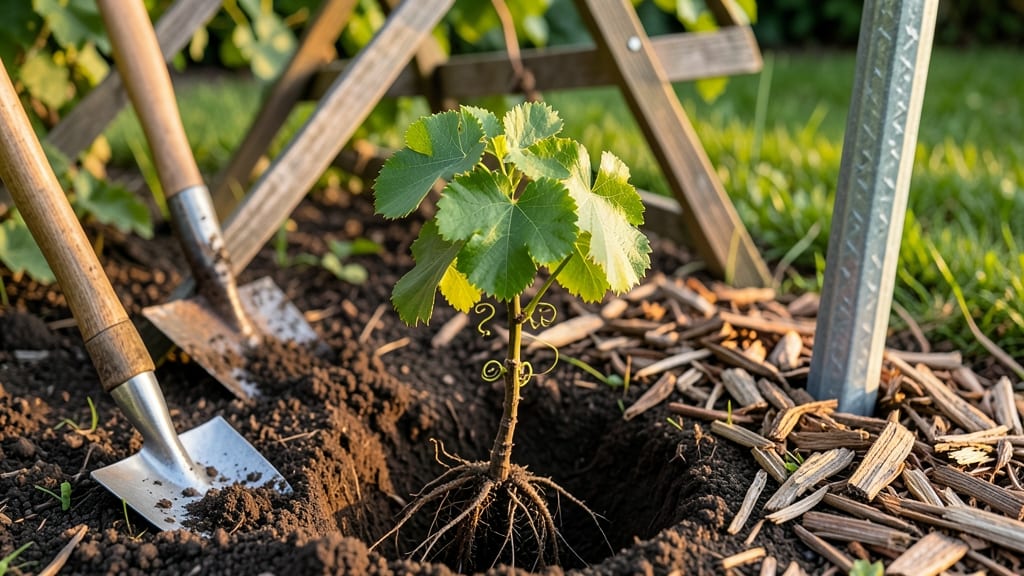
Planting grapes in California depends on the right timing to avoid frost damage and summer stress, with February through April being the critical window for most regions.
California’s diverse microclimates—from coastal foggy zones to scorching Central Valley deserts—mean grape planting timing can make or break your vineyard’s success. Plant too early, and frost kills tender roots; too late, and vines struggle to establish before summer heat.
Whether you’re growing wine grapes or table varieties, the key is matching your location’s frost dates with the grape’s growth cycle. Coastal areas like San Francisco can start as early as February, while inland regions like Bakersfield may wait until April to avoid late frosts.
Below, I break down the exact months for five key regions, including soil prep tips and irrigation tricks to ensure your 🍇 vines thrive from planting to harvest.
California grape planting months by microclimate zone
California’s grape planting success hinges on understanding your local microclimate. Coastal areas like Santa Barbara have mild winters, while the Central Valley faces extreme heat. Each zone demands precise timing to avoid frost damage or summer stress.
Let’s break down the optimal planting windows for California’s five key grape-growing regions, complete with temperature thresholds and frost risk data.
Grapes thrive when planted after the last frost date but before summer’s intense heat. Most California varieties need 60-90 days to establish roots before summer dormancy begins. Coastal regions can plant earlier, while desert areas must wait for soil to warm.
Always check your USDA zone (8a-11) for extra precision—California spans zones 8a through 11, creating wildly different conditions.
Here’s how to align your planting with California’s microclimate realities, including frost-free dates and ideal soil temperatures (60°F+ for root growth).
| Region | USDA Zones | Last Frost Date | Ideal Planting Window | Soil Temp Threshold | Frost Risk |
|---|---|---|---|---|---|
| Coastal (San Francisco Bay, Santa Barbara) | 9b-10 | Mid-February to early March | February 15–March 31 | 60°F+ | Low (coastal fog protection) |
| Central Valley (Sacramento, Fresno) | 9a-10a | Late March to early April | March 20–April 15 | 65°F+ | Moderate (spring frost pockets) |
| Sierra Foothills (Napa, Sonoma) | 8b-9b | Late April to early May | April 1–May 15 | 60°F+ | High (late spring frost risk) |
| Desert (Palm Springs, Coachella) | 10b-11 | None (year-round planting) | October–March (avoid summer heat) | 70°F+ | None |
| North Coast (Redding, Mendocino) | 8a-9a | Early May to June 1 | May 1–June 15 | 55°F+ | Very High (late frosts common) |
The Coastal region offers the earliest planting window, thanks to its mild winters and protective fog. Plant Cabernet Sauvignon or Pinot Noir between February 15 and March 31 for optimal root establishment before summer.
Soil temperatures here rarely drop below 60°F, making early planting low-risk. Use black plastic mulch to warm soil faster if needed.
In the Central Valley, where Thompson Seedless and Zinfandel thrive, timing is critical. Wait until after March 20 to avoid late spring frosts, which can devastate young vines.
The valley’s fast-warming soil (often 70°F+ by April) allows rapid root growth, but irrigation must be consistent to prevent drought stress during establishment.
The Sierra Foothills, home to Napa Valley’s premium wines, demand patience. Late frosts here can linger until May 1, so delay planting until after this date.
Choose cold-hardy varieties like Syrah or Grenache, which tolerate cooler soils. Plant in well-drained slopes to prevent root rot from winter rains.
Desert regions like Palm Springs are unique—no frost risk means you can plant grapes almost year-round. However, summer heat (often 100°F+) makes planting from April–September risky. Opt for October–March planting and use shade cloth or drip irrigation to protect vines during establishment.
The North Coast, including Mendocino and Redding, faces the highest frost risk in California. Delay planting until after June 1 to ensure vines establish before winter. Varieties like Chardonnay and Sauvignon Blanc thrive here but need extra mulch to insulate roots.
Monitor local frost alerts—some years, frosts can occur as late as May 15.
For all regions, bare-root grapes plant best when dormant (late winter/early spring), while potted vines can be planted year-round in frost-free zones. Always amend soil with compost and ensure 6-8 hours of sun daily. Mulch heavily to retain moisture and regulate soil temperature.
Pro tip: Use a soil thermometer to confirm 60°F+ soil temps before planting. In cooler zones, black plastic mulch can raise soil temps by 5-10°F, extending your planting window by weeks.
How to adjust planting time for early/bloom varieties vs. late-season grapes
Not all grapes thrive on the same planting schedule. Early-blooming varieties like Cabernet Sauvignon need February-March planting to establish roots before summer heat, while late-season grapes such as Thompson Seedless prefer April-May timing to avoid spring frosts.
The difference comes down to chilling hours and heat tolerance—two critical factors California gardeners must balance.
Early varieties like Cabernet Sauvignon and Merlot require 300-500 chilling hours below 45°F to break dormancy. Planting them too late means they’ll struggle to harden off before summer’s intense heat.
Meanwhile, Thompson Seedless and Flame Seedless need fewer chilling hours (200-300) and can handle 90°F+ temperatures better, making them ideal for April-May planting.
| Variety | Chilling Hours | Heat Tolerance (°F) | Best Planting Month | Notes |
|---|---|---|---|---|
| Cabernet Sauvignon | 400-500 | 85-95 | February-March | Early bloomer; needs winter chill |
| Merlot | 350-450 | 88-92 | February-March | Moderate heat tolerance |
| Thompson Seedless | 200-300 | 95-100 | April-May | Late-season; drought-resistant |
| Flame Seedless | 250-350 | 90-98 | April-May | High sugar content; late ripener |
| Zinfandel | 300-400 | 95-105 | March-April | Heat-loving; thick skin |
| Syrah | 400-500 | 85-95 | February-March | Early budbreak; frost-sensitive |
For cooler coastal regions (e.g., Sonoma or Santa Barbara), even late-season grapes like Flame Seedless can benefit from March planting to extend the growing season. In contrast, Central Valley gardeners should delay planting Thompson Seedless until late April to avoid spring’s lingering frost pockets.
Always check your USDA zone and local frost dates—last frost in Sacramento can be March 15, while San Diego rarely sees frost.
Adjust your planting window based on your grape’s heat tolerance. Varieties like Zinfandel and Flame Seedless can handle 100°F+ temperatures, making them perfect for Central Valley summers. Meanwhile, Cabernet Sauvignon and Syrah prefer 85-95°F and may need afternoon shade in hotter zones.
Use drip irrigation and mulch to regulate soil temperatures and reduce stress during critical root establishment phases.
Pro tip: If you’re in a transition zone (e.g., Napa Valley or Madera Countycontainer planting for late-season varieties. Containers warm up faster in spring, giving Thompson Seedless a head start.
Just ensure pots have drainage holes and use well-draining soil to prevent root rot—especially in clay-heavy soils common in Central Valley.
Timing isn’t just about the calendar—it’s about matching your grape’s biology to your local climate. Start with early varieties if you have cold winters and long summers, or opt for late-season grapes if your area has mild winters and intense heat.
With the right schedule, your vines will reward you with bountiful harvests year after year. 🍇