
Plants
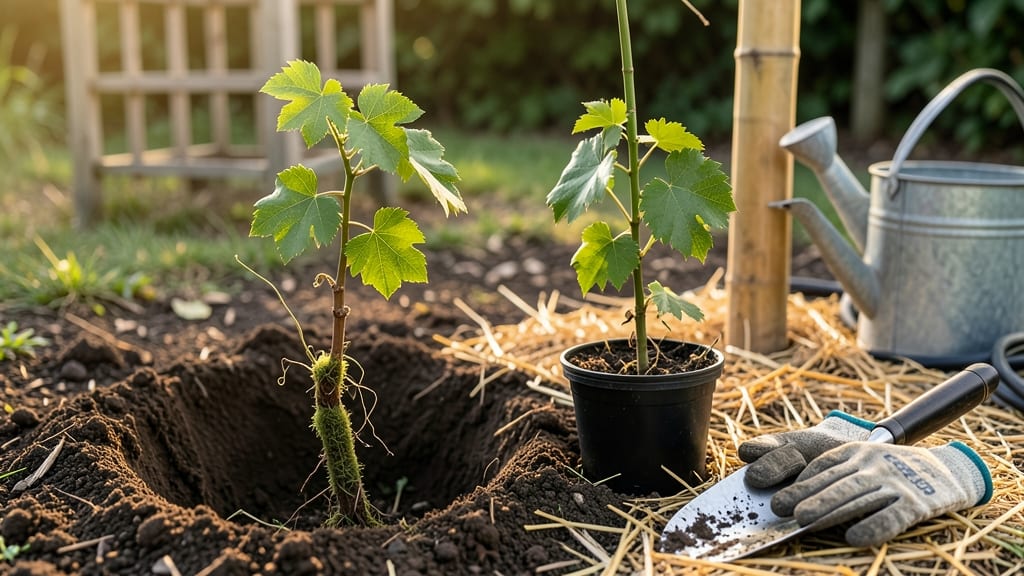
Planting grapes in Texas at the right time means the difference between a thriving vineyard and a failed harvest—so timing is everything.
Texas gardeners know the stakes: plant too early, and frost will strike; too late, and your vines might never establish strong roots. But mastering the perfect window—whether it’s late winter for bare-root varieties or fall for container grapes—can set you up for success.
With USDA zones 8a-10b and unpredictable weather, the best months vary by region. North Texas gardeners should aim for February-March, while South Texas can push planting into September-October without frost risk.
Below, I break down the ideal planting windows by variety, soil prep tips for Texas clay, and protection strategies to keep your 🍇 grapes safe from both frost and scorching heat.
Best months to plant grapes in Texas by variety
Texas's diverse climate—from North Texas's chilly winters to South Texas's balmy springs—means grapes thrive with the right timing. Muscadines and Spanish hybrids handle heat better than delicate French wine grapes, but all need strategic planting to avoid late frosts or summer heat stress.
Let's break down the ideal planting windows for each variety based on Texas's USDA zones 8a-10b.
For North Texas (Zones 8a-8b), where frosts linger until late February, spring planting (February–March) is safest for most varieties. Central Texas (Zone 9a) gardeners can extend planting into early April, while South Texas (Zones 9b-10b) offers a longer window—September–October for fall or February–March for spring—thanks to milder winters.
Here’s a quick comparison of the best planting months for Texas-adapted grape varieties:
Muscadine grapes are the most forgiving, thriving in both spring and fall across Texas. Their thick skins protect them from summer heat and winter cold, making them ideal for beginners. Plant them 2–3 months before your last frost date to ensure roots establish before summer’s intensity.
If you’re growing Spanish table grapes, prioritize spring planting in March–April. These varieties are less cold-hardy and can suffer damage if planted too early in North Texas. For container-grown vines, you can start as early as February in a protected spot, then transplant after the last frost.
French hybrid grapes, like Chambourcin or Norton, strike a balance but still need careful timing. In North Texas (Zone 8a), stick to spring planting—fall risks frost damage to young roots. In Central and South Texas, you can attempt September planting, but mulch heavily with straw or wood chips to insulate roots.
For wine grapes, such as Cabernet Sauvignon or Merlot, spring is non-negotiable. These varieties demand consistent moisture and temperature control, which Texas’s summer heat can disrupt. Plant them in March–April and provide drip irrigation to maintain soil moisture during fruiting.
Pro tip: Use row covers or frost cloth for early spring plantings in North Texas. Even a few degrees of frost can kill young vines, so monitor local frost alerts and have protection ready.
In South Texas, focus on shade cloth during summer to prevent sunburn on tender new growth.
Remember, soil temperature matters too. Grapes won’t sprout until soil reaches 60°F (15°C). Use a soil thermometer to check before planting—especially in North Texas, where cold soils delay growth. In South Texas, soil warms quickly, so late winter plantings can proceed earlier.
🍇
How to adjust planting time for Texas climate challenges
Texas's unpredictable climate—from brutal winter freezes to scorching summer heat—makes grapes a tricky but rewarding crop. In East Texas, where humidity lingers, you’ll face different risks than in West Texas, where drought and intense sun demand extra care.
The key? Adjusting your planting window based on your microclimate and soil type to avoid frost damage and heat stress.
For most Texas gardeners, late winter to early spring (February-March) is the safest window for bare-root grape vines. However, fall planting (September-October) can work in warmer zones like South Texas, where frost is rare. The challenge? Balancing root establishment before the first freeze or summer’s relentless heat.
⚠️ callout-warning
⚠️ Texas Frost Risk: Don’t Plant Too Early!
North Texas (Zones 7b-8a): Last frost averages February 15. Plant 4-6 weeks before to avoid cold snaps. Use row covers if early planting is necessary.
Central/South Texas (Zones 8b-10a): Frost is rare, but unpredictable late freezes can occur. Fall planting is safer for heat-sensitive varieties like French hybrids.
Pro Tip: Check your local frost dates (via Texas A&M AgriLife) and adjust planting by 2-3 weeks if your area runs colder.
Soil conditions play a critical role in timing. Clay-heavy soils in East Texas retain moisture but can suffocate roots in summer. Amend with compost and sand to improve drainage, then plant 2-3 weeks earlier than the general guideline to give roots time to establish before heat stress kicks in.
In West Texas, where alkaline soils and drought are common, prioritize deep watering and mulch heavily to retain moisture. Plant drought-tolerant varieties like Spanish grapes in late February to avoid summer’s extreme heat. If planting in fall, choose September to ensure roots harden off before winter.
Microclimates matter! Low-lying areas in East Texas pool cold air, increasing frost risk. Plant on slopes or raised beds to improve airflow and warmth. In urban areas, heat islands can push planting dates 1-2 weeks later—monitor your specific zone’s last frost data.
For container grapes, adjust timing by 2 weeks earlier than in-ground plants. Pots dry out faster and struggle with heat retention. Use black plastic pots to absorb heat and plant in partial shade during peak summer to prevent root burn.
Remember: Young vines are most vulnerable. Whether you plant in spring or fall, prioritize mulching with straw (3-4 inches deep) to regulate soil temperature and retain moisture. In North Texas, add an extra layer of mulch in November to protect against winter dieback.