
Plants
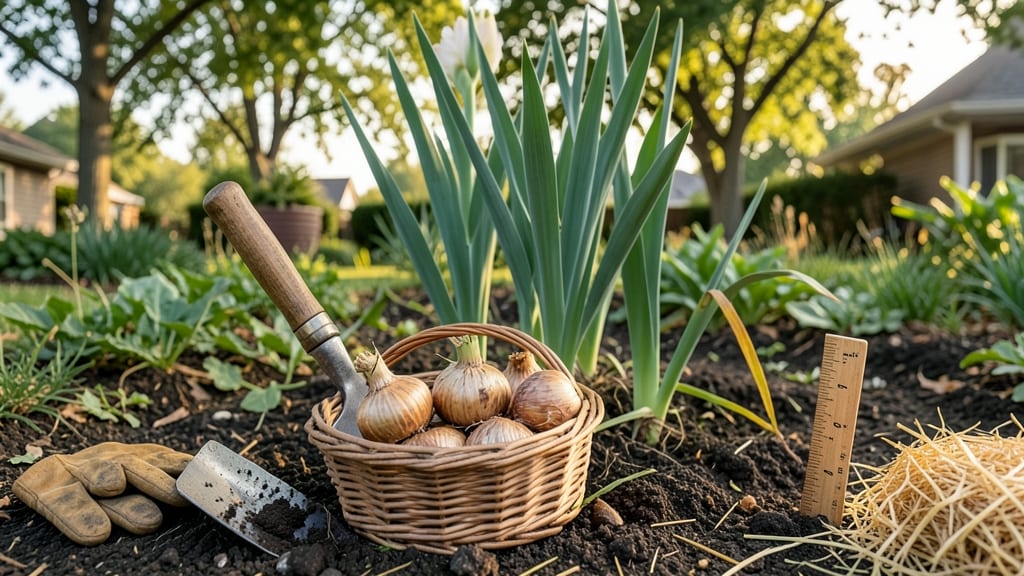
Planting gladiolus bulbs in Wisconsin after the last frost—typically mid-May—sets the stage for showstopping summer blooms 🌸.
Wisconsin’s short growing season demands precision timing—plant too early and bulbs rot in cold soil, too late and blooms arrive after frost. Get the exact planting window for USDA Zones 4-5 to maximize your garden’s stunning summer color.
Northern Wisconsin gardeners (Zone 4) should aim for late May to early June, while southern regions (Zone 5) can start as early as mid-May. Soil temperature is the real key: wait until it warms to 55°F for roots to establish without stress.
Below, I break down the exact dates by region, how to adjust for late frosts, and the one mistake that kills gladiolus before they even sprout. Ready to grow taller-than-you blooms? Let’s get started.
Exact gladiolus planting dates for Wisconsin’s USDA Zones 4-5
Wisconsin’s USDA Zones 4-5 create a tight window for planting gladiolus bulbs. These showy summer bloomers need warm soil (55°F+) and frost-free conditions to thrive, making timing critical. Plant too early and bulbs rot; too late and blooms arrive after first fall frosts.
Let’s break down the ideal planting schedule for your region, accounting for Wisconsin’s northern vs. southern microclimates.
Most Wisconsin gardeners aim for mid-May to early June planting, but exact dates shift by 1-2 weeks based on your location. Southern Wisconsin (e.g., Milwaukee, Madison) can start 2 weeks earlier than northern areas (e.g., Green Bay, Duluth).
Always check your last frost date—gladiolus bulbs need 4-6 weeks of warm soil before blooming.
Here’s your region-specific planting timeline, including backup dates for late starts:
| Region | Primary Planting Window | Backup Window (Late Start) | Soil Temp Threshold | Notes |
|---|---|---|---|---|
| Southern WI (Zones 5a-5b) | May 15–June 1 | June 1–15 (smaller blooms) | 55°F+ (13°C+) | Warmer microclimates near Lake Michigan can start 1 week earlier. |
| Central WI (Zones 4b-5a) | May 25–June 10 | June 10–25 (risk of late blooms) | 55°F+ (13°C+) | Use row covers if planting near last frost dates. |
| Northern WI (Zones 4a-4b) | June 1–15 | June 15–30 (limited blooms) | 60°F+ (16°C+) | Consider container growing for earlier starts in protected microclimates. |
For succession planting, repeat the process every 2-3 weeks until July 15 to extend blooms through September. This works especially well in southern Wisconsin, where the growing season is longer. In northern regions, limit to one planting for reliable blooms before frost.
Always test your soil temperature before planting—use a soil thermometer to confirm 55°F+ at 4-inch depth. Cold soil delays growth and invites rot diseases. If your soil is still chilly, wait 1-2 weeks or use black plastic mulch to warm it faster.
Pro tip: Northern Wisconsin gardeners can cheat the system by starting bulbs indoors in late April. Plant them in 6-inch pots with well-draining mix and move outdoors after last frost. This gives you a 2-week head start on the season.
Watch for late-spring frosts—even after your average last frost date. Use frost cloth or row covers for the first 2 weeks post-planting. Gladiolus are tender perennials; they’ll bolt if shocked by cold.
If you miss the ideal window, don’t panic! You can plant gladiolus bulbs in early August for fall blooms, though they’ll be smaller. Just reduce fertilizer and water as days shorten. This works best in southern Wisconsin with longer daylight.
Remember: Gladiolus bulbs are not winter-hardy in Wisconsin. After first frost (typically mid-October), dig up bulbs, let them dry, and store in a cool, dark place until next spring. This protects them from freeze-thaw cycles and rodent damage.
🌸
How Wisconsin’s frost dates affect gladiolus success
Wisconsin’s frost dates are the #1 factor in gladiolus success—more critical than calendar months. These tender bulbs rot in cold soil (40°F or below) but need 60+ days to bloom after planting. Miss the window, and you’ll either lose your bulbs or get frost-nipped flowers.
Last-frost dates in Wisconsin vary 3+ weeks between northern (USDA Zone 4b) and southern (Zone 5) regions. For example, northern Wisconsin’s last frost often hits May 20-30, while southern areas may see frost-free soil by May 10-20.
This variability means local frost records—not just average dates—dictate your planting schedule.
⚠️ WARNING: Late frost risk in Wisconsin ⚠️
Even if you plant at the "right" time, a late-May frost (which happens 3-5 years per decade in Wisconsin) can devastate your gladiolus. I’ve seen entire gardens of 6-inch-tall shoots crisped overnight—heartbreaking after all that prep! The key is adjusting your planting window based on recent frost history, not just averages.
For northern Wisconsin gardeners, aim to plant 2-3 weeks after your area’s last frost date—typically June 1-15. This delays blooming slightly but ensures frost-free flowering (usually July-August).
In southern Wisconsin, you can push planting to late May, but always verify soil temperature with a soil thermometer—gladiolus bulbs need consistent warmth to thrive.
Recognizing frost damage in gladiolus is simple: look for blackened, mushy shoots or brown streaks on leaves. Damaged foliage won’t recover, but the bulb itself may survive if roots are intact.
To protect your investment, mulch heavily after planting (use straw or shredded leaves) to insulate bulbs from soil temperature swings—a game-changer in Wisconsin’s unpredictable spring.
Pro tip: Succession planting is your secret weapon. Split your bulbs into two batches: plant the first 2 weeks after last frost for July blooms, then plant a second batch 4 weeks later for August-September flowers.
This stretches your display and reduces frost risk for later plantings. Just remember—never plant after July 15 in Wisconsin, or your gladiolus won’t have enough time to mature before frost.
🌸 Final takeaway: Wisconsin’s frost dates aren’t just numbers—they’re your garden’s lifeline. Use local frost records, soil thermometers, and row covers to outsmart Mother Nature. With the right timing, you’ll enjoy bold, healthy gladiolus blooms that last from July through September—worth every extra week of planning!