Flowers
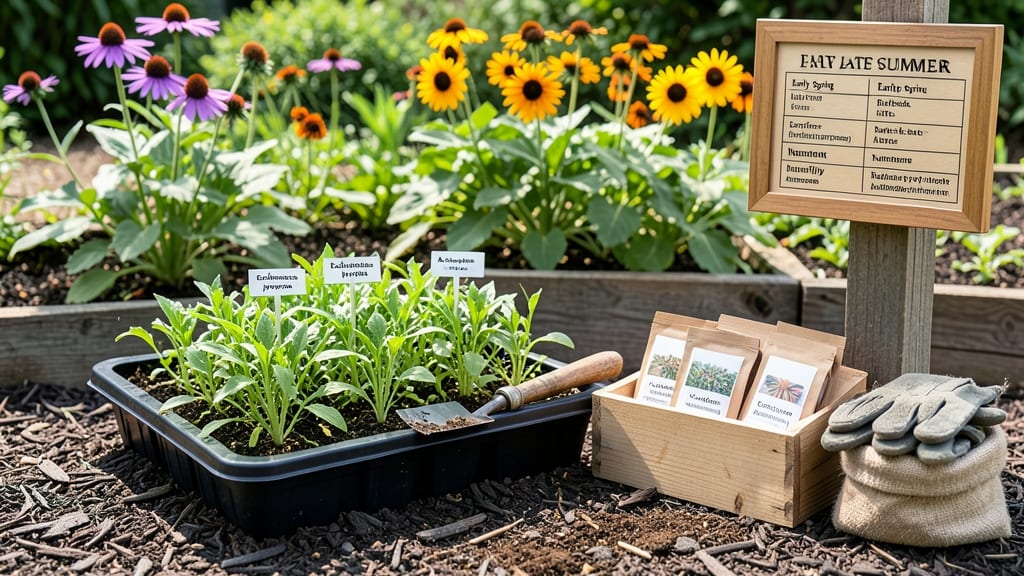
To plant flowers in Nebraska at the right time means catching that narrow window between frost and heat—usually March-April for spring and August-September for fall.
Nebraska’s unpredictable spring frost and scorching summers can make timing your flower planting a real challenge—but getting it right means vibrant blooms all season long.
Whether you're a first-time gardener or a seasoned pro, knowing the perfect planting windows for your USDA Zone 5-6 location is key to avoiding wasted seeds and maximizing beauty.
Most annuals like zinnias and marigolds need the soil to warm to at least 60°F before they go in, while hardy perennials like coneflowers can handle cooler temps. Bulbs, on the other hand, need to be planted 6-8 weeks before the last frost date—typically by early February.
Below, I’ll break down the best planting schedule by month, share Nebraska-specific tips for handling late frosts, and recommend the toughest flowers for your garden. Ready to turn your yard into a blooming paradise?
Nebraska’s ideal flower planting calendar by month (USDA zones 5-6)
Timing your flower planting in Nebraska can feel like a high-stakes game of chance—one late frost, and your tulips could turn to mush! But with the right schedule, you’ll enjoy continuous blooms from spring to fall.
The key lies in understanding your last frost dates (typically April 15 in Omaha and May 1 in rural areas) and soil temperatures. Urban areas like Lincoln often warm up faster than rural zones, so adjust accordingly.
For annuals like zinnias and marigolds, wait until the soil reaches 60°F—usually mid-May—while hardy perennials like coneflowers can handle cooler temps. Bulbs like daffodils and tulips should be planted in fall (September-October) to establish roots before winter.
Let’s break it down month by month to keep your garden thriving.
In March, focus on perennials like peonies and spring-blooming bulbs (if planted in fall). Soil temperatures hover around 45-55°F, perfect for lavender and coneflowers. If you’re eager to start annuals, begin seeds indoors under grow lights.
For Omaha gardeners, wait until mid-March to avoid frost damage, while Lincoln’s warmer microclimate may allow earlier planting.
By April, most of Nebraska’s last frost dates have passed (except rural areas), making it safe to plant cool-season annuals like pansies and sweet peas. Test your soil—ideal pH for
How to adjust your planting schedule for Nebraska’s unpredictable weather
Nebraska’s unpredictable frost dates and swinging temperatures can turn a perfect gardening plan into a gamble. One year, your tulip bulbs might bloom early, while the next, a late frost could wipe them out.
The key is flexibility—knowing how to delay, extend, or protect your planting schedule based on real-time conditions. For example, zinnias and marigolds can handle heat better than petunias, so they’re safer bets if summer arrives early.
Start by checking your local last-frost date, which typically falls around April 15 in most of Nebraska. However, rural areas can experience frost 2-3 weeks later than cities like Omaha. Use this as a baseline, not a rule.
For high-value plants like peony bushes or daylilies, consider soil warming techniques to jumpstart growth in cooler springs. A simple black plastic mulch laid over garden beds in early March can raise soil temps by 10-15°F, giving tender seedlings a head start.
⚠️ WARNING: Nebraska’s Late Frosts Can Wreck Your Garden Don’t rely on calendar dates—late frosts after May 10 are common, especially in USDA Zone 5a areas.
Here’s how to protect your plants: - Use frost cloth (not plastic) for delicate annuals like impatiens or snapdragons—it lets light and air through while blocking cold. - Opt for container gardening for heat-sensitive plants like coleus or begonias; move pots indoors or under a porch if frost is forecasted. - Plant cold-hardy annuals like pansies or sweet alyssum early—they survive light frosts and bloom faster than slower-starting perennials. - Avoid planting tender bulbs (e.g., dahlias or cannas) until after Memorial Day unless you’re using row covers.
For extended-season gardening, container gardens are your best friend. Fill pots with heat-tolerant flowers like zinnias or portulaca, which thrive in full sun and dry conditions. Place them on casters so you can roll them into shade during heatwaves or under eaves if frost threatens.
This method also lets you stagger planting—sow marigold seeds every 2 weeks from May to July for continuous blooms.
Drought is another Nebraska wildcard. If your area faces water restrictions or dry spells, prioritize drought-resistant perennials like coneflowers or black-eyed Susans. These plants store water in their roots and rebound quickly after dry periods.
For annuals, zinnias and lantana are top picks—they flower prolifically even with minimal watering. Mulch heavily (3–4 inches of straw or wood chips) to retain moisture and regulate soil temperature.
Don’t overlook fall planting as a strategy to beat Nebraska’s weather. Many cool-season flowers like pansies or snapdragons thrive when planted in early September. They’ll establish roots before winter and bloom early next spring, giving you a head start.
For bulbs, plant tulips and daffodils by October 15—this ensures they’re rooted before the ground freezes, protecting them from heaving (when soil freezes and thaws, pushing bulbs out of the ground).
Finally, keep a planting journal to track what works in your microclimate. Note which annuals survived late frosts, which perennials rebounded after drought, and which containers stayed frost-free. Over time, you’ll spot patterns—like how your south-facing bed warms up faster than the north side—and adjust your schedule accordingly.
With these tactics, you’ll turn Nebraska’s weather quirks into opportunities for a longer, lusher blooming season. 🌸