
Flowers
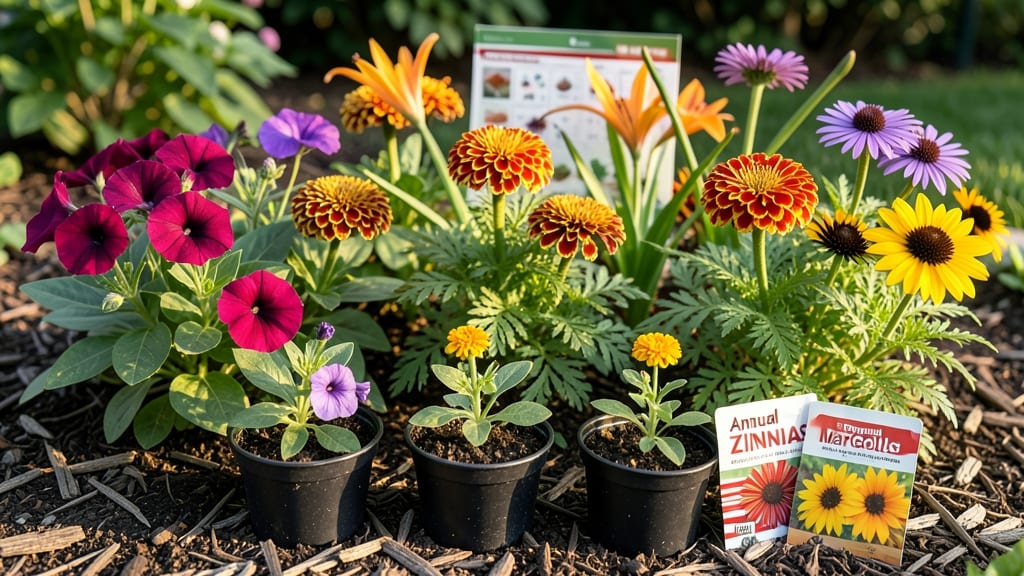
Planting flowers in Connecticut at the right time means the difference between a vibrant garden and a frost-killed disappointment — and the exact months depend on your frost zone.
Connecticut’s unpredictable spring frost can turn your dream garden into a sad, frozen mess unless you know the exact planting windows for your zone. Whether you’re planting annuals like petunias or perennials like daylilies, timing is everything.
Most Connecticut gardens thrive when flowers go in the ground between late April and early June, after the last frost date. But fall planting (August to early September) is also a smart move for hardy varieties like chrysanthemums.
In this guide, I’ll break down the best planting months for your specific frost zone, plus pro tips to beat early frosts and extend your blooming season.
Connecticut’s frost zones: which months to plant flowers by region
Connecticut’s USDA frost zones 5a-6b create a delicate balance for gardeners. The last spring frost typically arrives between April 15 and May 15, while the first fall frost hits October 15-31, depending on your region. Knowing these dates is critical to avoid frost damage to tender plants.
Coastal areas like New Haven tend to have milder winters (Zone 6b), while inland cities like Hartford experience colder snaps (Zone 5b-6a). Microclimates near bodies of water or urban heat islands can shift frost dates by 1-2 weeks, so always check local records.
🌱 Key rule: Wait until soil reaches 60°F (15°C) and nighttime temperatures stay above 50°F (10°C) before planting frost-sensitive flowers like petunias or marigolds. For hardy perennials, you can plant as early as late March in milder zones.
🌿 Pro tip: Use the National Weather Service’s frost calendar or your local CT agricultural extension office for precise dates. These resources account for year-to-year variations that affect your planting timeline.
| Zone | Region | Last Frost | First Frost | Spring Planting | Fall Planting |
|---|---|---|---|---|---|
| 5a | Northern CT (e.g., Torrington) | May 1-15 | October 15-31 | Late May - Early June | August 1-15 |
| 5b | Inland (e.g., Hartford) | April 25 - May 10 | October 10-25 | Late April - Early May | August 15-31 |
| 6a | Southern CT (e.g., New Haven) | April 15-30 | October 20-31 | Early April - Late April | September 1-15 |
| 6b | Coastal (e.g., Stamford) | April 1-15 | November 1-15 | Late March - Early April | September 15-30 |
For annual flowers like geraniums or zinnias, wait until after the last frost date to plant seeds or seedlings outdoors. These tender plants won’t survive even a light frost.
In Zone 5a, this often means waiting until late May, while Zone 6b gardeners can start as early as late March.
🌹 Perennials are more forgiving. Hardy varieties like coneflowers or daylilies can be planted in early spring (March-April) or early fall (September-October). Fall planting gives roots time to establish before winter, leading to earlier blooms the following year.
💧 Bulbs like tulips and daffodils should be planted in fall (September-October) for spring blooms. The cooler temperatures help them establish roots before dormancy. In Zone 5a, aim for early September planting, while Zone 6b allows until mid-October.
🌿 Container gardening offers flexibility. You can start tender annuals indoors in February-March and transplant them outdoors after the last frost. This extends your growing season by 4-6 weeks compared to direct sowing.
✂️ Microclimates matter: A sunny, south-facing slope warms up faster than a shady valley. If your garden has these variations, plant frost-sensitive flowers on the warmest spots first. Use row covers or cloche tunnels to protect early plantings from unexpected late frosts.
🌱 Final tip: Keep a planting journal to track your local frost dates and adjust future years. Over time, you’ll refine your timeline to match your garden’s unique conditions.
Best flowers to plant in CT by season: timing for full-bloom success
Timing is everything when planting flowers in Connecticut, where last frost dates can vary by two weeks from coastal areas to inland valleys. For Zone 5a (northern CT), aim for mid-May planting, while Zone 6b (southern CT) gardeners can start as early as late April.
The key is matching cold-hardy varieties to early seasons and heat-tolerant blooms to summer's peak.
Spring is the busiest season, but don't overlook fall planting—many perennials thrive when planted in September for stronger root establishment before winter. Annuals like marigolds and zinnias can even handle light frosts, while tulips and daffodils need early fall or late winter planting for spring blooms.
-
🌱 Early Spring (March-April)
Plant tulip bulbs and daffodils in October-November for spring blooms. Pansies and violas tolerate light frost—sow seeds or transplant after last frost (typically mid-April). -
☀️ Late Spring (May)
Best for annuals like petunias, geraniums, and impatiens. Transplant perennials such as black-eyed Susans and daylilies after soil warms to 60°F. -
🌞 Summer (June-July)
Sow heat-loving annuals: sunflowers, cosmos, and lantana. Deadhead perennials like coneflowers to encourage reblooming. -
🍂 Fall (August-September)
Plant fall-blooming bulbs (crocuses, aster) and hardy perennials (sedum, Russian sage). Pansies and kale thrive in cool weather. -
❄️ Winter Prep (October-November)
Divide crowded perennials (e.g., peony, iris) and mulch tender plants (lavender, rosemary) for winter protection.
For Zone 5a gardeners, prioritize cold-resistant varieties like shasta daisies and bee balm, which bounce back from frost. In Zone 6b, extend your season with heat-tolerant annuals such as portulaca and verbenas, which thrive in 90°F+ temperatures.
Always check local frost dates—CT’s coastal areas (e.g., New London) warm up 2 weeks earlier than inland zones.
Pro tip: Use row covers to plant 2-3 weeks earlier in spring or extend fall blooms by 4-6 weeks. For container gardening, move pots to protected spots during late-night frosts in May or September. Mulch heavily in Zone 5a to protect tender perennials like canna lilies.
Don’t wait until Memorial Day to plant—some fast-growing annuals (like basil or marigolds) can outpace slower perennials if started too late. Aim for continuous color by staggering plantings: early spring for pansies, mid-spring for petunias, and late summer for cosmos to fill gaps as blooms fade.
When in doubt, consult your local CT agricultural extension for hyper-local frost data. Many nurseries in Hartford or New Haven offer free planting guides tailored to your microclimate. With the right timing, your CT garden can burst into color from March through October—no frost damage required! 🌷