
Companion Plants
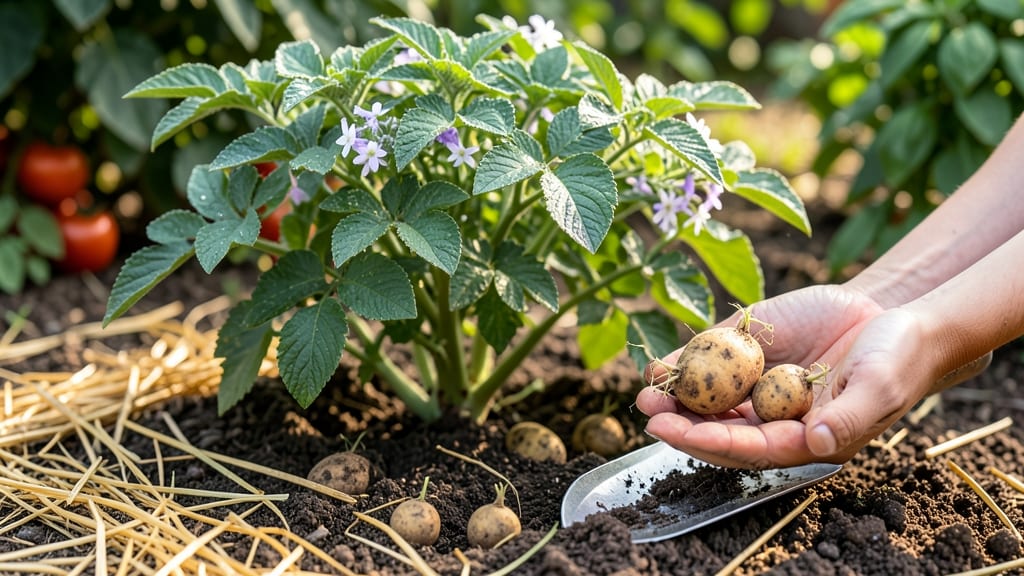
Planting fall potatoes in Louisiana means timing your harvest to beat the frost—aim for September to October to ensure tender spuds before winter arrives.
Louisiana’s long growing season and humid climate make fall potatoes a gardener’s dream—but planting too early or late can ruin your harvest before winter frost. If you miss the window, you’ll end up with shriveled tubers or no harvest at all, leaving your Thanksgiving table empty.
This guide breaks down the exact 4–6 week window before your first frost, soil prep tricks for Louisiana’s heavy clay, and the heat-tolerant varieties that thrive here.
You’ll learn how to adjust for your microclimate, spot early signs of stress, and even extend your harvest if frost sneaks in early—so you can dig up a bounty of golden, frost-free potatoes.
Louisiana’s fall potato planting calendar by microclimate zone
Fall potatoes thrive in Louisiana’s warm climate, but timing varies dramatically across the state’s three distinct microclimates.
In North Louisiana (Shreveport), cooler nights arrive earlier, while South Louisiana (New Orleans) stays balmy until December. Central Louisiana (Baton Rouge) offers a middle ground—but even small differences in frost dates mean the difference between a bumper crop and a failed harvest.
Let’s break down the ideal planting windows for each zone to ensure you harvest tender spuds before winter frost.
Your first frost date is your planting deadline’s anchor. In Louisiana, first frost typically arrives between November 15 and December 15, but urban heat islands (like New Orleans) can delay frost by 2-3 weeks.
For fall potatoes, you’ll want to plant 4-6 weeks before your expected frost date to allow tubers to mature before temperatures dip below 40°F (4°C). This timing ensures your potatoes reach harvest size without suffering frost damage.
Here’s the critical rule: Soil temperatures must stay above 50°F (10°C) for potatoes to sprout and grow. In Louisiana’s fall, this means waiting until late August or early September in the north, while southern zones can plant as late as mid-October.
Below, you’ll find a zone-by-zone breakdown of planting windows, heat-tolerant varieties, and harvest targets to help you plan for a successful fall crop.
🌱 Pro Tip: Use a soil thermometer to confirm temperatures before planting. Potatoes won’t germinate well in soils below 50°F (10°C), even if air temperatures feel warm. This is especially critical in North Louisiana, where cooler nights can drop soil temps faster.
In North Louisiana (Shreveport), where nights cool faster, aim to plant by early September to avoid stunted growth from dropping soil temps. Red LaSoda and Kennebec are excellent choices—they tolerate cooler soils and mature quickly (70-80 days).
If you’re aiming for a Thanksgiving harvest, prioritize these varieties and plant by August 25 to ensure tubers reach 2-3 inches in diameter before frost.
For Central Louisiana (Baton Rouge), your window stretches into mid-September, giving you more flexibility. Here, LaRouge and Purple Viking shine—they handle Louisiana’s heat and humidity while resisting common diseases like scab and blight.
If you’re growing for storage, Desiree is a top pick; its thick skin protects tubers through winter. Plant by September 15 for a harvest by mid-November.
Southern Louisiana’s New Orleans microclimate is the most forgiving, with frost often arriving after December 15. This means you can plant as late as early October and still harvest before winter. German Butterball and Red Pontiac are ideal—they thrive in warm soils and produce large, creamy tubers.
For an extended harvest, consider sweet potatoes (Ipomoea batatas), which mature even later and handle Louisiana’s humidity beautifully.
💡 Key Insight: Louisiana’s humid climate can accelerate potato diseases like late blight. To mitigate risks, always use certified disease-free seed potatoes and rotate planting locations yearly. If you notice dark spots on leaves or soft, mushy tubers, act fast—remove affected plants and treat with copper fungicide to protect your crop.
If you’re targeting a late fall harvest (after November 1), focus on longer
How to time your planting for zero-frost harvests in Louisiana
Timing your fall potato planting in Louisiana requires precision—especially when aiming for a zero-frost harvest. The key is balancing soil temperatures, daylight hours, and variety maturity to avoid winter chill damage.
Since Louisiana’s first frost typically arrives around December 1, you’ll need to plant 80–100 days before that date for most varieties. But don’t stress: with a few calculations, you can pinpoint the perfect window for your microclimate.
Start by checking your local frost date averages. In North Louisiana (Shreveport), frost often hits earlier (November 20–December 5), while South Louisiana (New Orleans) enjoys later frosts (December 10–15). Central Louisiana (Baton Rouge) falls somewhere in between.
Use these dates as your harvest deadline and work backward to determine planting windows. For example, if you want tubers ready by Thanksgiving, plant ‘Yukon Gold’ (90-day variety) by early September.
Here’s your step-by-step guide to calculating the ideal planting date for frost-free potatoes in Louisiana:
Check your local USDA Plant Hardiness Zone (Louisiana ranges from 8a–9b). Use the average first frost date for your area (e.g., December 1 for most of the state). Adjust 2–3 weeks earlier if you’re in a cooler microclimate (e.g., hilltops or northern parishes).
Choose a heat-tolerant, early-to-mid season variety like ‘Red LaSoda’ (80 days) or ‘Yukon Gold’ (90 days). Avoid late varieties (110+ days) like ‘Russet’, which won’t mature before frost. Write down the days to maturity for your chosen variety.
Subtract the days to maturity from your target harvest date (e.g., December 1 – 90 days = September 2 for ‘Yukon Gold’). For a Thanksgiving harvest, aim to plant by mid-September. Use this formula: Planting Date = Harvest Date – Days to Maturity – 7 (buffer days).
Potatoes thrive in soil temps between 50°F–70°F. Use a soil thermometer to confirm your planting window aligns with these temps. In Louisiana, soil temps drop below 60°F by late October in northern areas, so plant ‘Red LaSoda’ by mid-September to avoid slow growth.
For early harvests (October–November), plant ‘Red LaSoda’ (80 days) by early September. For late harvests (December), opt for ‘Yukon Gold’ (90 days) and plant by mid-September. Avoid planting after October 15—tubers won’t mature before frost, and chilling injury risks increase.
To delay frost damage, use row covers or black plastic mulch to warm soil. For extra protection, plant in raised beds—they warm up faster and drain better in Louisiana’s humid climate. Harvest gradually as tubers reach size, leaving some in the ground until mid-November if frost is delayed.
Pro tip: Louisiana’s humid climate can accelerate disease pressure in fall plantings. Space your seed potatoes 12–15 inches apart and use disease-resistant varieties like ‘LaRouge’ to minimize blight risks. Monitor your plants for yellowing leaves or stunted growth—these are early signs of stress or disease.
By following these steps, you’ll ensure your fall potatoes mature just before frost, giving you a bountiful, zero-frost harvest. Whether you’re aiming for Thanksgiving dinner or holiday gifts, precise timing is the secret to success in Louisiana’s unpredictable fall weather. Happy planting! 🥔