Planting
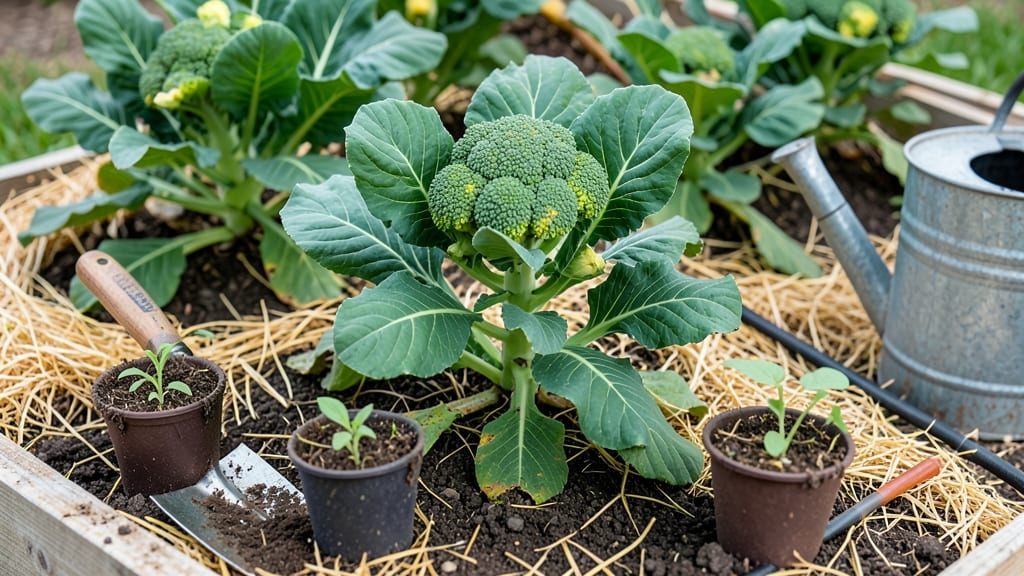
Planting a fall garden in Florida means timing your crops to beat the heat and humidity—August through October is your sweet spot for heat-tolerant greens, roots, and herbs that thrive before winter sets in.
Florida’s long growing season makes fall gardening a goldmine—but planting too early or too late can mean wilted dreams instead of a bountiful harvest. Timing is everything, and these heat-tolerant crops thrive only in Florida’s narrow fall window.
If you’ve ever watched your seedlings struggle under lingering summer heat or bolt before harvest, you know the stakes. The key is choosing the right crops for your region—whether you’re in North Florida’s cooler pockets or the steamy South—and planting them at the perfect moment.
In this guide, I’ll break down the exact months to plant by zone, the top 10 heat-tolerant crops that perform best, and how to avoid common mistakes that sabotage Florida gardens. Let’s get those 🌱 roots in the ground the right way.
Best fall planting months in Florida by region (exact dates for success)
Florida’s fall season offers a perfect window for planting heat-tolerant crops like sweet potatoes, collards, and okra. Unlike northern states, Florida’s frost-free climate means you can extend your harvest well into winter—if you plant at the right time.
The key is understanding your region’s unique microclimate, as North Florida cools faster than South Florida, creating distinct planting zones.
Timing your fall garden correctly means avoiding heat stress in early plantings while maximizing growth before cooler temperatures slow things down. For most Florida gardeners, the ideal window starts in late August and stretches through October, but exact dates vary by region.
Let’s break it down so you can plant with confidence and avoid common mistakes like bolting greens or stunted root crops.
📅 Pro Tip: Use the 86°F soil temperature rule—wait until soil cools below this mark before planting heat-sensitive crops like leafy greens. In Florida, this typically aligns with late August in the North and early September in the South.
If you’re in North Florida, aim to plant collards and mustard greens by September 15 to give them time to mature before cooler temps set in. These crops can handle light frosts, but they’ll bolt (go to seed) if planted too late.
For sweet potatoes, start slips (young plants) in late August—they need 90–120 days to harvest, so don’t wait too long!
In Central Florida, the window is slightly later due to warmer soil. Peppers and eggplants thrive when planted in early September, while leafy greens like Malabar spinach can handle the heat better than traditional lettuce. Use shade cloth for seedlings to prevent stress from intense afternoon sun.
For South Florida gardeners, the real magic happens in September and October. This is prime time for okra and cowpeas, which love the warm soil and long days.
Since frost is nearly nonexistent, you can even plant a winter crop like carrots in November for an early spring harvest. Just ensure your soil stays well-draining—Florida’s humidity can lead to fungal issues if water pools.
One critical mistake I see in Florida fall gardens? Planting cool-season crops like broccoli or cabbage too early. These won’t survive the summer heat, even if you’re eager to start. Stick to heat-tolerant varieties like Tropicana spinach or Heatmaster collards, which are bred to thrive in Florida’s climate.
To extend your harvest, consider succession planting. For example, sow black-eyed peas every 2–3 weeks from September through October. This ensures a steady supply of fresh pods instead of a single overwhelming harvest.
Pair this with mulching to keep soil temps stable and reduce watering needs—Florida’s fall humidity means plants dry out faster than you’d expect.
Finally, don’t forget to monitor humidity levels. High humidity can promote disease pressure, especially for crops like okra and squash. Space plants properly (check seed packets for spacing guidelines) and water at the base of the plant in the morning to minimize fungal risks.
With these region-specific tips, your fall garden will be thriving well into the cooler months—no wilted dreams here!
🌱
Top 10 heat-tolerant fall crops for Florida gardens (with planting depth & spacing)
Florida’s fall season offers the perfect window to grow crops that thrive in warm soil and humid air—but not all vegetables make the cut. These 10 heat-tolerant varieties are bred to flourish when daytime temps hover between 75°F and 85°F, ensuring a long harvest before cooler weather arrives.
Unlike northern gardens, Florida’s lack of frost means you can push your planting window later, but timing still matters to avoid bolting or poor yields.
For best results, focus on leafy greens, legumes, and root vegetables that handle Florida’s high humidity and sandy soil. Start by amending your soil with compost and aged manure to improve drainage—Florida’s clay-heavy soils can suffocate roots if too dense.
I’ve grown these crops in North, Central, and South Florida, and the spacing and depth rules below are what actually work in real-world conditions, not just textbook advice.