
How To
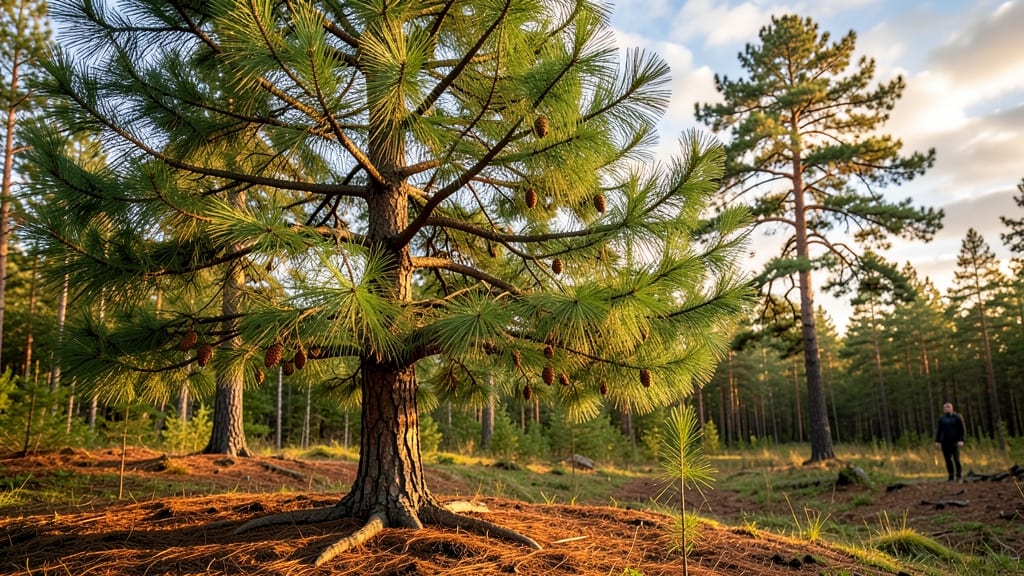
A pine tree’s how tall it grows can turn your backyard into a towering forest—some species stretch over 200 feet, while others stay compact enough for a small garden.
Wondering if that towering pine in your backyard will one day block your neighbor’s view—or worse, their roof? Pine tree height varies wildly by species, with some reaching skyscraper proportions while others stay manageable for suburban landscapes.
From the dwarf mugo pine (a cozy 8–20 feet) to the Ponderosa pine (soaring to 200 feet), the difference isn’t just about space—it’s about climate, soil, and even your local frost dates.
Here’s how to predict your pine’s future height, plus 3 key factors that control how fast it grows—so you can plan (or prune) before it’s too late.


Pine tree height by species: from dwarf varieties to record-breaking giants
Choosing the right pine tree for your landscape starts with understanding their height potential. Some species stay compact enough for small yards, while others become towering giants that dominate the skyline.
The mature height of a pine tree depends entirely on its species—with differences spanning from 8 feet to over 200 feet. Whether you're planning a privacy screen or a statement centerpiece, knowing these ranges helps you avoid future headaches.
Pine trees grow at different rates too. Fast-growing varieties like Ponderosa Pine can add 12+ inches annually in ideal conditions, while slow-growing Mugo Pines might only gain 2-4 inches per year.
This means a 10-foot Mugo Pine could take 25 years to reach maturity, while a Ponderosa Pine hits 60 feet in just 20 years. Let’s break down the extremes so you can pick the perfect pine for your space.
🌲 Pine Tree Height Comparison
| Species | Mature Height | Growth Rate | Best For |
|---|---|---|---|
| Mugo Pine (Pinus mugo) | 8–20 ft | Slow (2–4 in/year) | Rock gardens, borders |
| Dwarf Mountain Pine (Pinus mugo 'Slowmound') | 3–5 ft | Very slow (1–2 in/year) | Containers, small spaces |
| Austrian Pine (Pinus nigra) | 40–60 ft | Moderate (6–12 in/year) | Privacy screens, windbreaks |
| Ponderosa Pine (Pinus ponderosa) | 100–200 ft | Fast (12–24 in/year) | Large estates, forests |
| Scotch Pine (Pinus sylvestris) | 50–80 ft | Moderate (8–16 in/year) | Urban landscapes, parks |
| Eastern White Pine (Pinus strobus) | 50–80 ft | Moderate (6–12 in/year) | Woodlots, shade trees |
| Jack Pine (Pinus banksiana) | 30–50 ft | Slow (4–8 in/year) | Cold climates, wild areas |
| Lodgepole Pine (Pinus contorta) | 40–100 ft | Fast (10–18 in/year) | Mountain regions, erosion control |
| Virginia Pine (Pinus virginiana) | 30–50 ft | Slow (3–6 in/year) | Drought-prone areas |
| Coast Redwood (Sequoia sempervirens) | 200–379 ft | Very slow (1–3 ft/year) | Coastal forests, landmarks |
| Bristlecone Pine (Pinus longaeva) | 20–50 ft (but lives 5,000+ years!) | Extremely slow (1 in/year) | Alpine regions, conservation |
| Pinyon Pine (Pinus edulis) | 10–30 ft | Slow (2–5 in/year) | Desert landscapes, wildlife |
| Norway Pine (Pinus resinosa) | 50–75 ft | Moderate (8–12 in/year) | Urban streets, parks |
| Eastern Red Cedar (Juniperus virginiana) | 30–40 ft | Slow (3–6 in/year) | Hedges, wildlife habitat |
If you’re working with limited space, dwarf pines like Mugo Pine or its cultivars are your best bet. These stay under 20 feet and are perfect for rock gardens or container growing. For example, the 'Slowmound
How fast do pine trees grow? Height progression by age and stage
Pine trees are famous for their towering presence, but their growth rates vary dramatically depending on the species and environmental conditions. Understanding these patterns helps you predict when your pine will reach its full height—or when to intervene if it’s growing too fast for your space.
Most pines hit 50% of their mature height within the first 10-20 years, with vertical growth slowing significantly after 30 years.
Fast-growing species like Ponderosa Pine can add 2-3 feet per year in ideal conditions, while slower varieties such as Mugo Pine may only grow 6-12 inches annually.
Climate plays a huge role: pines in coastal regions with mild winters and high humidity grow faster than those in arid inland areas. Well-draining, slightly acidic soil also accelerates growth, while compacted or waterlogged soil stunts development.
| Stage | Age | Avg. Height (ft) | Growth Rate (ft/year) | Notes |
|---|---|---|---|---|
| Juvenile | 0-5 years | 1-10 ft | 0.5-2 ft | Slowest growth; root establishment |
| Rapid Growth | 6-20 years | 10-50 ft | 1.5-3 ft | Peak growth; 50% of mature height reached |
| Mature | 20-50 years | 50-150 ft | 0.5-1.5 ft | Growth slows; crown expansion |
| Old-Growth | 50+ years | 150-200+ ft | 0.1-0.5 ft | Minimal vertical growth; maintenance focus |
Pruning young pines can temporarily slow height growth by redirecting energy to lateral branches, but avoid heavy pruning after age 10—it stresses mature trees and reduces their natural defenses.
In urban landscapes, consider dwarf varieties like Pinus mugo or Pinus thunbergii, which max out at 10-20 feet and grow just 6-12 inches per year. These are ideal for small yards where towering pines would cast permanent shade.
Most pines stop growing vertically between ages 30-50, though their canopies continue to widen. Coastal species like Pinus radiata may keep growing slowly into their century mark, while inland varieties plateau earlier.
If your pine is in a windy or exposed location, expect slightly faster growth as the tree invests energy in stabilizing its trunk. Regular mulching with pine needles or wood chips also boosts growth by retaining moisture and improving soil structure.
For homeowners concerned about future height, plant slow-growing species like Japanese Black Pine or Scotch Pine, which add only 1-2 feet annually. Even fast growers like Loblolly Pine take 20-30 years to reach 50 feet, giving you plenty of time to plan.
Always check local frost dates and soil tests before planting—pines hate soggy roots but thrive in well-aerated, slightly acidic soil with a pH of 4.5-6.0.
🌲