
Trees
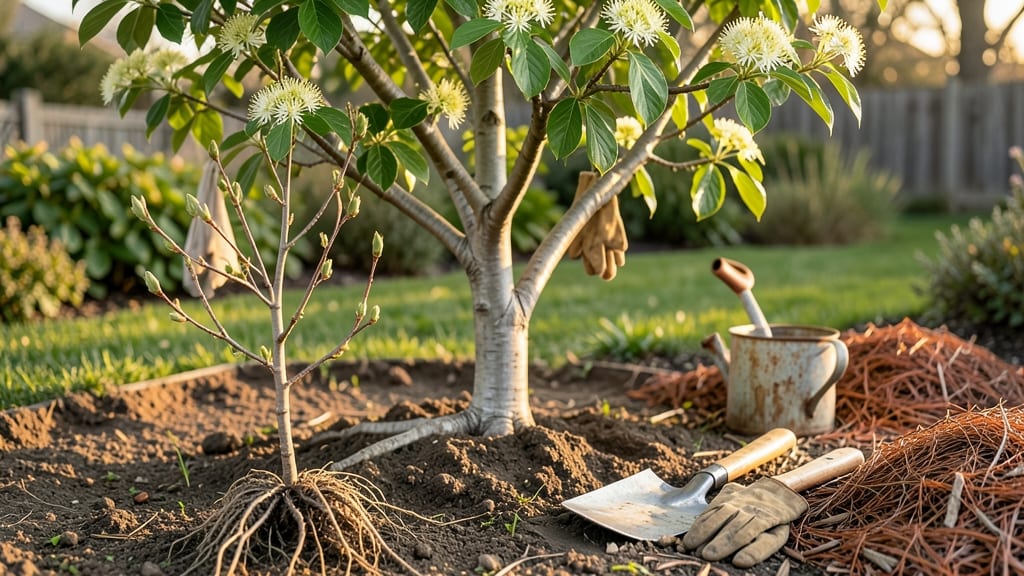
Planting dogwood trees in North Carolina at the right time ensures stunning spring blooms 🌳 — and skipping the chill-hour window can leave your sapling struggling for years.
You’ve probably heard that fall or early spring are the best months, but the real secret lies in soil temperatures and regional frost dates. In the Piedmont, for example, waiting until March avoids transplant shock, while mountain zones can start as early as February.
Below, I’ll break down the exact chill-hour requirements for your USDA zone, soil prep tricks to lock in moisture, and how to spot the three warning signs your tree is stressed after planting.
Whether you’re planting a Cornus florida or a Purpleleaf variety, these steps will help your dogwood thrive in NC’s humid summers and cold snaps.
North Carolina dogwood planting timeline: chill-hours & soil temperature guide
North Carolina's diverse climate—from the humid Coastal Plains to the cooler Mountain regions—means dogwood planting isn't a one-size-fits-all task. The key to success lies in understanding chill hours (the number of hours below 45°F) and soil temperatures, which vary dramatically across the state.
For example, a Coastal dogwood needs fewer chill hours than a Mountain variety, yet both require 40-60°F soil to prevent transplant shock.
Timing your dogwood planting correctly ensures strong root establishment before summer heat or winter freeze. In USDA Zones 7-8 (most of NC), the ideal window spans from November through March, but exact timing depends on your region's frost dates and chill accumulation.
Let's break down the perfect planting schedule for each NC zone to maximize your dogwood's survival and bloom potential.
In the Coastal Plains (Zones 7b-8b), dogwoods like Cornus florida 'Cherokee Brave' thrive with 300-500 chill hours, making late fall planting (November-February) ideal. The soil should be between 45-55°F—too warm, and roots struggle to establish before summer heat arrives.
I've seen coastal dogwoods planted in January thrive when given extra mulch to insulate roots.
For the Piedmont region (Zones 6b-7a), where chill hours range from 500-700, aim for planting between mid-October and mid-March. This window allows roots to establish before summer's intensity.
Soil temperatures here should stay between 40-50°F—use a soil thermometer to verify before planting. I always test soil temps by digging down 6 inches and waiting for consistent readings.
Mountain gardeners (Zones 6a-7a) enjoy the longest planting window due to 700-900 chill hours needed by varieties like Cornus florida 'Rubra'. Plant from September through early April when soil temps hover around 35-45°F.
The cooler climate lets you plant earlier, but avoid late spring planting—summer drought can stress young trees. I recommend planting in October or November for best results in the Mountains.
Soil temperature is just as critical as chill hours—dogwood roots won't establish properly if planted in warmer than 60°F soil. Use a soil thermometer ($10 at garden centers) to check temps before planting.
For container-grown dogwoods, you have more flexibility but still need 40-60°F soil to prevent shock. I've had success planting container-grown dogwoods in late winter (February) when soil temps stabilize.
Regional microclimates can shift planting windows by 2-4 weeks. For example, a sheltered Piedmont yard might stay cooler longer, allowing March planting, while an exposed Coastal site may require November planting to avoid early heat stress.
Observe your yard's frost patterns—note when last frost typically occurs (March 15 in Zones 7-8) to time planting accordingly.
Pro tip: If you're unsure about chill hours, choose low-chill varieties like 'Cherokee Brave' for Coastal areas or 'Purpleleaf' for Piedmont gardens. These adapt better to 300-600 chill hours and reduce risk.
I planted a Purpleleaf dogwood in Raleigh last fall, and it's already showing strong growth—perfect for our 550 chill-hour zone.
Remember, dogwoods planted in fall establish roots before spring growth, while spring plantings need consistent moisture to avoid transplant shock. Whichever window you choose, water deeply after planting and apply 2-3 inches of mulch to retain moisture and regulate soil temps.
With the right timing, your dogwood will reward you with vibrant spring blooms for decades.
Critical mistakes to avoid when planting dogwoods in NC (and how to fix them)
Planting dogwood trees in North Carolina requires precision—one wrong move can leave your Cornus florida struggling for years. The most common mistake? Ignoring soil temperatures and chill-hour requirements that vary by region.
In the Piedmont, for example, planting too early (before 40°F soil temps) can shock roots, while mountain zones risk late frosts if planted after March 15.
Even experienced gardeners overlook soil pH adjustments—a dogwood’s ideal range is 5.5-6.5. If your soil tests higher, the tree’s nutrient uptake suffers, leading to yellowing leaves and stunted growth.
Another frequent error? Improper spacing—planting too close to structures or other trees (less than 15-20 feet) restricts airflow, inviting fungal diseases like anthracnose.
⚠️ Planting Timing Pitfalls in NC
- Too Early: Planting in November (Coastal NC) risks frost damage to tender roots.
- Too Late: Waiting until April in the Mountains delays root establishment before summer heat.
- Wrong Soil Temp: Roots need 40-60°F soil—colder or warmer causes shock.
🌡️ Fix: Use a soil thermometer and plant when temps stabilize in your zone.
Watering errors are another silent killer. Many gardeners drown dogwoods by overwatering after planting, while others assume "established" means drought-proof. For the first year, deep watering every 7-10 days is critical—especially in NC’s humid summers.
A 3-inch mulch ring retains moisture, but avoid piling mulch against the trunk (this invites rot).
Spacing mistakes extend beyond proximity to structures. Dogwoods need 15-20 feet from other trees to compete for nutrients. In tight spaces, prune competing roots or choose a dwarf variety like 'Cherokee Brave' (though these are rare for dogwoods).
Also, avoid planting under overhead power lines—mature dogwoods can reach 20-40 feet, posing safety risks.
To fix a pH imbalance, amend soil with peat moss or sulfur (for high pH) or lime (for low pH) before planting. For watering issues, install a drip irrigation system on a timer to deliver 1-2 gallons weekly during dry spells.
Monitor for leaf scorch (brown edges)—a sign of underwatering or salt buildup from poor soil prep.
First-year survival rates skyrocket when you combine proper timing, soil prep, and consistent care. In NC, dogwoods planted correctly in March (Piedmont) or February-March (Mountains) achieve 90%+ survival with minimal stress. Skip the shortcuts, and your tree will reward you with vibrant spring blooms for decades. 🌷