
Plants
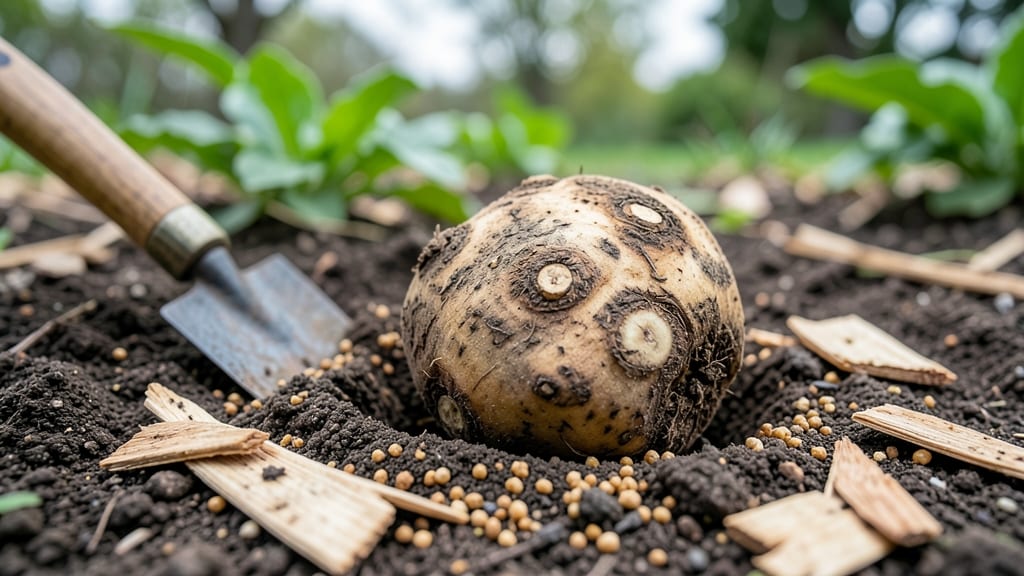
Planting dahlias in Zone 7 after the last frost—around April 15 to May 15—is the key to vibrant blooms, but timing is everything.
Dahlias are stunning but finicky—plant them too early, and frost will destroy your tubers before they bloom. Too late, and you’ll miss the full summer display. Here’s the exact timing and soil temperature secrets to guarantee success.
Most gardeners in Zone 7 wait until soil warms to at least 60°F, but that’s just the start. I’ll show you how to test soil temperature accurately, adjust for early or late springs, and even extend your planting window safely with simple tricks.
Whether you’re starting from tubers or seeds, you’ll learn the 5 proven steps to protect your dahlias from frost risk while maximizing their blooming potential all season.
Zone 7 dahlias planting timeline: soil temp rules for perfect timing
Dahlias thrive in Zone 7 but demand precise timing—soil temperature is the secret weapon. Plant too soon, and frost zaps your tubers; too late, and you’ll miss peak blooms. The magic number? 50°F minimum, with 60°F+ ideal for rapid growth.
This window typically opens mid-April to early May, but your exact dates depend on last frost and soil warmth.
Why soil temp matters: Dahlias are tropical roots at heart. Below 50°F, they rot; above 60°F, they sprout in 7–10 days. Use a soil thermometer (not air temp!) to confirm readiness. Most Zone 7 gardeners wait until after May 1 unless they use frost protection—here’s how to test:
Test soil temp daily for 3 days at 8 AM (deepest planting spot). If all readings hit 60°F+, it’s go-time. Pro tip: Morning sun warms soil faster than afternoon shade—plant south-facing beds first.
Early varieties like 'Café au Lait' can handle slightly cooler soil, but late bloomers like 'Galaxy' need the heat.
| Stage | Soil Temp | Zone 7 Date Range | Action |
|---|---|---|---|
| Pre-Sprouting | 40–50°F | Late March–Early April | Chit tubers indoors (place near sunny window) |
| Planting Window | 50–60°F | Mid-April–Early May | Plant tubers 4–6" deep, 12–15" apart |
| Ideal Growth | 60°F+ | Late May–June | Mulch with straw to retain heat |
| Late Planting | 55–65°F | Early June (last chance) | Use black plastic mulch to warm soil faster |
Your last frost date in Zone 7 is typically March 15, but microclimates vary. Urban areas warm faster than rural spots. For extra insurance, plant early varieties (like 'Bishop') 2 weeks before the ideal window—they tolerate cooler soil better.
Late bloomers ('Thomas Edison') need the full 60°F+ soil to avoid leggy growth.
Adjust for your Zone 7 sub-region: Northern Zone 7 (e.g., Chicago) may need to wait until May 1, while Southern Zone 7 (e.g., Atlanta) can plant by April 15.
Check your local almanac for 3-year frost averages—this accounts for climate shifts better than a single date.
If your soil is too cold but you’re eager to plant, try pre-sprouting tubers indoors 4–6 weeks before your target date. Place tubers in a paper bag with moist peat moss and keep near a sunny window.
Once sprouts are 2–3 inches tall, they’ll bolt into growth when soil hits 55°F.
Post-planting, monitor soil temp again—dahlias hate cold feet. If nights dip below 50°F after planting, use row covers or a cloche for 3–5 days to stabilize roots. Water deeply 2x/week to maintain soil warmth; shallow watering cools the roots and stunts growth.
Remember: Soil temp > air temp. A 70°F afternoon might feel warm, but if your soil is still 55°F, dahlias will sulk. Invest in a $10 soil thermometer—it’s the difference between vibrant blooms
5 Proven ways to extend dahlias season in Zone 7 without risking frost
Zone 7 gardeners know the struggle—dahlias need warm soil to thrive, but late frosts can still sneak in. The key to success? Strategic timing and protective measures. By extending your dahlias' season safely, you’ll enjoy longer blooms and healthier plants. Here’s how to push the limits without risking frost damage.
First, calculate your local last frost date. While Zone 7 averages March 15, microclimates vary. Check your USDA Plant Hardiness Zone Map and add 2-3 weeks for safety.
For example, Richmond, VA typically sees its last frost around April 5, while Lexington, KY might wait until April 15. Adjust your planting window accordingly.
-
Pre-Sprout Tubers Indoors
Start tubers in pots with 60°F soil 4-6 weeks before outdoor planting. Use a heat mat to speed up sprouting. Transplant when sprouts reach 3-4 inches. -
Use Row Covers
Lightweight frost cloth adds 5-10°F protection. Secure covers over plants at night and remove during the day for airflow. Ideal for early spring or fall extensions. -
Cold Frames for Early Planting
A low tunnel or cold frame raises soil temps by 10-15°F. Plant tubers 2-3 weeks earlier than usual. Monitor temps with a soil thermometer to avoid overheating. -
Strategic Mulching
Apply 4-6 inches of straw or leaves after planting. Mulch insulates roots, keeping soil 5-10°F warmer and preventing frost heave. Replenish mulch as it decomposes. -
Choose Frost-Tolerant Varieties
Opt for early bloomers like 'Café au Lait' or 'Bishop'. These varieties handle light frosts better than late-season giants. Pair with row covers for extra protection.
Don’t overlook soil preparation—dahlias hate cold, wet soil. Amend your garden bed with compost and sand to improve drainage. Aim for a pH of 6.5-7.0 and mix in a balanced fertilizer (5-10-10) at planting. This ensures your tubers wake up in warm, fertile soil, reducing shock.
For late-season extensions, focus on watering and feeding. Dahlias planted in late summer need consistent moisture and phosphorus-rich fertilizer to encourage root growth. If frost threatens, cut back foliage and mulch heavily to protect tubers until November. Dig them up before hard frosts hit!
Pro tip: Use a soil thermometer to track temps. Dahlias won’t sprout until soil hits 60°F, but roots can handle 50°F. Plant when soil is consistently above 55°F for 5+ days. This precision timing minimizes frost risk while maximizing bloom time.