
Plants
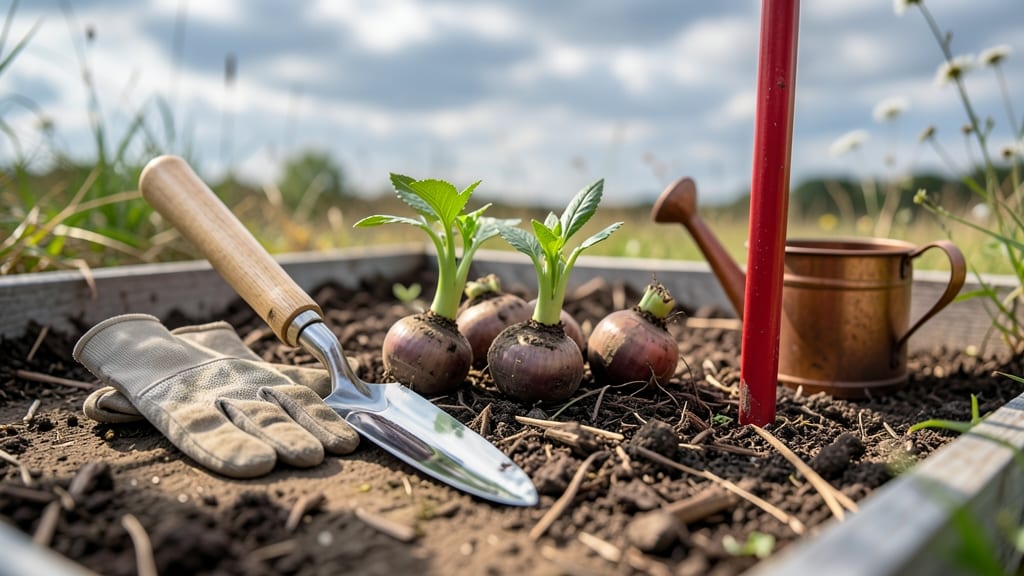
To plant dahlias in Kansas after your last frost—typically between late April and early May—is the key to avoiding frost damage and ensuring those stunning blooms 🌸.
Timing your dahlia planting perfectly in Kansas can mean the difference between vibrant blooms and wilted disappointment—especially in Zone 6b’s unpredictable spring climate.
You’re not alone if you’ve ever rushed to plant tubers too early, only to watch them rot in chilly soil or struggle under late-season frosts. The secret lies in waiting for soil temperatures to hit 60°F and aligning with your local frost-free deadline.
Below, I break down the exact planting window for your Kansas zone, soil prep tips to prevent root rot, and how to harden off tubers for a smooth transition into the garden.
Kansas Zone 6b frost dates & soil temperature requirements for dahlias
Timing your dahlia planting in Kansas Zone 6b hinges on two critical factors: soil temperature and frost-free deadlines. Dahlias are frost-sensitive tubers that won't thrive if planted too early, yet delaying too long risks stunted growth before summer's peak.
The average last frost date in Kansas typically falls between April 15 and May 15, but this varies yearly by 5-10 days depending on microclimates.
For dahlias specifically, soil must reach 60°F (15.5°C) at a depth of 6 inches before planting. In Kansas' variable spring climate, this often occurs 2-3 weeks after the last frost.
Using a soil thermometer is your best tool—don't rely solely on air temperature, which can be 10-15°F warmer than the soil.
Here's where Kansas gardeners often misstep: planting tubers too early in chilly April soil leads to rot, while waiting until June risks leggy, weak stems before summer's heat sets in. The ideal planting window is late April to early May, but always verify soil warmth first.
🌱
| Key Factor | Kansas Zone 6b Specifications | Actionable Tip |
|---|---|---|
| Last Frost Date | April 15–May 15 (varies yearly) | Monitor local weather alerts for 3-year averages in your county. |
| Soil Temperature | 60°F (15.5°C) at 6" depth | Use a soil thermometer for 3 consecutive days. |
| Planting Window | Late April–early May | Aim for May 1 as your target date. |
| Heatwave Risk | 90°F+ by June | Mulch with 3-4 inches of straw to retain moisture. |
| First Frost Return | October 15 (varies yearly) | Dig up tubers before first frost or mulch heavily. |
Kansas' unpredictable spring weather makes these dates flexible but not arbitrary. For example, Wichita's last frost often occurs 2 weeks earlier than Kansas City's, so adjust accordingly.
Pro tip: Harden off tubers by placing them in a cool garage (50°F) for 1 week before planting to prevent shock from temperature swings.
Another critical consideration is soil drainage. Dahlias hate soggy roots, and Kansas' clay-heavy soils in many regions can trap moisture. Amend your soil with compost and perlite to improve aeration. If your garden bed feels compacted or waterlogged after rain, delay planting until the soil dries out.
💧
Don't let heatwave risks catch you off guard. By mid-June, Kansas temperatures can soar to 90°F+, which stresses dahlias if they're not established. To mitigate this, plant heat-tolerant varieties like 'Café au Lait' or 'Thomas Edison' and ensure they receive consistent afternoon shade during peak summer months.
For container gardening in Kansas, extend your planting window by 2-3 weeks since pots warm up faster. Use black plastic pots to absorb heat and place containers in south-facing locations. Just remember: containers dry out 3x faster than in-ground beds, so monitor moisture closely.
🌿
Finally, track your local microclimate. Urban areas like Overland Park often experience urban heat islands, warming up 3-5°F faster than rural areas. If you're in a city, you may need to plant 1-2 weeks earlier than rural gardeners. Use a neighborhood weather app to compare your specific conditions.
By mastering these Kansas-specific timing cues, you'll give your dahlias the competitive edge they need to thrive—delivering bold blooms from July through October.
Step-by-step dahlias planting timeline for Kansas gardeners
Timing is everything when planting dahlias in Kansas, where spring frost can linger until mid-April while summer heat arrives early. A 6-week prep schedule ensures your tubers thrive from soil prep to first blooms.
I’ve broken it down into actionable steps tailored to Zone 6b’s climate, so you can avoid common pitfalls like frost damage or stunted growth.
Start your preparation in March when temperatures hover around 40°F. This is when you’ll focus on soil improvement and tuber inspection. Dahlias need well-draining soil rich in organic matter—amend your beds with compost or aged manure now.
Meanwhile, inspect your dahlia tubers for signs of rot or damage, and trim any shriveled or mushy sections with a clean knife.
📅 6-Week Dahlias Planting Timeline for Kansas
-
March (4-6 weeks before last frost)
Soil Prep & Tuber Inspection- Test soil pH (aim for 6.0-7.0)
- Work in 4-6 inches of compost
- Inspect tubers for rot or damage
-
Late April (2-3 weeks before last frost)
Tuber Hardening & Chitting- Place tubers in bright, cool spot (50-60°F)
- Cut tubers with 3+ eyes upward
- Start chitting (sprouting) indoors
-
Early May (After last frost, soil 60°F+)
Planting Depth & Spacing- Plant tubers 4-6 inches deep
- Space 12-18 inches apart (larger varieties)
- Water deeply after planting
-
May-June (Post-Planting)
Support & Mulching- Add 3-inch mulch layer (straw or shredded leaves)
- Install stakes or cages for tall varieties
- Fertilize with balanced 5-10-10 when sprouts appear
-
June-August (Growth Phase)
Ongoing Care- Water deeply 2-3x/week (morning only)
- Deadhead spent blooms to encourage more flowers
- Watch for slugs or aphids (common in Kansas humidity)
Pro Tip: Use a soil thermometer to confirm 60°F+ soil temps before planting—cold soil delays growth!
Once your tubers are planted, mulching is non-negotiable in Kansas’ temperature swings. Apply a 3-inch layer of straw or shredded leaves to retain moisture and protect roots from heat stress.
I’ve found that black plastic mulch works wonders for warming soil faster in cooler springs—just remove it once temperatures stabilize.
By mid-June, your dahlias should show vigorous new growth. This is when you’ll want to fertilize lightly with a high-phosphorus formula (like 5-10-10) to encourage bloom production.
I recommend side-dressing with compost tea every 4-6 weeks to keep nutrients flowing. Don’t forget to stake tall varieties early—Kansas winds can snap stems if left unsupported.
As summer progresses, focus on consistent watering and pest monitoring. Dahlias in Kansas often face slug pressure after rain, so set out beer traps or diatomaceous earth as a preventive measure.
Prune yellowing leaves to improve airflow and reduce disease risk. With this timeline, you’ll have blooms from July through October—plenty of time to enjoy your Kansas-grown dahlias! 🌸