
Plants
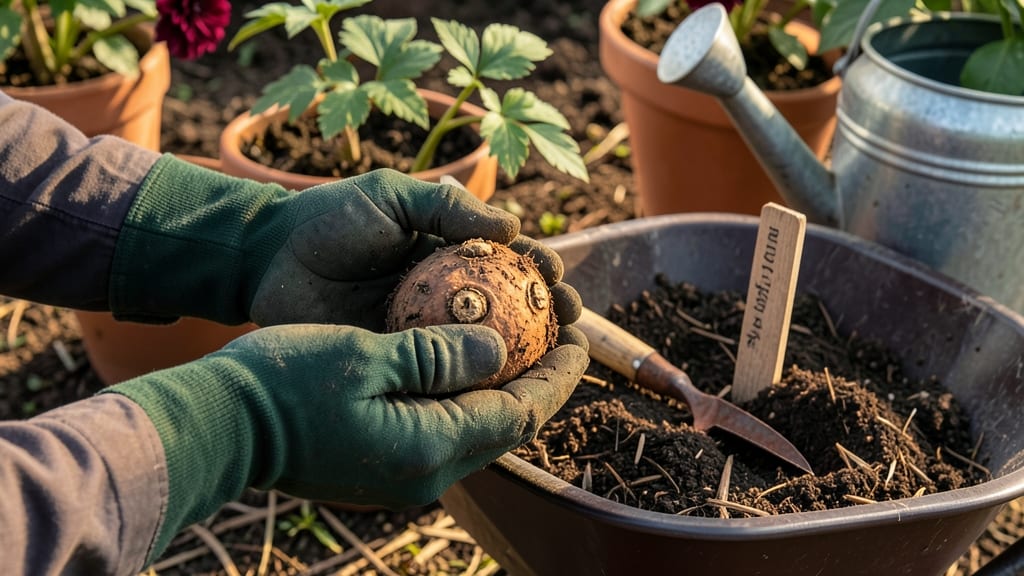
Plant dahlias in Florida after the last frost, typically between March and April, when soil temperatures rise above 60°F and the risk of freezing nights vanishes.
If you rush them into the ground too early, your 🌸 dahlias could still face surprise frost in North Florida, or worse, rot in soggy winter soil. The key is waiting for the consistent warmth that signals the start of Florida’s long growing season.
This isn’t just about avoiding frost—it’s about giving your tubers the right conditions to wake up strong. Florida’s humidity and heat demand a little extra prep, from soaking tubers to choosing the right varieties that thrive in zones 9a-11.
Below, I’ll break down the exact weeks to plant by region, how to prep your tubers for Florida’s climate, and the one mistake that kills more dahlias here than anything else.
Florida’s ideal dahlias planting windows by region (avoid frost zones 8-10)
Florida’s three distinct regions create unique microclimates for dahlias. North Florida’s cooler winters require later planting dates, while South Florida’s year-round warmth allows earlier starts. Understanding your last frost dates and soil temperature thresholds ensures your dahlias thrive from summer through fall.
Let’s break down the perfect planting windows for each region to maximize your blooms.
For North Florida (Jacksonville, Gainesville), the last frost typically occurs mid-March, but soil temperatures must reach 60°F (15°C) before planting.
In Central Florida (Orlando, Tampa), frost is rare, but you’ll want soil at 65°F (18°C) for optimal growth. South Florida (Miami, Key West) gardeners can plant as early as February since frost is nearly nonexistent.
Here’s a region-specific comparison of ideal planting windows, soil temperature requirements, and frost-free date calculations to help you time your dahlias perfectly:
| Region | Last Frost Date | Ideal Planting Window | Soil Temp Threshold | Frost-Free Days |
|---|---|---|---|---|
| North Florida (Jacksonville, Gainesville) | Mid-March | Late March to early April | 60°F (15°C) | 270-300 days |
| Central Florida (Orlando, Tampa) | Mid-February (rare) | Early March to mid-April | 65°F (18°C) | 300-330 days |
| South Florida (Miami, Key West) | None (year-round) | February to early March | 70°F (21°C) | 330-365 days |
In North Florida, wait until after March 15 to plant dahlias, as earlier dates risk unpredictable cold snaps.
Use row covers if planting in late February for an early start. Central Florida gardeners have more flexibility but should aim for soil temperatures above 65°F (18°C) to avoid stunted growth. South Florida is the most forgiving, but planting in February gives dahlias time to establish before summer’s intense heat.
For all regions, use a soil thermometer to confirm readiness. Dahlias need warm soil to sprout quickly and avoid rot. If your soil is too cold, wait 1-2 weeks or use black plastic mulch to warm it faster.
This is especially critical in North Florida, where cooler soils delay growth.
Pro tip: Pre-soak tubers for 24 hours before planting to jumpstart growth. In humid South Florida, add fungicide treatment to tubers to prevent rot. Central Florida gardeners should focus on well-draining soil to avoid waterlogged roots during summer rains.
Once planted, dahlias in North Florida will bloom 2-3 weeks later than those in South Florida due to cooler temperatures.
Plan your garden layout accordingly—place taller varieties in North Florida where they’ll have more time to mature before fall’s first chill. South Florida gardeners can enjoy year-round blooms with proper care.
Remember, Florida’s hurricane season (June-November) can damage dahlias. Stake plants early and use hurricane ties to secure stems. Mulch heavily to protect roots from storm surges in coastal areas like Miami and Key West. With the right timing, your dahlias will reward you with stunning blooms all season long.
Start your dahlias at the perfect time for your region, and you’ll enjoy vibrant, healthy plants from summer through fall. Happy gardening! 🌸
How to prep dahlias tubers for Florida’s humid climate (step-by-step)
Florida’s humid summers and high heat demand extra care when prepping dahlia tubers. Skipping proper preparation can lead to rot, weak growth, or fungal diseases like powdery mildew. The key is soaking, cutting, and hardening tubers to ensure they thrive in your Zone 9-11 climate.
Start by selecting disease-resistant varieties like ‘Café au Lait’ or ‘Thomas Edison’, which handle Florida’s fungal risks better. Avoid varieties prone to soft rot or bacterial wilt, common in our wet conditions. Always source tubers from reputable nurseries to reduce disease introduction.
Here’s your step-by-step guide to prepping tubers for Florida’s climate:
Rinse tubers gently to remove old soil, then soak in lukewarm water for 6-12 hours. This hydrates them and helps identify rotten or shriveled sections. Discard any tubers with soft spots or mold.
Use a sterilized knife to divide tubers with 2-3 “eyes” (growth points) per section. Let cuts dry for 1-2 hours to prevent rot. Florida’s humidity means faster decay, so speed is critical.
Place tubers in a shady, dry spot for 3-5 days before planting. This mimics Florida’s transition from cool nights to hot days, reducing shock. Avoid direct sun—it can scorch tender tubers.
Dust tubers with sulfur powder or copper fungicide to prevent powdery mildew and black spot, common in Florida’s damp air. This step is non-negotiable if you’ve had past fungal issues.
Plant tubers 4-6 inches deep in well-draining soil mixed with compost. Space them 12-18 inches apart to allow airflow, reducing humidity-related diseases. Mulch with straw or pine needles to retain moisture without suffocating roots.
After planting, water deeply but avoid soggy soil—Florida’s clay-heavy soils can trap moisture, leading to rot. Use drip irrigation to keep foliage dry, further reducing fungal risks. Monitor tubers for yellowing leaves or mushy stems, signs of overwatering or disease.
With these steps, your dahlias will bloom vigorously from summer to fall, even in Florida’s challenging climate. The secret? Prevention—soaking, cutting, and hardening tubers sets them up for success in our hot, humid conditions. 🌸💧