
Plants
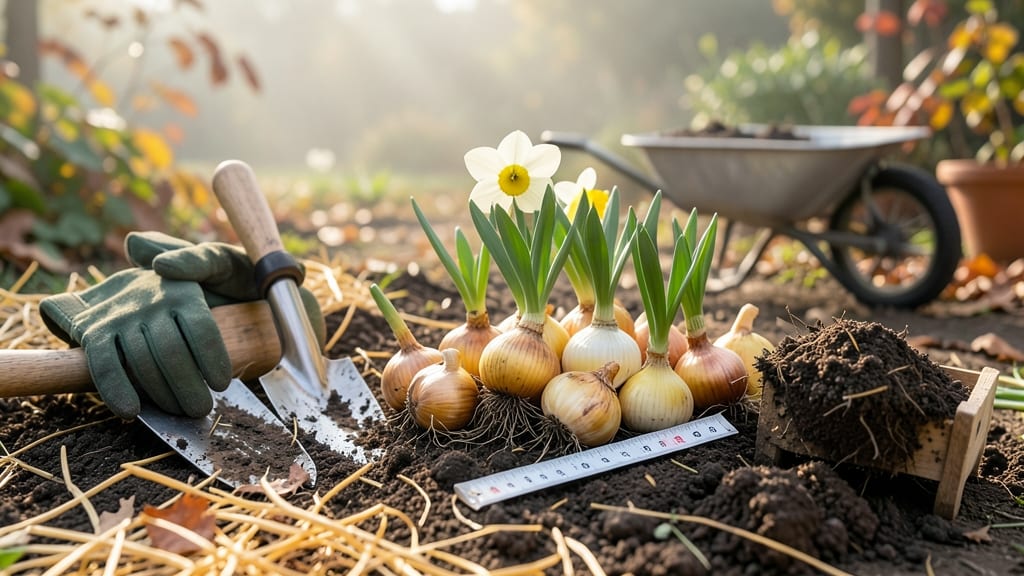
Planting daffodil bulbs in Michigan during fall ensures vibrant blooms next spring 🌼, but timing is everything to avoid frost damage or missed opportunities.
Michigan gardeners know the thrill of daffodils bursting through snow—bright yellow trumpets that signal spring’s arrival—but timing their bulb planting just right can mean the difference between a spectacular display and a missed opportunity.
In USDA Zones 5b-6b, the ideal window runs from mid-October to early November, when soil temperatures drop but the ground hasn’t frozen yet. Northern Michigan’s cooler climate may shift this slightly earlier, while southern regions can stretch it into late November.
Below, I’ll break down the exact months to plant, how to prep your soil, and the simple post-planting care that keeps your daffodils thriving through Michigan’s winters.
Optimal planting months for daffodil bulbs in Michigan’s USDA Zones 5b-6b
Timing is everything when planting daffodil bulbs in Michigan, where USDA Zones 5b-6b bring unpredictable frost patterns. The ideal window spans September through November, but the perfect month depends on your location—whether you're in northern Michigan (Zone 5b) or southern Michigan (Zone 6b).
Plant too early, and bulbs may sprout before winter; too late, and they won’t establish roots before the ground freezes.
For Zone 5b (northern MI), the sweet spot is mid-September to early October, when soil temperatures hover around 50-60°F. In Zone 6b (southern MI), you’ve got a bit more flexibility, with late September to November working well.
The key is planting 6-8 weeks before the first hard frost, which typically hits mid-October in northern MI and late October in southern MI.
Soil temperature plays a critical role. Daffodil bulbs need 40-50°F soil to start rooting. In Zone 5b, this usually happens by late September, while Zone 6b may wait until early October. Use a soil thermometer to check—if temps drop below 40°F, bulbs won’t root properly.
Here’s how to balance your planting timeline for the best results:
Early planting in September offers advantages like stronger root establishment before winter, but bulbs planted too soon may sprout prematurely and get damaged by early frosts.
In Zone 5b, wait until mid-September to avoid this risk. Meanwhile, Zone 6b gardeners can start as early as late September with lower frost risk.
Planting in October is the golden window for both zones. By this time, soil has cooled enough for root growth but hasn’t frozen yet. In Zone 5b, aim for early to mid-October; in Zone 6b, you can extend planting into late October.
This timing ensures bulbs have 4-6 weeks of root development before the ground freezes.
Late planting in November is risky but possible in Zone 6b if the ground remains workable. In Zone 5b, November planting is not recommended—bulbs won’t have enough time to root before hard frosts.
If you must plant late, use mulch (4-6 inches) to insulate bulbs and protect them from freeze-thaw cycles.
Pro tip: Check your local Michigan State University Extension frost date maps for precise timing. In Zone 5b, the average first frost is October 15-20; in Zone 6b, it’s October 25-November 1. Planting 6-8 weeks before these dates maximizes success.
Remember, daffodil bulbs need 6-8 inches of soil coverage and well-draining soil to thrive. If your soil is heavy clay, amend it with compost or sand to prevent rot. After planting, water deeply to help roots establish before winter dormancy.
With the right timing, your Michigan daff
How to adjust planting time based on Michigan’s microclimates and soil conditions
Michigan’s diverse landscapes—from sandy lake shores to clay-rich farmlands—create unique challenges for daffodil bulb planting. While October is ideal for most gardeners, your local microclimate and soil type can shift that window by weeks.
Urban heat islands may keep soil workable longer, while rural areas with heavy clay might freeze sooner. Adjusting your timing ensures bulbs root before winter sets in.
Start by testing your soil’s drainage and moisture. Sandy soils dry out faster and may need earlier planting (late September), while clay soils hold moisture longer, allowing a later window (early November).
Use the finger test: poke your finger 6 inches deep—if the soil is cool but not frozen, it’s ready. In Zone 5b (northern Michigan), aim for early October; in Zone 6b (southern Michigan), you might push to mid-November.
⚠️ WARNING: Late Planting Risks Planting too late—even by a few weeks—can leave bulbs vulnerable to frost heave or rot. If you miss the ideal window, use mulch or frost blankets to insulate bulbs.
Apply 3–4 inches of straw or shredded leaves after planting to regulate soil temperature. For urban gardens with microclimates, monitor local weather apps for first frost dates and adjust accordingly.
Urban gardeners often face warmer microclimates due to pavement and buildings. If your soil stays workable into November, plant daffodils as late as early December, but prioritize areas with partial shade to reduce heat stress.
In rural areas, where nights are colder, focus on September planting for early varieties like ‘Tête-à-Tête’, which thrive with a head start.
For sandy soils, mix in compost or peat moss to retain moisture and extend the planting window. In clay soils, amend with sand or perlite to improve drainage—this prevents bulbs from sitting in soggy soil during Michigan’s thaw-freeze cycles.
Always plant bulbs 6 inches deep and 6 inches apart to allow roots to establish before winter.
If frost threatens before bulbs root, cover them with a frost blanket or burlap sack. Remove the cover once the ground freezes to prevent moisture buildup. Water lightly before covering to help roots grow.
In southern Michigan, where winters are milder, you might even plant late-November bulbs with protection, but northern gardeners should never risk planting after October 31st.
Remember, daffodils are hardy perennials, but their first year sets the stage for future blooms. By tailoring your planting time to soil type and microclimate, you’ll enjoy vibrant spring displays for years to come.
Start small, test your local conditions, and soon you’ll master Michigan’s bulb-planting puzzle. 🌼