
Plants
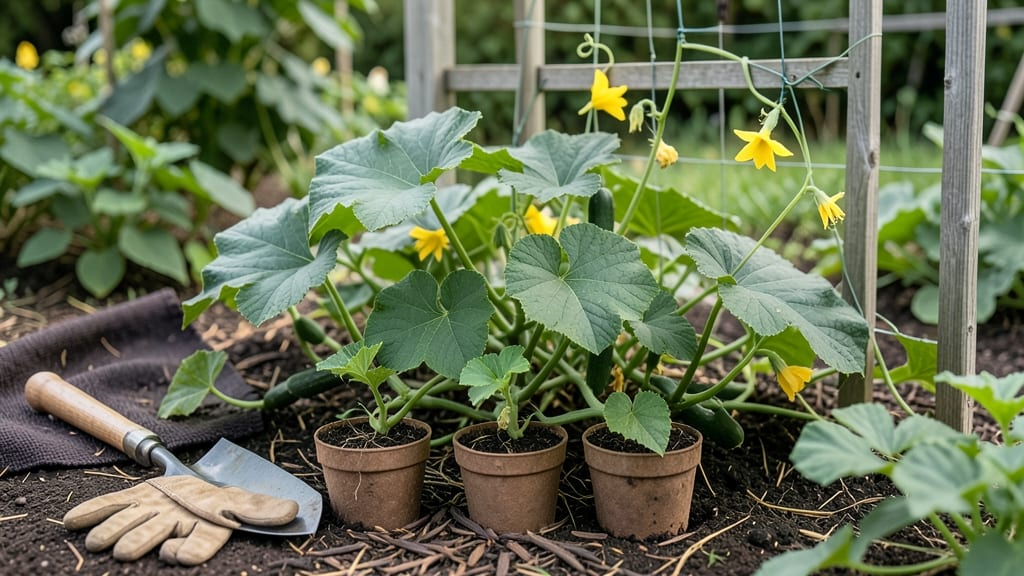
Planting cucumbers in Zone 7a after your last frost date—around mid-April to mid-May—sets you up for a fast, bountiful harvest before summer’s heat peaks.
Miss that window, and you risk stunted vines or fruit that turns bitter under Zone 7a’s sweltering July sun. But get it right, and you’ll enjoy crisp, homegrown 🥒 from June through September.
Here’s the exact timing you need, plus how to prep soil, choose heat-tolerant varieties, and stretch your harvest with succession planting—no more wasted seeds or wilting plants.
We’ll cover when to start seeds indoors (or skip it entirely), how to adjust for late frosts, and the one trick that keeps cucumbers thriving even when temps hit 90°F.
Zone 7a cucumber planting calendar: exact dates for frost-free success
Timing your cucumber planting in Zone 7a is all about avoiding late frosts while maximizing the 70–90°F growing window cucumbers love. The last average frost date in most of Zone 7a falls around April 15, but microclimates near mountains or coastal areas can push this 1–2 weeks later.
Planting too early risks frost damage, while waiting too long cuts your harvest window short.
Cucumbers thrive when soil temperatures hit at least 60°F—a key threshold for germination and root growth. In Zone 7a, this typically aligns with mid-April to early May, depending on your specific location.
For example, areas like Chattanooga, TN can plant by April 1, while Raleigh, NC may wait until April 20 to be safe.
Here’s your Zone 7a cucumber planting calendar, broken down by key stages to ensure frost-free success:
For direct sowing, aim for April 15–May 15—this gives cucumbers enough time to mature before Zone 7a’s first frost on October 20. If you’re transplanting seedlings, harden them off for 7–10 days before moving them outdoors in early May to avoid shock.
Zone 7a’s humidity and heat spikes can stress cucumbers, so choose heat-tolerant varieties like 'Lemon Cucumber' or 'Armenian' for late-season planting. These varieties handle 90°F+ temperatures better than standard slicing types, extending your harvest into early September.
Pro tip: Use black plastic mulch to raise soil temperatures by 5–10°F, speeding up germination and reducing fungal diseases. This is especially helpful in cooler microclimates within Zone 7a, like higher elevations or northern edges.
If you’re in a coastal Zone 7a area (e.g., Savannah, GA), you can push planting 2 weeks earlier thanks to milder nights. Conversely, inland areas like Lexington, KY should wait until mid-May to avoid late frosts.
For succession planting, sow a second batch every 2 weeks from May through June. This staggered approach ensures a continuous harvest until frost—just be sure to use trellises to save space and improve air circulation.
Monitor your local Almanac’s frost predictions and adjust dates accordingly. In my Zone 7a garden, I’ve found that planting ‘Straight Eight’ cucumbers in early June gives me a second harvest just as summer heat peaks, avoiding the powdery mildew that often strikes in July.
🥒
How to extend your cucumber season in Zone 7a: cold frames, row covers, and succession planting
Zone 7a gardeners know the struggle: cucumbers thrive in 70–90°F but wilt when temps dip below 55°F. The key to a longer harvest? Strategic extensions using protective gear and succession planting.
With the right tools, you can push your season 3–4 weeks earlier or 2–3 weeks later—without sacrificing yield.
Cold frames and row covers create microclimates that shield plants from light frosts (down to 28°F with proper insulation). Meanwhile, succession planting every 2 weeks ensures a steady supply of fresh cucumbers when the first batch matures. The result? A near-continuous harvest from early June through October.
For early-season extensions, start seeds indoors 4–6 weeks before your last frost date (typically March 15–April 1 in Zone 7a). Transplant seedlings into a cold frame or under row covers when they’re 2–3 inches tall. This gives you a 3–4 week head start on outdoor plantings.
In late summer, switch to heat-tolerant varieties like ‘Lemon Cucumber’ or ‘Sweet Success’, which handle 90°F+ better than standard types. Pair them with drip irrigation to prevent blossom-end rot and powdery mildew—common in Zone 7a’s humid heat.
Pro tip: Harvest every 2–3 days to encourage continuous production. When temps drop below 60°F at night, cover plants with lightweight row fabric to shield them from chilly air. With these tricks, you’ll enjoy homegrown cucumbers for nearly 5 months instead of just 2!