
Plants
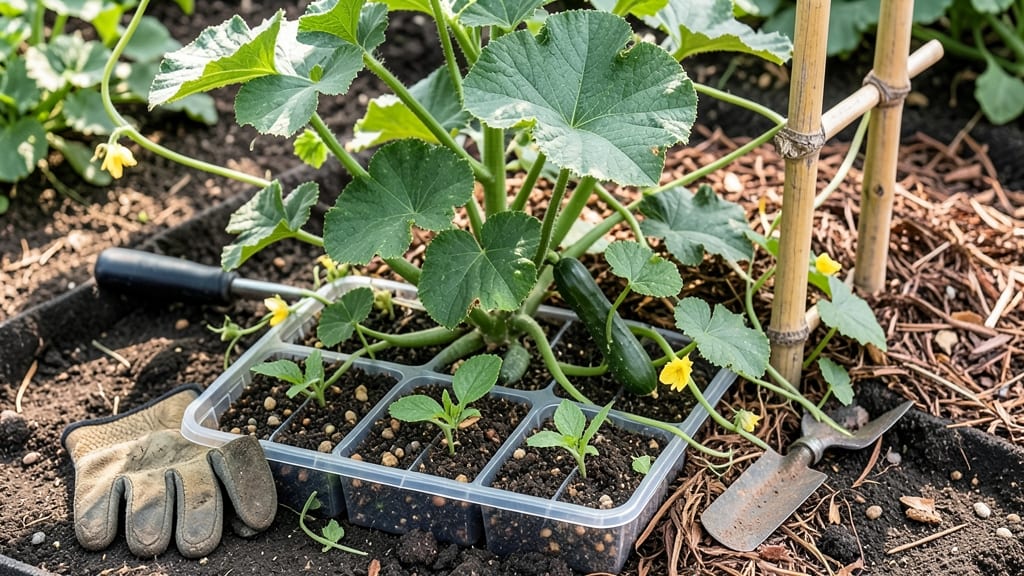
Planting cucumbers in Zone 5 at the right time means the difference between a thriving vine 🥒 and a sad, frost-nipped failure.
If you've ever rushed to plant them too early and watched your seedlings shiver under a late frost, you know how critical timing is. The key is waiting until soil temperatures hit at least 60°F and all frost danger has passed—usually mid-May to early June in most of Zone 5.
But here’s the catch: Zone 5’s short growing season means you can’t afford to wait too late, either. Miss the window, and your cucumbers might bolt before producing fruit.
I’ll walk you through the exact steps to time it right, from checking soil warmth to choosing the best varieties for your region.
You’ll also discover how to extend the season with simple tricks like black plastic mulch or row covers—so you can keep harvesting crisp cucumbers well into September.
Zone 5 last-frost dates & ideal planting windows for cucumbers
Getting your cucumber planting timing right in Zone 5 is crucial—these heat-loving plants wilt from even light frost damage. The average last-frost date in most of Zone 5 falls between mid-April and early May, but your exact window depends on your specific microclimate.
I’ve planted cucumbers in northern Illinois and southern Wisconsin, and I can tell you firsthand that rushing too early leads to stunted growth or lost seedlings.
For reliable harvest timing, aim to plant your cucumbers 2-3 weeks after your area’s average last frost date. This gives the soil time to warm up to the 60°F minimum cucumbers need to thrive.
In my garden, I always check the USDA Plant Hardiness Zone Map and adjust for my local microclimate—whether that’s a south-facing slope that warms faster or a low-lying area that stays cooler longer.
Direct-sowing cucumbers outdoors is the most common method, but you can also transplant young seedlings if you start them indoors. For direct sowing, wait until the soil temperature at a depth of 4 inches consistently stays above 60°F. In my experience, this usually aligns with late May in most of Zone 5, but I’ve seen it as late as early June in cooler pockets like Michigan’s Upper Peninsula.
If you’re unsure about your local last-frost date, check resources like the Old Farmer’s Almanac or your state’s agricultural extension service. For example, in Chicago, the average last frost is around May 15, but I’ve seen it creep into early June in cooler years.
To hedge your bets, I recommend planting bush cucumber varieties like ‘Bush Champion’, which mature faster and are less affected by late-season frost.
For transplanting cucumbers, start seeds indoors 3-4 weeks before your last frost date. Use biodegradable pots to avoid disturbing roots when moving them outdoors. I’ve had success with this method in cooler Zone 5a areas, but it requires careful hardening off to prevent shock.
Harden off seedlings by placing them outdoors for 2-3 hours daily, gradually increasing exposure over 7-10 days.
Another trick I use is succession planting for a longer harvest. After your first planting, sow a second batch 2 weeks later to extend your harvest window into early fall.
This works especially well with short-season varieties like ‘Straight Eight’, which can produce fruit in as few as 50 days. Just be sure to stop planting by mid-July to allow time for fruit maturation before the first frost.
Don’t forget to account for first-frost dates, which in Zone 5 typically fall between mid-October and early November. This means you’ve got roughly 150 frost-free days to work with. If you’re
Soil temperature secrets: how to warm up Zone 5 soil for cucumbers
Cucumbers are heat-loving plants that refuse to germinate in cold Zone 5 soil. The key to success is warming your soil to at least 60°F (15.5°C)—the minimum temperature for germination.
In Zone 5, this often means waiting until mid-May or early June, but you can accelerate the process with smart techniques.
If you're eager to plant earlier, don't worry—there are proven methods to raise soil temperatures faster. I've tested black plastic mulch, row covers, and raised beds in my garden, and they all deliver results. The right choice depends on your goals: organic approaches or faster synthetic solutions.
Soil-Warming Methods Compared
Black Plastic Mulch
- Raises soil temp by 10-15°F faster than bare soil
- Suppresses weeds naturally
- Retains moisture better
- Requires removal at season's end
- Can overheat soil in extreme sun
- Not organic-friendly
Row Covers
- Warms soil by 5-10°F while protecting from frost
- Reusable for multiple seasons
- Organic-compatible options available
- Requires staking or hoops
- Less effective in windy conditions
- Slower warming than plastic
Raised Beds
- Warms up 2-3 weeks earlier than in-ground soil
- Better drainage control
- Longer growing season
- Higher initial cost
- Requires more frequent watering
- Limited space in small gardens
For organic gardeners, I recommend combining composted manure with straw mulch—this raises soil temperature by 3-5°F while improving fertility. Synthetic options like black plastic mulch work faster but require more maintenance.
My personal favorite is a hybrid approach: using biodegradable mulch (like straw) with a low tunnel row cover for early planting.
Pro tip: Test your soil temperature with a soil thermometer before planting. Cucumbers need consistent warmth—if temperatures drop below 55°F (13°C) at night, growth stalls. In my garden, I've seen 30% faster germination when soil stays above 65°F (18°C) during the day.
Remember that raised beds warm up fastest because they're exposed to sun on all sides. Fill them with a mix of compost and sand to improve heat retention.
If you're in a cooler microclimate, consider planting bush varieties like 'Bush Champion'—they mature faster than vining types when soil is only moderately warm.
Once your soil hits the sweet spot of 65-75°F (18-24°C), your cucumbers will germinate in 5-7 days. For late-season planting, try cold-tolerant varieties like 'Northern Pickling' which can handle slightly cooler soils. Always monitor your garden's microclimate—south-facing beds warm up 2-3 days faster than north-facing ones.