
Plants
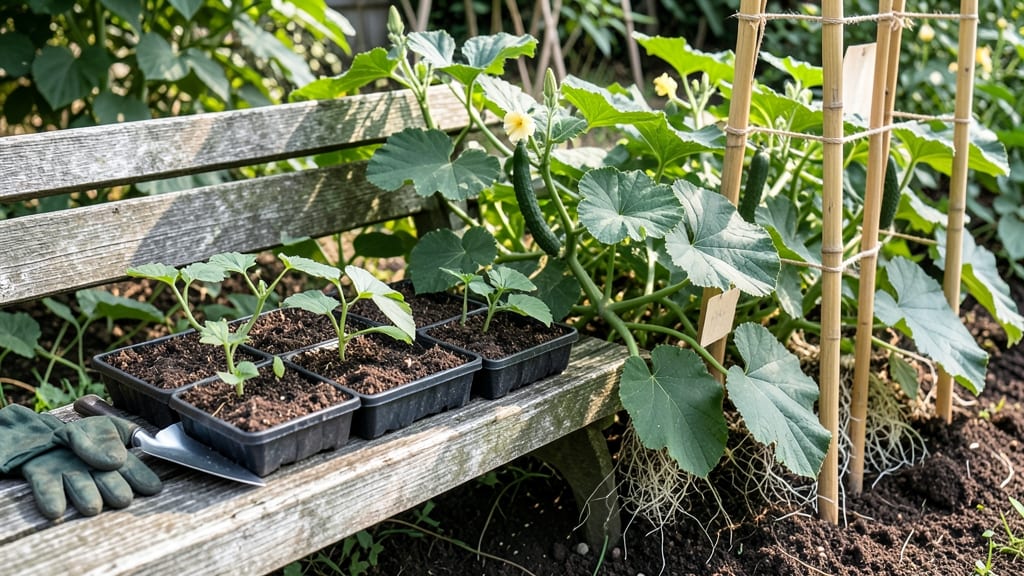
Plant cucumbers in West Virginia after the last frost date — typically mid-May for Zone 7a and early May for Zone 8a — when soil temperatures hit 60°F for consistent germination.
West Virginia’s humid summers and varied microclimates make timing your cucumber planting the difference between a bountiful harvest and wilted vines. If you wait too late, heat arrives before fruit sets, leaving you with six-foot vines and nothing to pick.
The key is aligning your planting with soil warmth and local frost patterns. In Zone 7a, aim for mid-April to early June for spring crops, while Zone 8a gardeners can start slightly earlier. For a fall harvest, late July is your best bet.
Below, I break down the exact frost-free windows by zone, soil prep tips to speed up germination, and how to adjust for West Virginia’s unpredictable weather patterns.
West Virginia cucumber planting dates by Zone (7a vs 8a)
Timing your cucumber planting in West Virginia is all about beating the last frost while giving your plants enough warm soil to thrive.
In Zone 7a, where frosts linger slightly longer, you’ll need to wait until mid-May for most areas, while Zone 8a gardeners can start as early as late April. The key is soil temperatures above 60°F, which triggers faster germination and stronger vines.
Cucumbers are warm-season crops that despise cold soil, so rushing the process leads to poor germination or leggy, weak plants. I’ve learned from my own trials that using black plastic mulch can warm the soil by 5-10°F, giving you an earlier start—especially valuable in Zone 7a’s cooler springs.
Always check your local last frost date (typically April 15 for Zone 8a and May 1 for Zone 7a) as your baseline.
For direct sowing, wait until the soil temperature consistently stays above 60°F—this usually aligns with May 15 in Zone 7a and April 25 in Zone 8a.
If you’re transplanting seedlings, start them indoors 4-6 weeks before your target outdoor date. I’ve found that using biodegradable pots reduces transplant shock when moving them outdoors.
West Virginia’s summers can bring sudden heatwaves, especially in July and August. To protect your cucumbers, use 30% shade cloth in Zone 7a and 20% in Zone 8a during extreme heat (>90°F).
This prevents sunscald and maintains humidity levels that cucumbers crave. Always water deeply in the morning to avoid fungal diseases like powdery mildew.
Don’t overlook the fall planting window—cucumbers planted in late July for Zone 7a or early July for Zone 8a can produce a second harvest before the first frost. Choose heat-tolerant varieties like ‘Straight Eight’ or ‘Marketmore 76’ for better success in shorter seasons.
Pro tip: Test your soil pH (ideal range is 6.0-6.8) before planting. West Virginia’s clay soils often need compost or aged manure to improve drainage. I’ve seen cucumbers thrive in amended soil with 1-2 inches of organic mulch to retain moisture and suppress weeds.
If you’re in a microclimate (like a south-facing slope or urban heat island), you can plant 1-2 weeks earlier than the general guidelines. Always monitor your local weather forecasts for unexpected cold snaps, which can delay planting by weeks.
Remember, cucumbers grow fastest when soil temperatures stay
5 Critical factors that affect cucumber growth in WV’s climate
West Virginia’s humid summers and mountain microclimates create unique challenges for cucumber growers. Unlike flatter regions, our elevation shifts mean urban Charleston may have a 2-week earlier frost-free window than rural Pocahontas County. Understanding these 5 critical factors will help you time plantings perfectly for your specific location.
First, soil temperature is non-negotiable—cucumbers won’t germinate below 60°F. In Zone 7a, this often means waiting until mid-May after the last frost, while Zone 8a gardeners can start 2 weeks earlier.
Rural areas with cooler nights may need to push planting to late May to avoid blossom-end rot from temperature swings.
Humidity levels in WV (often exceeding 70%) demand proper airflow to prevent powdery mildew. Urban gardens with concrete heat islands can bake plants, while mountain valleys trap moisture. My solution? Use trellises for vining varieties and space plants 3 feet apart to improve circulation.
Adjusting planting times based on local microclimates is key. In Zone 7a, aim for May 15-30 for direct sowing, while Zone 8a can start May 1-15.
For fall harvests, rural areas might squeeze in a late July planting, but urban heat often limits this to early August.
Remember, soil preparation starts 2 weeks before planting. Work in aged compost and well-rotted manure to improve water retention and nutrient availability. In heavy clay soils, consider raised beds with 50% compost for optimal drainage.
For urban gardeners, container growing is an option—just ensure pots are at least 12 inches deep and use self-watering systems during heatwaves. Rural growers with longer frost-free seasons can experiment with succession planting every 2 weeks for extended harvests.