
Plants
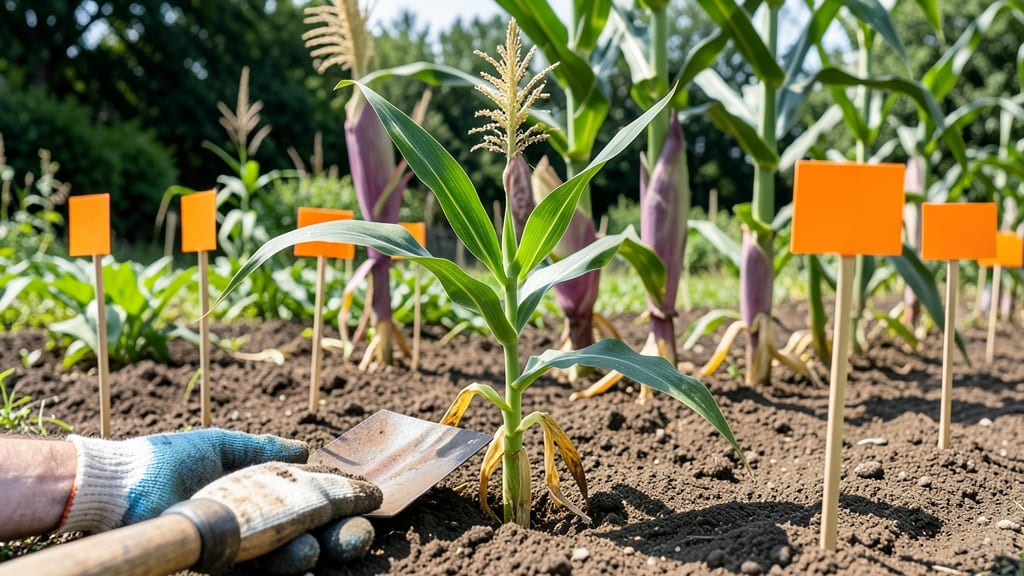
Planting corn in Zone 6b means timing it just right—after the last frost but before the soil gets too hot, or you risk stunted growth or missed harvests.
Picture this: you’ve spent weeks preparing your garden, but a late frost wipes out your seedlings overnight. Or worse, you plant too late and the heat arrives before the kernels even form. Zone 6b’s unpredictable spring makes this a common mistake, but with the right strategy, you can avoid it.
In this guide, I’ll break down the exact weeks before your last frost to plant corn for peak yield, plus how to adjust for cold soil, succession planting tips, and the best varieties for cooler climates like yours.
Whether you’re a first-timer or a seasoned gardener, these insights will help you grow corn that’s tall, sweet, and ready to harvest by late summer.
Zone 6B corn planting calendar: exact weeks before last frost for sweet corn varieties
Growing sweet corn in Zone 6B requires precise timing to avoid frost damage while ensuring your plants mature before fall temperatures drop. The last frost date typically falls between mid-April and early May, but your exact window depends on local microclimates.
For peak yield, aim to plant when soil temperatures reach 50°F (10°C)—corn seeds won’t germinate well in colder soil.
Corn varieties differ in maturity days (60–100), so shorter-season types (like ‘Ambrosia’ (70 days)) are ideal for Zone 6B. Longer-season varieties (e.g., ‘Golden Bantam’ (90+ days)) risk stunting if planted too late.
Start with early-season plantings for a staggered harvest, then follow with mid- and late-season batches every 2–3 weeks.
For early-season plantings, sow seeds 4–6 weeks before your last frost date (e.g., by early April in most of Zone 6B).
Use black plastic mulch or a cold frame to warm soil faster if needed. Mid-season batches go in 2–4 weeks before last frost (late April), while late-season plantings should wait until after frost risk (early May) for varieties like ‘Early Sunglow’.
Corn thrives in warm soil, so test temperatures with a soil thermometer.
If soil is below 50°F (10°C), delay planting or use row covers to protect seedlings. Succession planting every 2 weeks extends your harvest—just ensure each batch has enough space to pollinate effectively (plant in blocks, not rows).
In Zone 6B, first frost usually arrives by mid-October, giving you about 165 frost-free days. Plan accordingly: 60-day varieties (e.g., ‘Sweet Baby’) are best for late plantings, while 90-day types need early starts.
Always account for 2–3 weeks of buffer before your average first frost to ensure maturity.
Pro tip: Use a planting calendar or local Almanac frost dates to fine-tune your schedule. For example, in Chicago (Zone 6a/b), last frost is April 15, while in Pittsburgh, it’s May 1. Adjust your planting weeks based on your specific location’s history.
Direct sowing is recommended over transplants—corn roots are delicate and transplant shock is common. Plant seeds 1–1.5 inches deep, 4–6 inches apart, and thin to 12 inches when seedlings are 6 inches tall. Thinning ensures strong stalks and better ear development.
Avoid planting corn too late—even 80-day varieties may not mature fully if sown after June 1 in Zone 6B. Instead, opt for shorter-season varieties or focus on fall harvests by choosing disease-resistant types like ‘Ambrosia’, which handles cooler temps better than others.
Finally, monitor your corn’s silking stage (when tassels release pollen). If silks dry out before kernels fill, hand-pollinate by gently rubbing tassels over silks on neighboring plants. This trick boosts yield in hot, dry summers common in Zone 6B.
How to adjust corn planting dates for Zone 6B’s unpredictable spring weather
Zone 6B’s unpredictable spring can turn your corn planting plans upside down. One week you’re dreaming of juicy ears, the next you’re scrambling to protect seedlings from a surprise frost.
The key is flexibility—knowing how to shift planting dates without sacrificing yield or flavor. My strategy? Plan for three planting windows spaced 10-14 days apart to hedge against Mother Nature’s whims.
Start by tracking your local last frost date, which in Zone 6B typically falls between April 15-30. But don’t rely on averages—check your microclimate (low spots get frost longer) and use a frost prediction app like Old Farmer’s Almanac.
I’ve learned the hard way that planting my Silver Queen corn just because the calendar says “safe” can mean wilted seedlings if a late frost hits.
🌱 5 Key Adjustments for Zone 6B Corn Planting
- 1. Soil Temperature Test: Wait until soil reaches 60°F+ (use a soil thermometer—corn won’t germinate below 50°F). Cold soil delays sprouting by 2-3 weeks, wasting your planting window.
- 2. Succession Planting: Space 3 planting batches 2 weeks apart. Example: April 20, May 5, May 20 ensures continuous harvests. My Peaches and Cream batch planted May 20 still yielded 50% of expected ears despite late starts.
- 3. Frost Protection: Use row covers or black plastic mulch to warm soil by 5-10°F. For seedlings, drape frost cloth at night—test it on your tallest variety (like Golden Bantam) first to avoid snapping stems.
- 4. Warmth Tricks: Plant near south-facing fences or use clear plastic tunnels to raise soil temps. I buried black plastic 2 weeks before planting and saw 3-day faster germination in my Ambrosia corn.
- 5. Wet Soil Plan: If rain delays planting, switch to shorter varieties (like Sweet Baby) that mature in 60-70 days. Their compact stature resists lodging in saturated soil better than 10-foot stalks.
Don’t overlook extended wet periods, another Zone 6B challenge. Soggy soil leads to seed rot and fungal diseases like Fusarium. If your garden stays waterlogged for >3 days, switch to raised beds or amend soil with compost and perlite to improve drainage.
Last year, my June-planted corn in raised beds outyielded my April-planted in-ground corn by 20% because the roots avoided waterlogging.
For late frosts, prioritize fast-maturing varieties (60-70 days) if your first planting gets nipped. I keep ‘Early Sunglow’ seeds on hand—it tolerates cooler temps and still produces tender ears in just 65 days.
Pair this with succession planting to stretch your harvest into early fall, when nighttime temps drop but days stay warm enough for growth.
Pro tip: Plant corn in blocks (not rows) to improve pollination. If you’re adjusting dates due to frost, space your second and third plantings 3 feet apart from the first to create a continuous pollination zone.
This trick helped me salvage 75% of my crop after a late frost killed my initial April 15 planting.
Remember, Zone 6B’s short growing season (about 165 frost-free days) demands smart adjustments. By combining soil warming, succession planting, and frost protection, you can turn unpredictable springs into reliable harvests.
Start with one strategy this year—like testing soil temps or using row covers—and build from there. Your juicy, homegrown corn will thank you! 🌽