
Plants
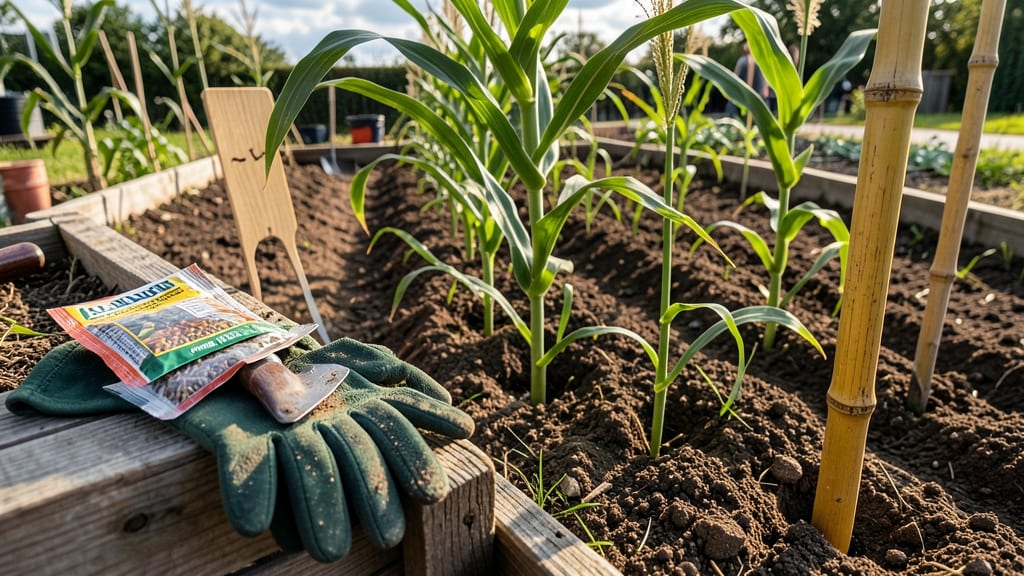
Planting corn in Northern California requires timing it right to avoid frost or heat stress, especially in zones 8a-9b where microclimates vary wildly.
Northern California’s diverse microclimates—from coastal fog belts to inland heat sinks—can turn corn planting into a high-stakes guessing game. Get the timing wrong, and frost or heat stress will ruin your harvest before it even begins.
For most of the state, the ideal window is mid-April to early June, when soil temperatures hit 50°F+ and frost risk fades. But coastal areas like San Francisco may wait until late May, while inland valleys like Sacramento can start as early as March in sheltered spots.
Below, I break down the exact planting schedule by region, soil temperature tricks to speed up germination, and the fastest-maturing varieties that thrive in Northern California’s short season.
Northern California corn planting zones: when to start seeds by region
Northern California’s diverse microclimates make corn planting a regional puzzle. Coastal areas like San Francisco and Santa Cruz experience delayed springs due to fog, while inland valleys like Sacramento and Stockton warm up faster.
Even within USDA zones 8a-10a, your last frost date can vary by 2-4 weeks, so timing is everything.
Sweet corn (Zea mays) thrives when planted after soil reaches 50°F (10°C), but heat-sensitive varieties like 'Golden Bantam' need cooler conditions. Field corn (dent corn) tolerates higher temperatures but requires longer growing seasons.
Below, I’ve broken down planting windows by region, accounting for frost risk, soil warmth, and heat tolerance.
🌽
| Region | USDA Zone | Avg. Last Frost | Best Planting Window | Soil Temp. for Germination | Recommended Varieties |
|---|---|---|---|---|---|
| Bay Area (San Francisco, Oakland) | 9a-9b | April 15–May 1 | Late April–early June | 55–60°F (13–16°C) | 'Sugar Buns', 'Silver Queen' |
| Sacramento Valley (Sacramento, Stockton) | 8a-9a | March 15–April 1 | Mid-April–early May | 50–55°F (10–13°C) | 'Peaches & Cream', 'Ambrosia' |
| Sierra Foothills (Chico, Redding) | 7b-8a | April 1–May 1 | Early May–mid-June | 50–55°F (10–13°C) | 'Golden Bantam', 'Country Gentleman' |
| Coastal (Santa Cruz, Monterey) | 9b-10a | May 1–15 | Late May–early July | 60–65°F (16–18°C) | 'Honey & Pearl', 'Kandy Korn' |
In the Bay Area, coastal fog often delays planting until late April, but early-maturing varieties like 'Sugar Buns' (70 days to harvest) can still yield a summer crop. Use row covers to warm soil faster if you’re eager to plant sooner.
For the Sacramento Valley, where last frosts average March 15–April 1, aim for mid-April starts. Heat-tolerant varieties like 'Peaches & Cream' handle the valley’s 90°F+ days better than traditional sweet corn. Plant in succession every 2 weeks for continuous harvests through September.
🌡️
The Sierra Foothills present unique challenges due to elevation-driven temperature swings. Areas like Chico (USDA 8a) can see late frosts into May, so wait until early May to plant. Short-season varieties like 'Golden Bantam' (80 days) are ideal, as they mature before summer heat peaks.
Coastal regions like Santa Cruz and Monterey have warmer winters but cooler summers, making late May–early July the sweet spot. Heat-sensitive varieties like 'Honey & Pearl' thrive here, but avoid planting too late—August heat waves can stress plants before harvest.
🌿
Pro tip: Use a soil thermometer to confirm warmth before planting. Corn seeds won’t germinate below 50°F (10°C), and cooler soils slow growth. In microclimates with rocky soil (common in the Sierra Foothills), add compost to improve heat retention.
For field corn (used for grain or livestock), extend your planting window by 2–4 weeks later than sweet corn. Varieties like 'Mira' tolerate heat better and mature in 90–110 days, making them ideal for Sacramento’s longer growing season.
How to time corn planting for zero-frost risk using soil temperature
Corn seeds need consistent soil temperatures of at least 50°F (10°C) to germinate, but they thrive best when soil reaches 60°F (15°C). In Northern California, this means waiting for spring warmth—especially in cooler coastal regions—while inland areas like Sacramento can plant earlier.
Without proper timing, your seeds may rot in cold soil or emerge too late for a full harvest.
To avoid frost damage and ensure strong germination, I rely on soil temperature readings rather than just air temperatures. A soil thermometer (or even a simple meat thermometer) inserted 2 inches deep gives the most accurate reading.
For early starts, I’ve used heat mats or black plastic mulch to warm the soil faster in high-elevation gardens like those in the Sierra foothills.
- 1
- 2
- 3
- 4
- 5
For coastal gardens, where fog delays warming, I’ve had success using row covers after planting to trap heat. In dry inland areas, like the Central Valley, mulch helps retain moisture while warming the soil.
Always monitor weather forecasts for late frosts—even in June, a 50°F night can stunt young corn.
If your soil stays below 50°F for more than a week, hold off planting. Corn seeds won’t germinate in cold soil, and forcing them can lead to rot or weak seedlings.
Patience here pays off with stronger plants and higher yields by harvest time. Once your soil hits 60°F consistently, it’s time to get those seeds in the ground!
🌱