
Plants
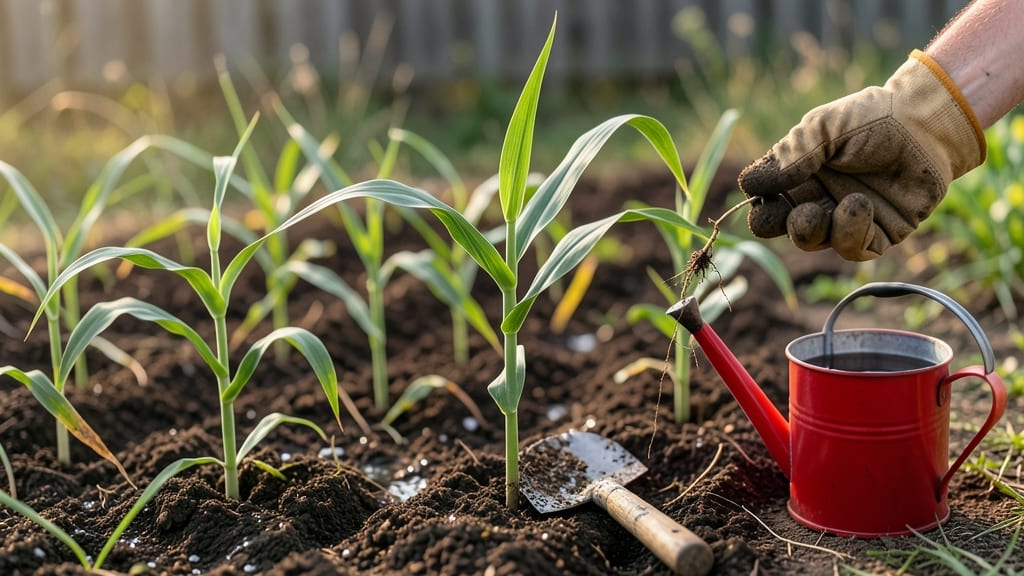
Planting corn in New Mexico after the last frost—when soil hits 60°F—sets you up for a harvest that rivals the best backyard yields in the state.
Timing your corn planting in New Mexico could mean the difference between a bountiful harvest and a disappointing flop—especially in zones 6A-7B where heat and altitude play critical roles.
One week too early, and frost will nip tender seedlings; too late, and the summer heat arrives before the ears even form.
Most gardeners in the Rio Grande Valley (zone 7B) can start as early as mid-April, while those in the high desert (zone 6A) should wait until late April or early May. The key is checking soil temperature with a simple probe—60°F is non-negotiable for germination.
Below, I break down the exact planting windows by zone, how to adjust for microclimates, and the 5 proven tips to stretch your growing season for maximum ears—no guesswork, just data-backed timing for New Mexico’s unique conditions.
Optimal corn planting dates in New Mexico by USDA zone 6A-7B (with soil temperature guide)
Timing your corn planting in New Mexico requires precision, especially in USDA zones 6A-7B, where altitude shifts frost dates and soil warms unevenly.
In these zones, the last frost typically arrives between mid-March and early April, but your planting window shouldn’t start until soil temperatures hit 60°F or warmer. Corn is sensitive to cold soil, which can stunt root growth and delay maturity—critical in New Mexico’s short 150-220 frost-free days.
For gardeners in Albuquerque (Zone 6B) or Santa Fe (Zone 6A), aim for mid-April to early May plantings. In Las Cruces (Zone 7B) or Roswell (Zone 7A), you can start slightly earlier—late March to mid-April—thanks to warmer lowland soils.
However, rushing can backfire if a late frost hits; corn seedlings won’t survive temperatures below 50°F.
To verify your soil is ready, perform a simple finger test: stick your hand 2-3 inches deep into the soil. If it feels warmer than your wrist and crumbles easily, it’s plant-ready.
For a more precise check, use a soil thermometer—corn seeds need consistent 60°F+ soil temps to germinate reliably. In high-altitude areas like Santa Fe (Zone 6A), soil may lag behind air temperatures by 1-2 weeks, so monitor closely.
For early-season plantings in Zone 7B (e.g., Las Cruces), you can push the envelope with cold-tolerant varieties like 'Peaches and Cream' or 'Silver Queen', which handle 55°F soil temps. However, in Zone 6A, wait until mid-April to avoid frost risk—even a light freeze (28°F) can kill young seedlings.
If you’re unsure, opt for late April plantings and use row covers for added protection.
New Mexico’s dry climate means soil warms faster than in humid regions, but wind and altitude can create microclim
How to adjust corn planting dates for New Mexico’s microclimates (high desert vs. Rio Grande Valley)
New Mexico’s dramatic elevation shifts create distinct corn planting zones. The Rio Grande Valley (zone 7B-8A) enjoys warmer soils 2-3 weeks earlier than the high desert (zone 5B-6A). This means your Albuquerque garden might need late April starts while Las Cruces can plant by mid-March.
The key difference? Soil warms faster at lower elevations—and stays warmer longer.
Wind exposure also plays a critical role. High desert areas like Santa Fe experience stronger afternoon winds that dry soil quickly, while the Rio Grande Valley benefits from natural irrigation from the river basin.
These factors can shift your planting window by up to 3 weeks depending on location. Let’s break down how to adjust your schedule for each microclimate.
| Factor | High Desert (Albuquerque, Santa Fe) | Rio Grande Valley (Las Cruces, Hatch) | Adjustment Tip |
|---|---|---|---|
| Elevation | 5,000-7,000 ft | 3,500-4,500 ft | Wait until soil reaches 60°F (typically late April) |
| Last Frost Date | Mid-May | Mid-April | Plant 2-3 weeks earlier in Valley vs. Desert |
| Wind Exposure | High (dries soil) | Moderate (river moisture) | Use windbreaks in Desert; mulch in Valley |
| Water Access | Limited (irrigation needed) | Natural moisture | Desert: drip irrigation; Valley: mulch heavily |
| Ideal Planting Window | Late April - Early June | Mid-March - Late May | Valley: earlier varieties; Desert: longer-season types |
For the high desert, focus on cold-tolerant varieties like 'Early Sunglow' or 'Golden Bantam' that mature in 70-80 days. These can handle cooler night temperatures and still produce ears before the first frost.
In contrast, the Rio Grande Valley can support longer-season varieties like 'Peaches and Cream' or 'Silver Queen' (90-110 days) thanks to its extended growing season.
Water management is another critical adjustment. High desert gardens require drip irrigation systems to maintain consistent moisture, while Rio Grande Valley growers can rely more on natural rainfall and mulching.
In both cases, aim for 1-2 inches of water per week during the growing season, but monitor soil moisture closely—corn is drought-sensitive during ear formation.
Pro tip: Use a soil thermometer to verify readiness. Corn seeds need soil temperatures of at least 60°F to germinate properly. In the high desert, this might not happen until late April or early May, while the Rio Grande Valley can start as early as mid-March.
Don’t rush—waiting a week for ideal conditions prevents poor germination and stunted growth.
Finally, consider succession planting in both regions. For the high desert, plant every 2 weeks from late April through early June to extend your harvest window.
In the Rio Grande Valley, you can even squeeze in a fall planting of quick-maturing varieties like 'Ambrosia' (75 days) in late July for a late-summer harvest.