
Plants
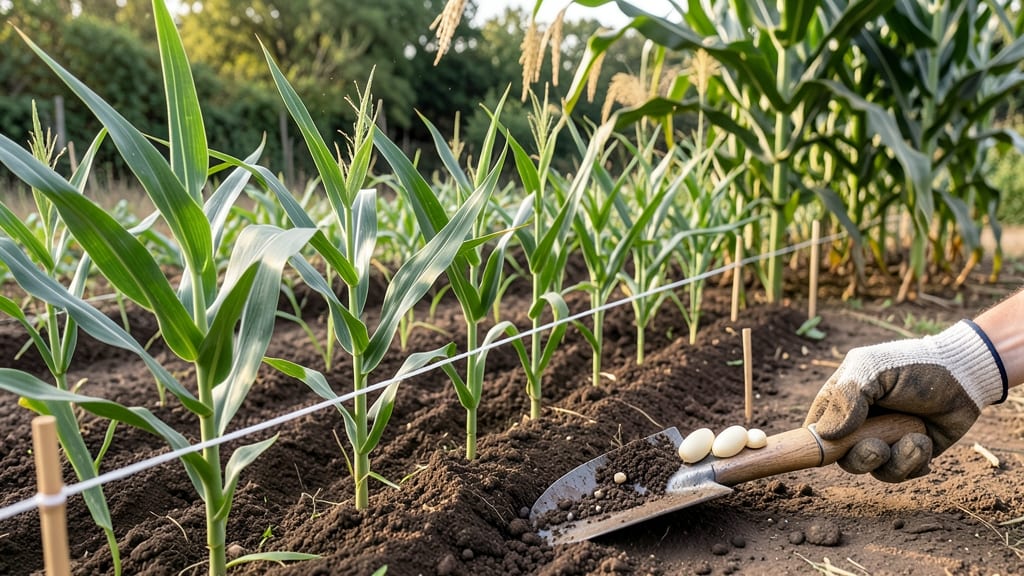
To plant corn in Connecticut at the perfect time means catching that narrow window between frost and heat—too early and cold soils stall germination, too late and your harvest gets nipped by fall frost.
Timing your corn planting in Connecticut can mean the difference between a bumper crop and a disappointing harvest—get it wrong, and frost can wipe out your hard work in days.
With USDA Zone 6a averages of May 5–10 for last frost and October 15–20 for first frost, you’ve got just 165 frost-free days to work with.
This guide breaks down the exact frost-free windows for planting sweet corn, field corn, and popcorn varieties, plus how to adjust for microclimates and soil temperatures.
Whether you’re growing 'Silver Queen' in Hartford or 'Peaches and Cream' in Stamford, knowing when to drop those seeds is the key to a garden full of 🌽.
You’ll learn how to read soil temps, pick the right varieties for your zone, and even stretch your harvest with succession planting—so you’re not left with a single July harvest and nothing after.
Connecticut corn planting calendar by hardiness Zone (5a-7a)
Timing your corn planting in Connecticut is all about working within the 90-day window between last spring frost and first fall frost. Connecticut spans USDA Zones 5a–7a, meaning frost dates vary dramatically—from late April in Zone 7a to mid-October in Zone 5a.
Get this wrong, and your crop could face frost damage before maturity. The key is planting when soil temperatures hit 50°F+ and choosing varieties that mature before the first hard frost.
For example, in Zone 6a (central CT), where most gardeners live, you’ll need to plant between May 15–June 10 to ensure harvest before October 15. Meanwhile, gardeners in Zone 5a (northeast CT) have just a 100-day window, forcing them to rely on early-maturing varieties like 'Early Sunglow'.
The solution? Match your planting window to your zone and variety’s maturity date.
Here’s how to navigate Connecticut’s frost-free timeline by zone, including the best varieties for each region and their ideal planting ranges:
Notice how the planting window shifts 2–3 weeks earlier in Zone 7a compared to Zone 5a? This reflects Connecticut’s 100-mile north-south gradient, where coastal areas (Zone 7a) enjoy 20–30 extra frost-free days than inland highlands (Zone 5a).
If you’re in Zone 6a, you’ll want to prioritize 85–110-day varieties like 'Silver Queen' to avoid frost risk.
For gardeners in Zone 5a, the stakes are higher: a late frost can delay planting until June 1, leaving only 90 days to harvest before October 15. In this case, opt for 'Golden Bantam', a 75-day variety that thrives in cooler soils.
Meanwhile, Zone 7a gardeners can afford to plant later and even try succession plantings in July for a fall harvest.
One critical factor often overlooked is soil temperature. Corn seeds won’t germinate reliably below 50°F, and even at 55°F, sprouting can be uneven. Use a soil thermometer to confirm temperatures—wait until they’re consistently above 60°F for best results.
In Zone 5a, this might mean waiting until late May, while Zone 7a could start as early as mid-April.
Another pro tip: Stagger your plantings every 2 weeks to extend your harvest window. For example, plant one batch on May 15, another on May 30, and a final one on June 15.
This ensures you’re harvesting corn from late July through September, regardless of your zone. Just be sure to leave enough space—corn needs 30 inches between rows and 4–6 inches between plants.
Finally, consider microclimates within your zone. River valleys (like the Connecticut River) stay warmer longer, while high-elevation areas (e.g., Berkshire foothills) may need a 1–2 week delay.
Adjust your planting date accordingly to avoid frost surprises. With the right timing, you’ll enjoy homegrown corn from your garden—no store-bought kernels needed!
🌽
How to adjust planting for Connecticut’s microclimates & soil conditions
Connecticut’s landscape isn’t one-size-fits-all—urban heat islands, river valleys, and high-elevation areas create microclimates that shift planting windows by weeks. For example, Hartford’s 6a zone might be ready for corn by mid-May, while Torrington’s 5a should wait until late May.
These differences mean the gap between success and failure often comes down to soil temperature and local frost patterns.
Start by testing your soil with a seedling thermometer—corn seeds need 55°F+ to germinate properly. In cooler areas like Berkshire foothills, I’ve seen gardeners use cold frames to extend the season by 2–3 weeks, letting them plant 'Bodacious' sweet corn in late May instead of waiting until June.
This trick works especially well for late-spring frosts, which can still hit as late as May 20 in northern CT.
🌱
⚠️ 3 Mistakes That Kill Connecticut Corn Crops
⚠️ Planting too early when soil temps <50°F → Seeds rot or sprout unevenly. Solution: Wait until soil reaches 55°F+ (use a thermometer).
🌡️ Ignoring microclimates → River valleys stay warmer longer, but hilltops freeze faster. Solution: Plant 1–2 weeks later in high-elevation areas (e.g., Berkshires foothills).
📅 Skipping succession planting → One planting = one harvest. Solution: Stagger plantings every 2 weeks for continuous corn (e.g., June 1, June 15, July 1).
Cool soils also risk blacklayer formation, where kernels develop a dark, inedible layer due to uneven growth. This happens when daytime temps soar but nights stay chilly—a common issue in urban gardens with concrete heat absorption.
To prevent it, I recommend mulching with straw to stabilize soil temps and using row covers for early plantings in Zone 5a.
For river valleys like the Connecticut River basin, take advantage of the 10–14°F warmer microclimate by planting 2 weeks earlier than surrounding areas. In contrast, high-elevation gardens above 1,000 feet (e.g., near Mount Tom) may need to delay until June 1 or risk frost damage.
Always check your local Cooperative Extension Service for updated frost data—last year’s averages might not match this year’s unpredictable spring.
Succession planting is your secret weapon for a longer harvest window. In my Zone 6a garden, I plant 'Silver Queen' on May 15, 'Ambassador' on June 1, and 'Peaches and Cream' on June 15.
This ensures fresh corn from late July through August, even if an early frost hits in September. For popcorn varieties, extend the season by choosing longer-maturing types like 'Country Gentleman', which handles CT’s shorter season better than faster but less hardy options.
🌽