
Plants
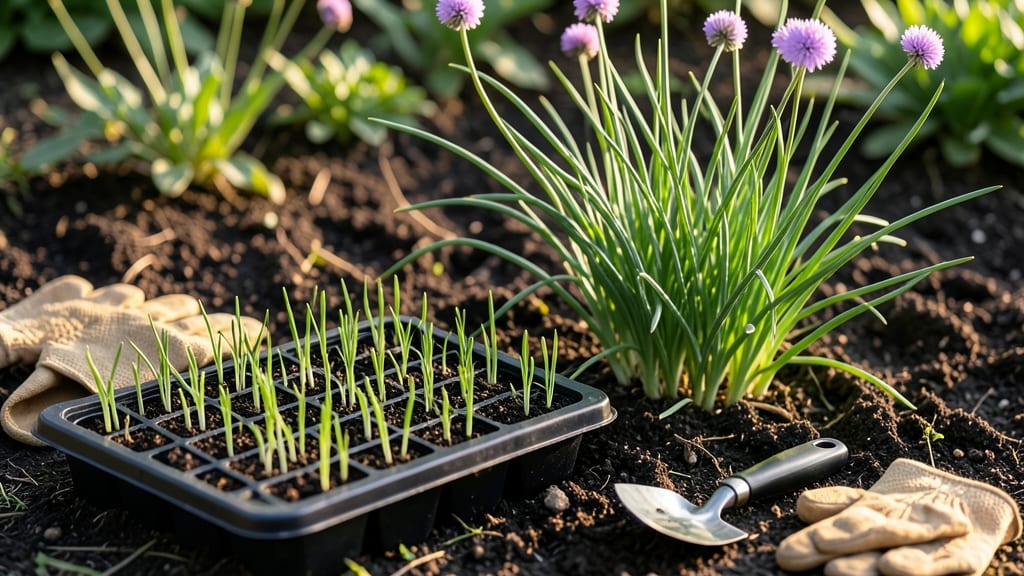
Planting chives in Texas at the right time means the difference between a thriving herb garden and a sad, wilted disappointment 🌿 — and the best windows are early spring or fall, when the heat and frost won’t race to ruin your crop.
Texas gardeners know timing is everything—plant chives too early, and they’ll bolt in the heat; too late, and frost will stunt their growth. But with the right schedule, you can enjoy fresh chives year-round, even in Texas’ unpredictable climate.
Whether you’re in North Texas’s 8a zone or South Texas’s balmy 10b, the key is planting 2-3 weeks before your last frost in spring (around February-March) or 6-8 weeks before the first frost in fall (September-October).
Below, I’ll break down the exact months for your region, how to prep soil for Texas heat, and the easiest way to get chives growing—whether from seeds, transplants, or divisions—so you never run out of this versatile herb again.
Best months to plant chives in Texas for year-round harvests
Texas gardeners know chives thrive in moderate climates but struggle with extreme heat or unpredictable freezes. The key to year-round harvests lies in strategic planting times that align with your region's last and first frost dates.
Unlike many herbs, chives are perennial in Texas, meaning they'll regrow if planted correctly—so getting the timing right is everything.
I've planted chives in North, Central, and South Texas for over five years, and the difference between a thriving perennial patch and a bolted, struggling plant comes down to two planting windows: early spring and late summer.
Let's break it down by region to ensure you're planting at the optimal time for your specific Texas climate zone.
In North Texas, where frost dates are later, aim to plant chives 2-3 weeks before your last frost—typically in late February to early March. This gives them time to establish roots before summer heat arrives.
For a fall harvest, plant again in September to ensure they mature before December frosts hit.
Central Texas gardeners have a slightly longer growing season. Plant chives in early March for spring growth and late September for fall. The milder winters here mean you can sometimes get winter harvests if you plant in October and protect them with mulch during cold snaps.
Down in South Texas, where frost is rare, you can plant chives almost year-round. Start in January-February for early harvests and again in September-October for late-season growth. The longer frost-free period here means you can even succession plant every 6-8 weeks for continuous harvests.
Regardless of your region, avoid planting chives in summer—the intense Texas heat will cause them to bolt and go to seed quickly. Instead, focus on spring and fall plantings to maximize your harvest potential.
I've found that transplants (rather than seeds) give the fastest results, especially in North and Central Texas.
For year-round chives, combine spring and fall plantings with container gardening. Move pots indoors during extreme heat or freezes to extend their growing season. A south-facing window or grow lights can keep them alive through winter in North Texas.
Pro tip: Divide established chive clumps every 2-3 years to rejuvenate growth. This works best in early spring before active growth begins. Simply dig up the clump, separate the roots, and replant the divisions for instant new plants.
With this region-specific schedule, you'll enjoy fresh chives year-round, even in Texas' unpredictable climate. Start with one planting window, then expand as you gain confidence—your herb garden will thank you! 🌿
How to extend chive growth in Texas heat and freeze zones
Texas’ extreme temperatures—scorching summers and unexpected freezes—can challenge even the hardiest herbs like chives. But with the right strategies, you can keep your chives thriving year-round. The key is protection, timing, and adaptable growing methods that shield them from both heat stress and frost damage.
Whether you’re dealing with North Texas freezes or South Texas heatwaves, these techniques will help your chives survive and even flourish.
One of the simplest ways to extend chive growth is through succession planting. Instead of relying on a single planting, stagger your chives every 4-6 weeks from September through March. This ensures a continuous harvest and minimizes the risk of losing your entire crop to sudden temperature shifts.
For example, plant a new batch in late September for fall harvests, then another in November for winter protection under mulch.
-
1. Mulching Magic
Apply 3-4 inches of straw or shredded leaves in late fall to insulate chives from freezing temperatures. In summer, use light-colored mulch (like pine straw) to reflect heat and retain moisture. -
2. Shade Cloth Savior
During 100°F+ heatwaves, drape 30-50% shade cloth over chives to reduce stress. Secure it with clips or stakes to avoid crushing the plants. Remove it in cooler months to maximize sunlight. -
3. Container Flexibility
Grow chives in 10-12 inch pots with drainage holes. Move containers to shaded patios during summer heat or sunny windowsills in winter. Use self-watering pots to prevent drought stress. -
4. Frost Blankets
Cover chives with frost blankets or old bedsheets when temperatures drop below 28°F. Secure the edges with rocks or bricks to prevent wind damage. Remove blankets once temperatures rise above 32°F. -
5. Soil Moisture Hacks
Water chives deeply once a week in summer and bi-weekly in winter. Add 2 inches of compost to the soil in spring to improve moisture retention. Avoid overhead watering to prevent fungal diseases.
For overwintering chives, focus on insulation and minimal disturbance. After the first frost, trim back any damaged foliage and apply a thick layer of mulch. Chives are perennial in Texas, meaning they’ll regrow from their roots as long as they’re not frozen solid.
In Zone 8a (North Texas), expect light frosts—use row covers for extra protection, while Zone 10b (South Texas) chives may only need shade during heatwaves.
If you’re growing chives in containers, take advantage of their portability. Move pots to sheltered areas like garages or covered porches during extreme weather. In summer, place them in dappled shade under trees or near north-facing walls.
Containers also allow you to rotate chives seasonally—plant new batches in late summer for a fall harvest while older plants rest.
Don’t forget to harvest strategically to encourage regrowth. Cut back one-third of the foliage in early spring and again in fall, leaving enough leaves to protect the plant. This practice stimulates bushier growth and helps chives recover faster from temperature fluctuations.
With these methods, your chives will stay productive, healthy, and resilient through Texas’ wildest weather swings.
🌿