
Fertilization
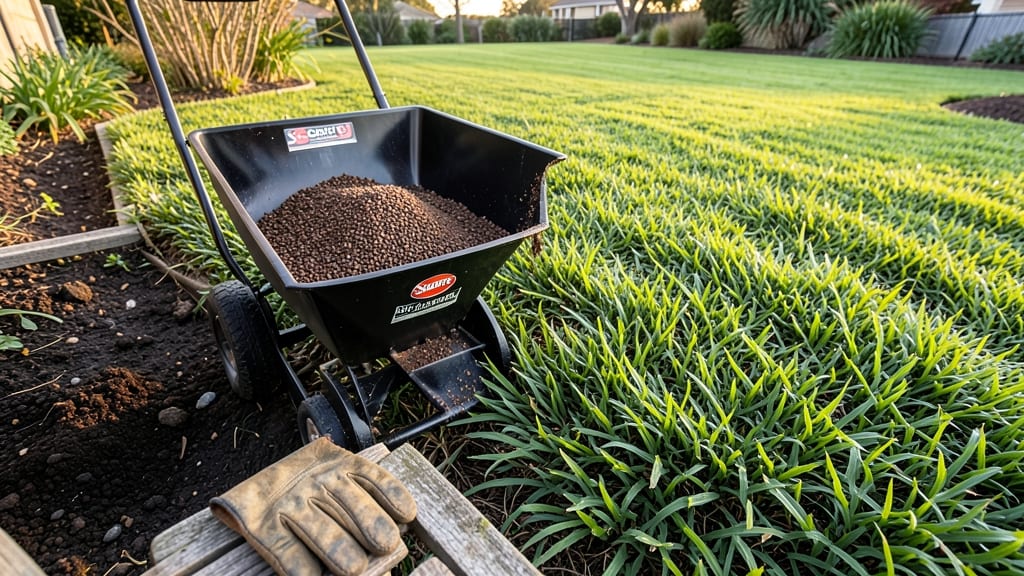
Fertilizing your lawn in Houston, Texas, should follow a schedule that matches the city’s brutal summers and mild winters—because what works in cooler climates will burn your grass here.
Houston’s scorching summers and humid winters mean your lawn’s fertilization schedule must adapt to survive—or even thrive—against the odds. Timing your fertilizer applications correctly can mean the difference between a lush, green carpet and a struggling, patchy yard.
Most lawns in Zone 9a need three key feedings a year: a heavy dose in early spring to kickstart growth, a light touch in summer to avoid stressing the grass, and a final boost in fall to strengthen roots before winter.
But the wrong timing—or too much fertilizer—can turn your yard into a crispy wasteland.
Below, I’ll walk you through the best months to fertilize your 🌱 Lawn Grass, whether you’re growing St. Augustine, Bermuda, or Zoysia, plus how to pick the right fertilizer for Houston’s heat and humidity. No guesswork—just science-backed results.
Houston’s ideal fertilization timeline for heat-tolerant lawns
Houston’s humid subtropical climate creates unique challenges for lawn care. The city’s long, hot summers and mild winters demand a fertilization schedule that aligns with your grass’s natural growth cycles.
Bermuda, St. Augustine, and Zoysia grasses all respond best to seasonal feeding, but timing is everything—apply too early or too late, and you risk burned grass or wasted nutrients.
Most Houston homeowners make the mistake of fertilizing during peak summer heat, which can shock grass roots and lead to brown patches. Instead, we focus on three critical windows: early spring to kickstart growth, late summer for recovery, and fall to strengthen roots before winter.
This approach ensures your lawn stays green, resilient, and healthy year-round.
The summary-table below breaks down the ideal fertilization timeline for Houston’s most popular grass types, including key actions and why they work for our climate.
Houston’s spring months (March–May) are the most critical for fertilization. This is when your lawn wakes up from dormancy and begins rapid growth. A high-nitrogen feeding in March gives Bermuda and Zoysia the boost they need to thicken before summer’s heat sets in.
For St. Augustine grass, which thrives in Houston’s humidity, we recommend a balanced fertilizer (like 16-4-8) to encourage even growth without overstimulating.
By June and July, Houston’s temperatures often exceed 90°F (32°C), making traditional fertilization risky. Instead, we switch to light, slow-release fertilizers to avoid burning grass blades. This approach also aligns with Houston’s monsoon season, where heavy rains can wash away nutrients
How Houston’s weather affects fertilizer choices and application tips
Houston’s humid summers and mild winters create unique challenges for lawn fertilization. The extreme heat can burn grass if fertilizers aren’t applied correctly, while humidity increases the risk of fungal diseases. Choosing the right fertilizer type and timing applications to match the climate is essential for a healthy lawn.
In Houston’s Zone 9a, warm-season grasses like Bermuda and Zoysia dominate, while St. Augustine thrives in shaded areas. These grasses have different nutrient needs during the year, especially when temperatures fluctuate. Understanding how to adjust your fertilization strategy based on seasonal changes is key to avoiding common mistakes.
⚠️ callout-warning
Houston’s clay-heavy soil also plays a role in fertilizer choices. Clay soil retains moisture and nutrients, which can lead to over-fertilization if not managed properly. Opt for slow-release fertilizers to provide steady nutrition without overwhelming the soil. These products release nutrients gradually, matching the grass’s growth rate and reducing waste.
After applying fertilizer, watering schedules become critical. In Houston’s heat, you should water deeply and infrequently—about 1–1.5 inches per week—to encourage deep root growth. Fertilizer applications should always be followed by 24–48 hours of watering to help nutrients penetrate the soil and reach the roots effectively.
Watch for signs of over-fertilization, such as yellowing grass, leaf burn, or excessive growth followed by sudden wilting. These symptoms often appear when too much nitrogen is applied, especially in hot weather.
Conversely, under-fertilization may show as pale or thin grass, slow growth, or increased weed presence.
For Houston lawns, fall fertilization (September–October) is often the most effective time to prepare for winter. This helps grass establish strong roots before the cooler months. In spring (March–April), a balanced fertilizer with a higher nitrogen content can kickstart growth after the dormant season.