
How To
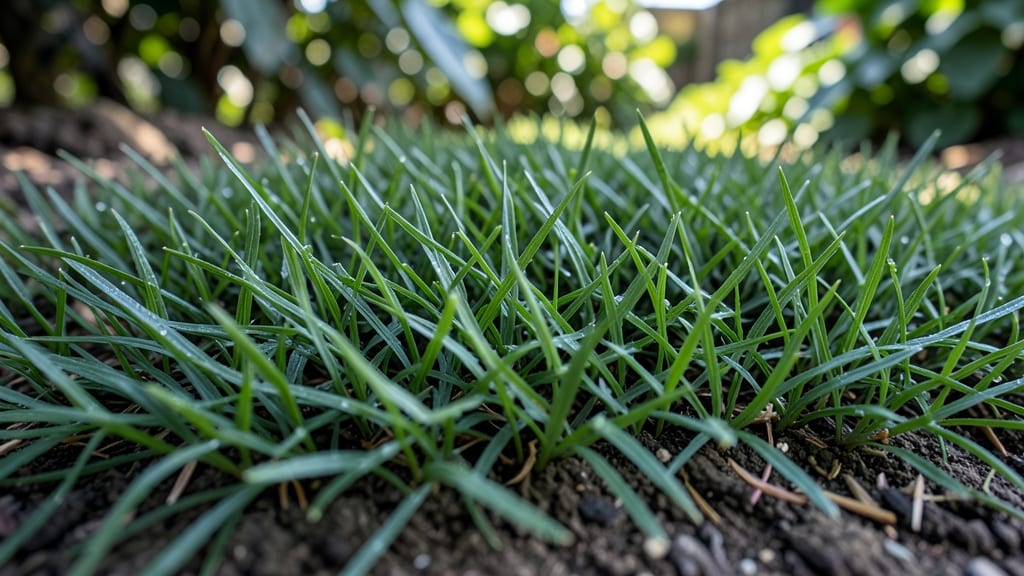
To plant centipede grass in Georgia, aim for late spring to early summer when soil temperatures hit at least 60°F—this is the fastest way to establish a thick, drought-resistant lawn before summer heat arrives.
Georgia’s hot summers and humid climate make centipede grass a favorite for homeowners—but planting it at the wrong time can lead to slow growth or even failure. Timing is everything for establishing a lush, low-maintenance lawn that thrives in USDA Zone 8a.
If you’ve ever watched a patchy lawn struggle to take hold, you know how frustrating it can be. The key is planting after the last frost (usually by mid-April) when the soil is warm enough for roots to spread quickly.
Below, I’ll walk you through the exact window for planting, how to prep your soil, and the 3 critical steps to ensure your centipede grass grows strong and fast—no guesswork involved.
Best planting windows for centipede grass in Georgia’s Zone 8a climate
Georgia’s Zone 8a climate offers two prime windows for planting centipede grass—late spring and early fall.
These periods align with soil temperatures and rainfall patterns that help young grass establish strong roots before summer’s intensity or winter’s dormancy. Timing is critical because centipede grass struggles when planted too early (cold soil) or too late (heat stress).
In Atlanta’s inland microclimate, where nights cool faster, the ideal window stretches from mid-April to early June. Meanwhile, Savannah’s coastal climate allows planting as late as early July due to milder temperatures and higher humidity.
Always check your local soil temperature—it should be at least 60°F (15°C) at 4 inches deep for optimal germination.
For late-spring planting, aim to finish by mid-June in Atlanta to avoid summer’s 90°F+ (32°C+) soil temperatures, which can scorch young seedlings. In Savannah, the cooler coastal breezes extend the window slightly, but still prioritize establishing roots before July’s heat.
Use a soil thermometer to confirm readiness—60°F+ at 4 inches deep is non-negotiable.
If you prefer fall planting, August is your best bet in Zone 8a. By this time, summer’s peak has passed, and soil remains warm enough for germination while daytime highs drop below 90°F (32°C).
In Atlanta, September planting can work if you choose shaded microclimates (e.g., north-facing yards), but avoid planting after September 15 to prevent frost damage to tender new growth.
Regional microclimates play a huge role. For example, Athens’ slightly cooler nights allow late-June planting, while Macons’ drier air may require extra irrigation to compensate. Always scout your yard for shaded spots—centipede grass tolerates partial shade, but full sun areas establish faster.
Test your yard’s sunlight exposure for a week before planting to map these differences.
One pro tip: Use sprinkler irrigation or drip lines to maintain consistent moisture during the first 30 days post-planting. Centipede grass has shallow roots initially, so daily light watering (early morning) prevents drought stress.
Once roots reach 4 inches deep (after 6–8 weeks), you can reduce to bi-weekly deep watering.
For sod installation, the timing shifts slightly—late spring to early summer remains ideal, but sod rolls can handle slightly hotter soil (up to 75°F/24°C) better than seed. If using sod, late May to June is perfect for Atlanta, while Savannah can stretch to early July.
Always water sod immediately after laying to activate root growth and reduce transplant shock.
Finally, avoid planting in winter (November–February) or during peak summer heat (July). Winter soils are too cold for germination, and July’s intense heat can cause seed desiccation or fungal issues.
If you miss the ideal windows, early fall (August) is your second-best option—just be prepared to protect seedlings with light row covers if early frosts threaten.
Mastering these planting windows ensures your centipede grass establishes quickly, outcompetes weeds, and thrives through Georgia’s humid summers. With the right timing and care, you’ll have a lush, low-maintenance lawn in no time! 🌱
How to prepare your Georgia lawn for centipede grass planting success
Centipede grass thrives in Georgia’s USDA Zone 8a because it handles heat and humidity better than many other grass types. But before you plant, proper preparation is key to outcompeting weeds and establishing a thick lawn.
The right soil conditions, sunlight exposure, and watering schedule will give your centipede grass the best start possible.
Start by testing your soil pH—centipede grass prefers a slightly acidic range of 5.0–6.0. If your soil is too alkaline, amend it with sulfur or peat moss to lower the pH. This step alone can make the difference between a struggling lawn and one that spreads quickly.
Don’t skip it, even if your soil looks fertile.
⚠️ callout warning
Centipede grass struggles when soil temps drop below 60°F (15°C) or rise above 90°F (32°C). Planting in March or November risks frost damage or heat stress. Aim for late April to early June when nights stay warm but days aren’t scorching. If you miss this window, wait until early September for a second chance.
Next, clear your lawn of existing weeds and debris. Centipede grass spreads slowly at first, so competition from weeds can stall its growth. Use a pre-emergent herbicide in early spring to prevent weed seeds from germinating, or hand-pull weeds before planting.
A clean slate gives your new grass a fighting chance to take root.
Ensure your lawn gets 6+ hours of direct sunlight daily. Centipede grass tolerates partial shade but grows best in full sun. If your yard has shady spots, consider planting shade-tolerant alternatives there. Mark the sunniest areas with stakes to guide your planting layout—this precision pays off in even coverage.
Set up an irrigation schedule before planting. Water deeply 2–3 times per week in the first month to encourage root growth, then taper to 1–2 times weekly once established.
Use a soaker hose or drip system to deliver water at the soil level, reducing evaporation and fungal risks. Morning watering is ideal to let grass dry before evening.
Finally, loosen the top 2–3 inches of soil with a rake or tiller to improve aeration. Spread a thin layer of compost or organic matter to boost fertility without overwhelming the soil.
Level the area gently to prevent water pooling, which can drown young grass roots. With these steps, your centipede grass will establish faster and outcompete weeds naturally.
Once planted, monitor your lawn closely. Centipede grass is drought-tolerant but needs consistent moisture during its first 6–8 weeks. Adjust your watering based on rainfall—don’t let the soil dry out completely, but avoid soggy conditions.
With the right prep, your lawn will be thick, green, and ready to handle Georgia’s heat by summer’s end.