
How To
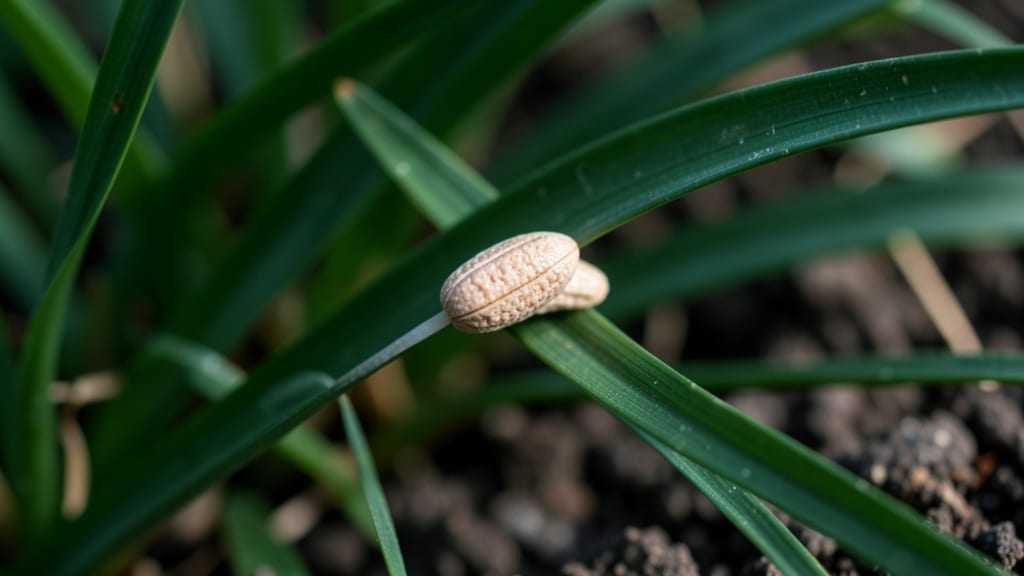
Planting centipede grass seed in North Carolina during late spring to early summer is the secret to a thick, low-maintenance lawn that thrives in the heat.
Skipping the right window can leave your yard patchy and weed-prone, but timing it correctly means fewer headaches and more green. The key? Soil temperatures above 65°F and steady rainfall—both of which align perfectly with May and June for most of the state.
This grass loves North Carolina’s humid climate, but coastal areas and the Piedmont region have slightly different needs. I’ll break down the exact months to plant, how to prep your soil, and what to watch for after you scatter those seeds.
By the end, you’ll know not just when to plant, but how to set it up for success—so you can enjoy that lush, easy-care lawn all summer long.
Best planting months for centipede grass seed in North Carolina
North Carolina’s humid subtropical climate makes centipede grass a top choice for low-maintenance lawns, but getting the planting timing right is critical. This grass thrives in USDA zones 7a-8b, where warm soil and consistent moisture create perfect germination conditions.
The key window? Late spring to early summer (April-May) or fall transition (September-October).
Unlike cool-season grasses, centipede grass hates cold soil—it needs temperatures above 65°F (18°C) to sprout. Plant too early, and frost will kill your seedlings. Too late, and summer heat stress slows growth.
My coastal NC clients often ask if they can plant earlier—yes, but only if soil temps stay warm consistently.
Here’s the exact planting schedule tailored to North Carolina’s microclimates, including coastal humidity and Piedmont heat:
For coastal areas like Wilmington or Morehead City, April planting works because warm Gulf Stream air keeps soil temperatures ideal. In Piedmont cities like Raleigh or Greensboro, wait until May when soil finally warms past 70°F (21°C).
My mountain clients in Asheville often prefer fall planting to avoid summer drought stress.
Watch for rainfall patterns—centipede grass needs consistent moisture during germination. If your area gets less than 3 inches/month, supplement with drip irrigation for 30 minutes daily until seedlings appear (about 10-14 days). Overwatering? That’s just as bad—it causes fungal diseases like brown patch.
Pro tip: Test your soil temperature with a soil thermometer before planting. Bury it 2 inches deep (where seeds will be) and wait until readings stay above 65°F (18°C) for 3 consecutive days. I’ve seen many gardeners rush planting only to have seeds rot in cool, wet soil.
After sowing, mulch lightly with straw to retain moisture and block weeds. Avoid thick mulch—it can smother seedlings. For shady lawns (common in Piedmont forests), choose slow-release seed to extend germination over 4-6 weeks rather than risking all seeds sprouting at once in low light.
Remember: Centipede grass spreads slowly—don’t expect instant results. Give it 3-4 months to establish before expecting full coverage. The September-October window is my second choice because cooler temps reduce weed competition, but spring planting still wins for fastest establishment in North Carolina’s climate.
🌱
How to prepare your soil for centipede grass seed success
Centipede grass thrives in North Carolina’s warm climate, but its success starts with proper soil preparation. Unlike other grasses, centipede prefers acidic, well-draining soil with a pH between 5.8 and 6.5.
Skipping this step can lead to poor germination and weak root development, leaving your lawn susceptible to weeds and disease.
Before planting, I always test my soil’s pH using a home testing kit or sending a sample to the NC State Extension Service. This ensures I’m not wasting time or resources on amendments that won’t help.
If your soil is too alkaline, adding sulfur or peat moss can gradually lower the pH, while lime is a no-go for centipede grass.
⚠️ WARNING: Planting centipede grass seed in North Carolina’s heat without proper soil prep is a recipe for failure. Soil temperatures above 75°F can cause seeds to dry out before germinating, while heavy clay soils trap moisture, leading to rot.
The best time to prep your soil is 4-6 weeks before planting—typically March-April for spring planting or August-September for fall planting.
Start by removing all weeds, rocks, and debris from the planting area. Use a broadfork or tiller to loosen the top 6 inches of soil, breaking up compacted layers. Centipede grass roots need room to spread, so avoid heavy tilling, which can damage soil structure.
After loosening, rake the area smooth to create a fine seedbed—think of it like preparing a soft blanket for your seeds.
Next, amend the soil with organic matter like compost or aged manure to improve drainage and nutrient retention. I mix in about 1-2 inches of compost per square foot, working it into the top 3-4 inches of soil.
For sandy soils, add peat moss to retain moisture, while clay-heavy soils benefit from perlite or coarse sand to prevent compaction. Avoid fresh manure, as it can burn seeds with its high ammonia content.
Drainage is critical for centipede grass. If your yard has low-lying areas that pool water, create slopes or raised beds to redirect runoff. For poor-draining spots, consider installing a French drain or mixing in gypsum to break up clay.
After amending, lightly water the soil to settle it, then let it dry slightly before planting. The goal is moist but not soggy—like a wrung-out sponge.
Finally, apply a starter fertilizer with low nitrogen (5-10%) and higher phosphorus (10-20%) to encourage root growth. I use a slow-release, acid-loving plant fertilizer like 10-0-10 at half the recommended rate. Spread it evenly over the prepared soil and lightly rake it in.
This gives your centipede grass seedlings the phosphorus boost they need to establish strong roots before you even plant the seed.