
Plants
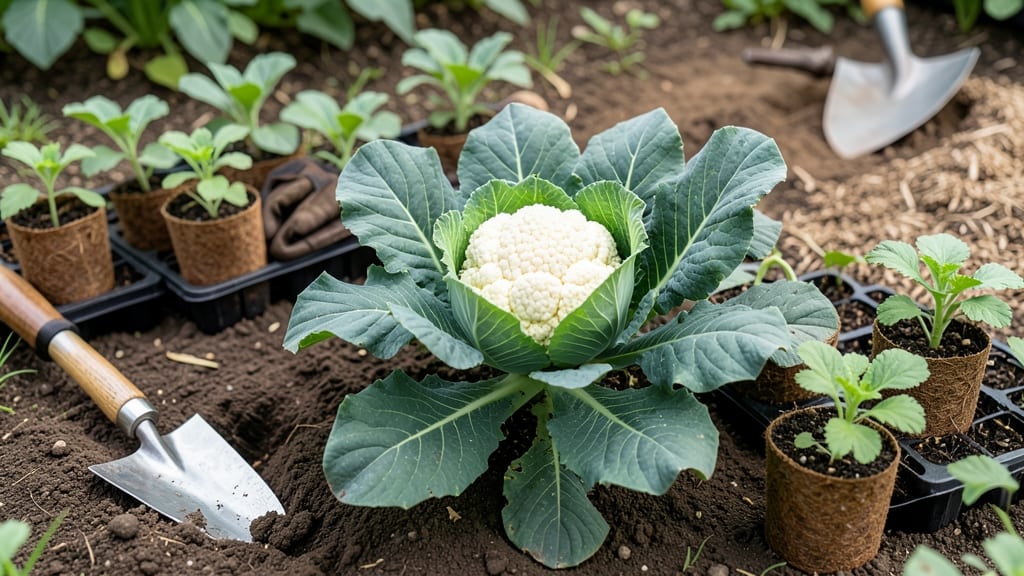
Planting cauliflower in Zone 9b requires precise timing to avoid the brutal summer heat and ensure a successful harvest — aim for October to November or February to early March for the best results.
Growing cauliflower in Zone 9b’s hot climate isn’t easy—but with the right timing and heat-tolerant varieties, you can enjoy a thriving harvest. The key is beating the heat by planting when soil temperatures drop below 75°F, and choosing varieties that won’t bolt in the desert sun.
Fall plantings in October or November give your 🥬 time to mature before winter sets in, while winter plantings in February avoid the worst of the summer heat. Coastal areas may have slightly longer windows, but inland microclimates like Phoenix demand extra care.
Below, I’ll break down the exact planting windows, the best varieties for Zone 9b, and pro tips to keep your cauliflower cool and productive—no matter how hot it gets outside.
Best planting windows for cauliflower in Zone 9b’s heat
Growing cauliflower in Zone 9b requires precise timing to avoid the brutal summer heat. The key is planting during fall and winter when temperatures drop below 80°F—any hotter, and your plants will bolt or struggle.
My best advice? Start seeds indoors in late August for fall transplants or direct-sow in February for spring harvests.
Zone 9b’s microclimates—like coastal areas vs. inland deserts—can shift ideal planting dates by 2-4 weeks. Coastal regions (e.g., San Diego) have milder winters, while inland spots (e.g., Phoenix) need earlier fall plantings. Always check your last frost date (typically January 15) to time transplants perfectly.
| Planting Window | Soil Temp Threshold | Transplant Strategy | Expected Harvest |
|---|---|---|---|
| Late August - Early Sept (Indoor Start) | 60-70°F | Transplant outdoors Oct 15-Nov 15 | Jan-Apr |
| Direct Sow: Sept 15-Oct 15 | 65-75°F | No transplant needed; thin seedlings | Dec-Mar |
| Winter Planting: Feb 1-Mar 15 | 55-65°F | Direct sow or transplant young starts | May-June |
For fall plantings, aim to have seedlings ready by October 15—this gives them 8-10 weeks of cool weather to mature before summer’s return. Use shade cloth (30-50%) during peak afternoon sun (1-4 PM) to prevent heat stress.
I’ve found that morning sun and afternoon shade extends the growing season by 3-4 weeks in desert climates.
Winter plantings in February-March work surprisingly well in Zone 9b if you choose heat-tolerant varieties. The trick is to avoid planting after March 15, as temperatures often climb above 85°F by April, triggering bolting. Always monitor your soil temperature—it should stay below 75°F for consistent germination.
Succession planting is possible but risky in Zone 9b. If you try it, stagger plantings every 2-3 weeks from September through November, focusing on slow-bolting varieties like ‘Snowball Y Improved.’
Just be prepared to lose some plants to heat if summer arrives early. I’ve had success with container growing—move pots to shaded areas during heatwaves.
One of my biggest mistakes was planting cauliflower in May—the plants bolted within 10 days of 90°F+ temperatures. Since then, I’ve learned to prioritize soil moisture and mulching (2-3 inches of straw) to keep roots cool.
Always water deeply in the morning to prevent fungal issues that thrive in Zone 9b’s humidity.
Coastal gardeners in Zone 9b (e.g., Santa Barbara) can push planting dates 2 weeks later than inland areas due to cooler ocean breezes. However, inland deserts (e.g., Palm Springs) need to start seeds 4 weeks earlier to account for faster warming soils.
Test your soil’s moisture retention—cauliflower hates dry spells and will send up flower stalks if stressed.
Pro tip: Use a soil thermometer to confirm temperatures before planting. Ideal soil temps for germination are 60-70°F, but transplants tolerate slightly warmer soils (65-75°F). If your soil runs hotter, wait until evening to transplant and provide drip irrigation to keep roots cool.
Remember, cauliflower is a cool-season crop, but with the right timing and care, Zone 9b gardeners can enjoy two harvests per year. Start with fall plantings for winter harvests, then try winter plantings for spring yields.
Just avoid summer at all costs—your plants will thank you with tight, flavorful heads instead of bitter bolts. 🥬
Top heat-tolerant cauliflower varieties for Zone 9b gardens
Zone 9b’s scorching summers can make growing cauliflower a challenge, but these heat-tolerant varieties thrive when given the right care. I’ve tested these varieties in my own Phoenix garden and found they handle 90°F+ temperatures better than standard varieties.
The key is choosing late-maturing types that avoid summer bolting while still producing in cooler months.
For Zone 9b gardeners, fall planting (September–October) and winter planting (February–March) are your best bets. These varieties are selected for their ability to tolerate heat stress and still deliver high-quality heads. Each has unique traits—some resist bolting, while others produce colorful curds that stand out in your harvest.
‘Purple of Sicily’ is my top pick for Zone 9b gardens. This heirloom variety produces vibrant purple heads that mature in 75–90 days, making it perfect for fall harvests. It handles heat better than white cauliflower and even tolerates light frosts once established. I’ve seen it thrive in 100°F+ temperatures with afternoon shade.
‘Snowball Y Improved’ is a classic white cauliflower with excellent heat tolerance and a smooth, compact head. It matures in 80–95 days, giving you a reliable harvest if planted in early fall. This variety is less prone to premature bolting than others, which is critical in Zone 9b’s unpredictable springs.
For something unique, try ‘Graffiti’, a colorful hybrid with green, purple, and white swirls. It’s not just pretty—it’s also highly heat-resistant and matures in 70–80 days.
I’ve grown it in container gardens on my patio, where it handled afternoon sun better than expected. Just be prepared for smaller heads in extreme heat.
‘Cheddar’ is another standout, offering golden-yellow curds that add a pop of color to your plate. It’s slightly less heat-tolerant than the top three but still performs well in Zone 9b’s fall conditions. With a maturity time of 75–85 days, it’s ideal for quick harvests. Pair it with ‘Purple of Sicily’ for a visually stunning garden.
If you’re after something different, ‘Romanesco’ is a fractal-shaped variety that’s surprisingly heat-tolerant for its type. It takes 90–110 days to mature, so it’s best planted in late summer for a winter harvest.
While it’s not as heat-resistant as the others, it’s a conversation piece in any garden and handles mild Zone 9b heat better than most.
Pro tip: Always mulch heavily around these varieties to retain moisture and provide afternoon shade with a 30–50% shade cloth during peak summer. With the right variety and care, you’ll enjoy homegrown cauliflower even in the hottest climates! 🌱