
Companion Plants
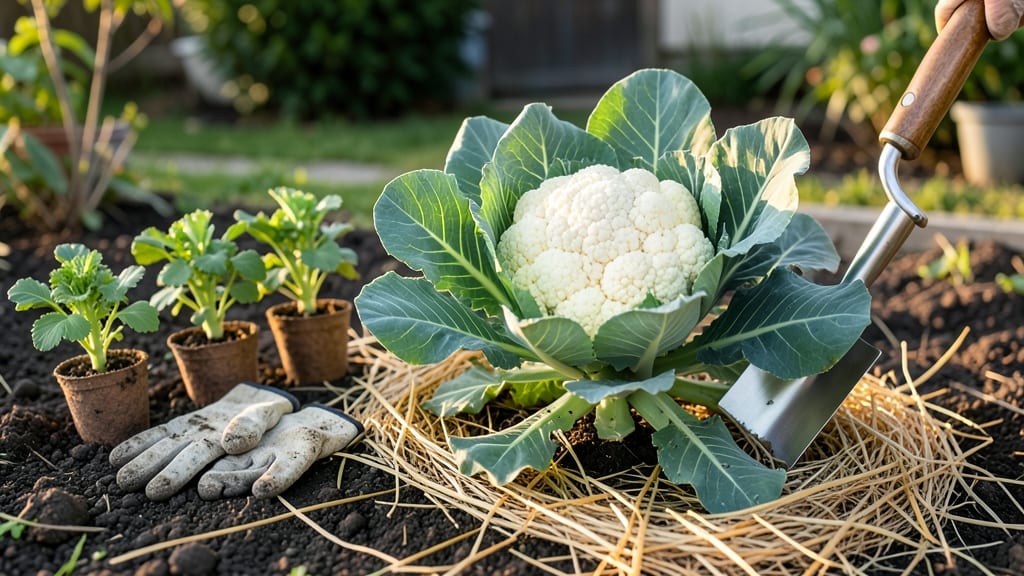
Planting cauliflower in Pennsylvania at the right time means the difference between a bountiful harvest and a bitter disappointment 🥬 — and the clock starts ticking as soon as the snow melts.
Cauliflower thrives in Pennsylvania’s cool climate, but planting it too early or late can ruin your harvest. Timing is everything, especially in USDA Zones 5-7, where frost lingers longer than in warmer regions.
For most of Pennsylvania, the ideal window is late March to early April for spring planting, giving seedlings enough time to mature before summer heat sets in. Fall planting works too, but you’ll need to start seeds indoors by mid-July to harvest before the first frost.
Below, I’ll walk you through the exact dates for your zone, how to prep your soil, and the one trick that keeps your cauliflower from bolting before it’s ready.
Best planting windows for cauliflower in PA by USDA Zone
Cauliflower thrives in Pennsylvania’s cool-season climate, but getting the planting timing right is critical for a successful harvest.
In USDA Zones 5-7, where last frosts can linger until mid-April and first frosts arrive by mid-October, precise timing ensures your plants mature before summer heat or winter frost ruins them.
Unlike heat-loving crops, cauliflower bolts (goes to seed) quickly when exposed to temperatures above 75°F. That’s why Pennsylvania gardeners must focus on spring and fall planting windows—two narrow periods where conditions align perfectly for this cool-loving brassica.
Here’s the breakdown of optimal planting months for each zone, including early vs. late varieties and regional microclimate adjustments like Pittsburgh’s cooler valleys versus Philadelphia’s slightly warmer urban areas.
| Zone | Spring Planting Window | Fall Planting Window | Last Frost Date | First Frost Date | Notes |
|---|---|---|---|---|---|
| Zone 5 (e.g., Erie, Scranton) | Mid-March to early April | Late July to early August | April 15 | October 10 | Use early varieties (50-60 days to maturity) for spring; late varieties (80-90 days) for fall. |
| Zone 6 (e.g., Pittsburgh, Harrisburg) | Late March to mid-April | Early to mid-August | April 1 | October 15 | Pittsburgh’s valleys stay cooler; plant 1-2 weeks later than Philadelphia. |
| Zone 7 (e.g., Philadelphia, Allentown) | Early to mid-April | Mid-August to early September | March 25 | October 30 | Urban areas warm faster; opt for heat-tolerant varieties like ‘Snowball Y Improved’. |
For spring planting, aim to sow seeds or transplant seedlings 4-6 weeks before your last frost date. In Zone 5, that means starting seeds indoors in February and transplanting by mid-April. In Zone 7, you can direct-sow outdoors in early April if soil temperatures stay below 50°F.
Fall planting is trickier because cauliflower needs 100-120 days to mature before frost. In Zone 5, start seeds indoors in late July for an early August transplant. In Zone 7, you can direct-sow in mid-August but choose fast-maturing varieties like ‘Purple of Sicily’ (70 days).
Regional microclimates matter! Pittsburgh’s valleys (Zone 6) often see frost 1-2 weeks later than Philadelphia’s urban heat islands. Adjust your planting window accordingly—delay by 5-7 days if your area tends to stay cooler.
Pro tip: Use row covers or cold frames to extend your spring window by 2-3 weeks, especially in Zone 5. This lets you plant earlier and avoid bolting from sudden warmth. Just remove covers when daytime temps hit 70°F to prevent overheating.
Always check soil temperatures with a soil thermometer—cauliflower roots thrive in 50-65°F soil. If your soil is too cold (<45°F), seeds won’t germinate, and seedlings may rot. Wait for consistent 50°F+ before planting.
For fall crops, monitor your local first frost date and count backward. If you’re in Zone 6 with a October 15 frost, plant by early August for a mid-October harvest. Use shade cloth in late summer to protect plants from heat stress above 80°F.
Remember: Purple varieties like ‘Graffiti’ tolerate heat slightly better than white cauliflower, making them ideal for Zone 7’s warmer microclimates. Always choose disease-resistant varieties (look for ‘Fusarium wilt-resistant’ labels) to combat Pennsylvania’s humid summers.
How to extend your cauliflower season in Pennsylvania’s short growing period
Pennsylvania’s short growing season and unpredictable weather can make growing cauliflower challenging—but with the right strategies, you can extend your harvest well beyond a single spring planting.
The key lies in succession planting, protective structures, and smart companion choices that shield your plants from late frosts and early heat.
Even in USDA Zones 5-7, where frost can linger until mid-April or return by October, you can coax two (or even three!) harvests from your garden.
Start by understanding your local frost dates. In most of PA, the last frost typically falls around April 15, while the first frost arrives by October 15. This leaves roughly 165-200 frost-free days, which is just enough for two full cauliflower cycles if you plan carefully.
The goal? Stagger plantings so that while one batch matures, another is just getting started, and use protective tools to buy extra time at both ends of the season.
- 1 Succession Planting: Sow seeds every 2-3 weeks from March to May for spring crops, and again in August for fall. Use fast-maturing varieties like 'Snowball Y Improved' (60-70 days) to fit multiple harvests.
- 2 Cold Frames: Extend early/late seasons by 3-4 weeks using low-cost cold frames. Place over seedlings in late February or keep fall plants growing until early November. Ensure ventilation to prevent overheating.
- 3 Row Covers: Use floating row covers to protect from light frosts (down to 25°F) and cabbage moths. Secure edges with soil or bricks, and remove during pollination (if growing open-pollinated varieties).
- 4 Companion Planting: Pair cauliflower with thyme, dill, or onions to deter pests and improve flavor. Avoid planting near tomatoes or strawberries, which compete for nutrients and attract shared pests.
- 5 Fall Hardening: For late-season plants, reduce watering 2 weeks before frost to toughen stems. Mulch with straw to insulate roots and harvest heads before hard frosts (they won’t survive below 15°F).
Don’t overlook the power of microclimates in your garden. A south-facing bed warms up faster in spring, while a north-facing corner stays cooler longer in fall—ideal for extending your planting window.
For example, if your garden’s south side hits 50°F soil temps by early April, you can plant there first, then move to cooler spots like the north side 2 weeks later. This staggered approach ensures continuous growth without overwhelming your space.
For fall crops, time your last planting so heads mature 8-10 weeks before frost. In PA, this means sowing seeds by early August for a mid-to-late October harvest.
Choose heat-tolerant varieties like 'Purple of Sicily' or 'Graffiti' (orange), which handle summer’s lingering warmth better than traditional white types. Always water deeply in the morning to prevent stress from heat or drought.
Finally, monitor your plants for bolting—a common issue when days grow longer in late summer. If your cauliflower starts sending up flower stalks prematurely, it’s a sign the plant is stressed by heat or drought.
Provide afternoon shade with a lightweight shade cloth (30-50% block) and increase watering frequency to every 2-3 days during heatwaves. With these adjustments, you’ll turn PA’s short season into a year-round cauliflower bonanza.