
Plants
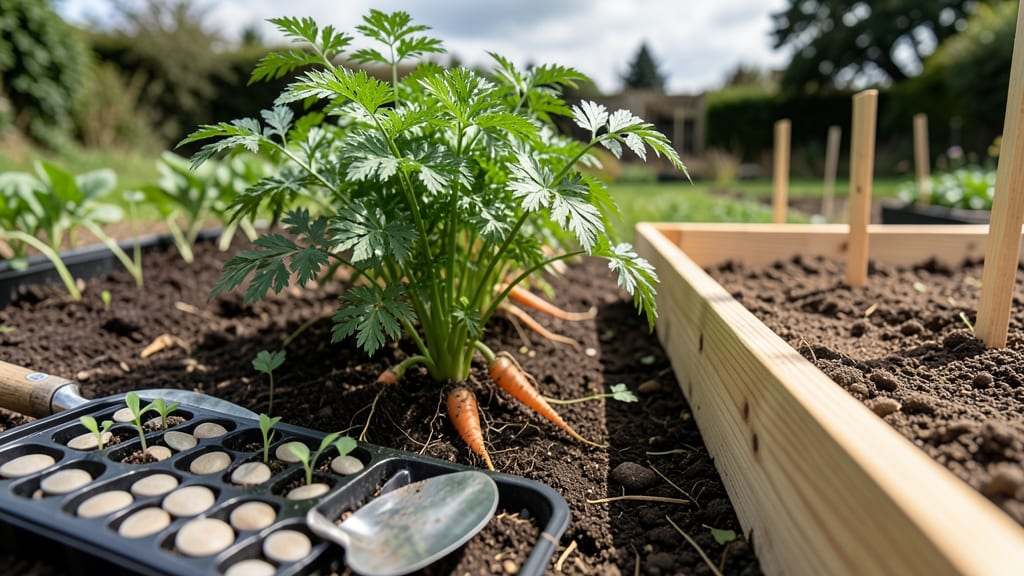
Planting carrots in Connecticut at the right time means the difference between a harvest of sweet, crisp 🥕 roots and a season of disappointment.
Connecticut gardeners know timing is everything—plant carrots too early, and frost ruins your crop; too late, and summer heat turns them woody. Whether you're in zone 6a or along the coast, missing the window can leave you with nothing to show for months of effort.
Spring is your best bet, with soil temperatures warming after April 15—but don’t stop there. Fall planting in August and September gives you a second chance at harvest before the first frost hits in late October.
In this guide, I’ll walk you through the exact frost-free timeline, soil prep tips, and how to stretch your growing season with successive plantings—so you can enjoy homegrown carrots from June through November.
Connecticut carrot planting calendar: best months by frost dates
Connecticut’s USDA zones 5-7 create a unique challenge for carrot growers—cool springs, warm summers, and early falls demand precise timing. Plant too soon, and frost damage stunts growth; too late, and summer heat makes them tough and woody.
The key? Align your planting with soil temperatures and regional frost patterns to maximize your harvest.
Coastal areas like New Haven and Stamford enjoy slightly milder conditions, while inland zones near Hartford and Litchfield face earlier frosts. Understanding these variations ensures your carrots thrive whether you’re in Zone 5b or Zone 7a.
Let’s break down the ideal planting windows, soil prep, and frost-free strategies for Connecticut gardeners.
For spring planting, aim to sow seeds 4-6 weeks before your last frost date—typically mid-March to mid-April in most of Connecticut. Coastal areas can push this to early May, but inland gardeners should start earlier.
Use a soil thermometer to confirm temperatures are at least 45°F (7°C)—carrot seeds won’t germinate in colder soil.
Summer planting is trickier. Once soil temperatures exceed 70°F (21°C), carrots bolt or develop woody textures. That’s why late August to mid-September is ideal—cooler temps return, and you can still harvest before first frost (typically late October to early November).
For inland zones, consider shade cloth to protect seedlings from intense summer sun.
Don’t overlook succession planting—sow new seeds every 2-3 weeks from April through July to ensure a continuous harvest. This works especially well for short-season varieties like ‘Paris Market’ or ‘Little Finger’, which mature in 50-60 days.
Pair this with companion planting (like onions or leeks) to deter pests and improve soil structure.
Regional variations matter. In Zone 5b (northern CT), wait until mid-April for spring planting, while Zone 7a (southern CT) can start as early as late March.
Coastal areas like Groton or Norwalk have 10-14 extra frost-free days compared to inland spots. Always check your local Cooperative Extension Service for microclimate updates.
Pro tip: Test your soil before planting—carrots need loose, rocky-free soil with a pH of 6.0-7.0. Connecticut’s clay-heavy soils often need amendments like compost or sand.
Mix in 1-2 inches of organic matter and rake the bed smooth to prevent forked or stunted roots. A fine seedbed is non-negotiable for perfect carrots!
If you’re new to Connecticut gardening, remember: patience is key. Carrot seeds take 14-21 days to germinate, and thin seedlings to 2-3 inches apart once they’re 2 inches tall.
Mark your calendar for June 1 and September 15—these are the sweet spots for starting new batches to stretch your harvest through fall.
With this frost-free timeline, you’ll avoid the common CT mistakes of planting too early (frost damage) or too late (bolting). Soon, you’ll be pulling crisp,
How to extend your carrot harvest in Connecticut’s short growing season
Connecticut’s unpredictable climate makes growing carrots challenging—one frost can wipe out your crop, while summer heat turns them tough. But with the right strategies, you can enjoy fresh carrots from early summer through fall!
The key is successive planting and choosing varieties that thrive in CT’s USDA Zone 6a conditions. I’ve grown carrots here for years, and these methods have doubled my harvest without extra space.
Start by selecting cold-hardy varieties like ‘Danvers Half Long’ or ‘Nantes’, which tolerate CT’s cool springs and crisp fall air. Pair them with companion plants like leeks or rosemary to deter pests while improving soil quality.
These simple tweaks can turn your carrot patch from a seasonal gamble into a reliable harvest.
- 📅 Plant in 3-week intervals: Start your first batch March 15–April 15 (after last frost), then repeat every 3 weeks until July 15. This ensures a staggered harvest every 4–6 weeks.
- 🌱 Choose short-day varieties: Opt for ‘Paris Market’ (round, fast-growing) or ‘Chantenay’ (sweet, cold-tolerant). These mature in 50–60 days, perfect for CT’s short season.
- 🌿 Use companion plants: Interplant with onions (deters carrot flies) or thyme (improves flavor). Avoid planting near dill or celery, which attract pests.
- 🌡️ Time fall planting for cool roots: Sow your last batch August 15–September 15 for harvest before first frost (Oct 30). Cool nights sweeten carrots naturally—aim for 60–70°F soil temps.
- 💧 Mulch to retain moisture: Apply 2–3 inches of straw after germination to keep soil cool and prevent cracking. Water deeply every 2–3 days (morning only) to avoid fungal diseases.
Don’t overlook soil preparation—CT’s clay-heavy soil can cause forked carrots. Amend beds with compost and coarse sand to loosen the earth. I swear by raised beds for my carrots; they warm up faster in spring and drain better after heavy rains.
If space is tight, try container growing with at least 12-inch-deep pots filled with lightweight potting mix.
For a second fall harvest, try ‘Rainbow’ mixed varieties sown in late July. The shorter days trick them into focusing on root growth instead of flowering.
Just be ready to harvest by mid-October before hard frosts set in. I’ve pulled pound after pound of baby carrots this way—perfect for winter storage!
Protect young seedlings from carrot rust flies with fine mesh row covers until plants are 4 inches tall. These pests are brutal in CT’s humid summers.
Also, rotate planting locations yearly to break pest and disease cycles. My ‘Danvers’ carrots thrive where tomatoes grew last year—just avoid planting where other root veggies were.
With these tricks, you’ll enjoy homegrown carrots from June through November—no more store-bought in CT’s short season! Start small with one 10x12-inch bed to test your timing, then expand next year. Happy digging! 🥕