Plants
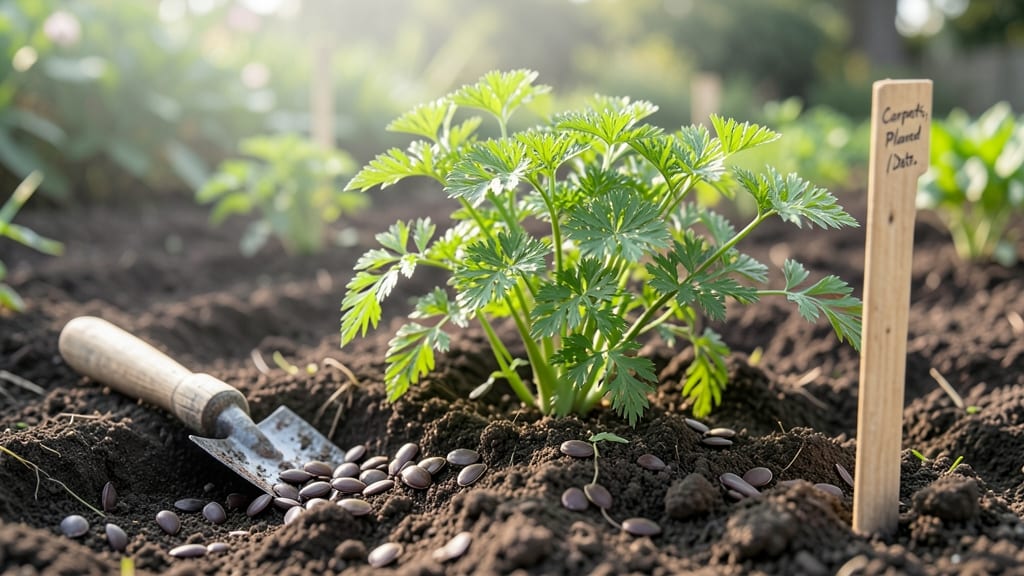
Planting carrots in fall 4-6 weeks before frost is the secret to crisp, sweet roots that outshine spring harvests—if you avoid the common timing mistakes.
Picture this: you’ve just pulled a perfectly straight 🥕 carrot from your garden, its skin still vibrant and its texture snappy—all because you planted it at the right moment. Too early, and pests or heat will ruin your crop; too late, and frost turns your harvest into mush.
The difference between success and disappointment often comes down to knowing your zone and reading the soil.
Cooler fall temperatures actually work in your favor—they reduce pest pressure and slow down carrot fly activity, giving your plants a cleaner, healthier growth cycle.
Plus, the shorter days mean fewer weeds competing for nutrients, so your carrots get all the energy they need to develop those sweet, crisp roots we all love.
In this guide, I’ll break down the exact weeks before frost for your USDA zone, how to prep your soil for straight growth, and pro tips to extend your harvest well past the first frost. Let’s get those carrots in the ground the right way!
Fall carrot planting timeline: weeks before frost by USDA zone
Timing your fall carrot planting is all about beating frost while giving roots enough time to mature. Cooler temperatures actually sweeten carrots, but a hard freeze will turn them mushy. The key?
Plant 4-6 weeks before your average first frost, adjusting for your USDA zone and local microclimates. Let's break down the exact windows for each zone so you can set your calendar.
First, find your local frost dates using the USDA zone map and your nearest weather station. Many gardeners use the National Weather Service or Old Farmer's Almanac for historical averages.
For example, a Zone 5 gardener might see their first frost on October 15, while a Zone 8 gardener could have until December 1. Subtract 4-6 weeks from that date to land on your planting window.
Here’s the summary-table with exact weeks before frost for each zone, plus regional adjustments for early or late frost areas:
For example, if you're in Zone 6a like me, with an average first frost on November 15, count back 4 weeks to land on October 15 as your target planting date.
But if you live in Zone 7b with a frost date of November 1, you’d plant around October 1. Always check your local microclimate—valleys and low-lying areas freeze earlier than hillsides.
Pro tip: Use short-season varieties like 'Early Nantes' or 'Paris Market' in warmer zones (8-10) to ensure they mature before frost. These varieties take just 50-60 days to harvest, giving you a safety net if your frost arrives early.
In colder zones (3-5), opt for longer-season types like 'Danvers' or 'Chantenay' to store energy for winter.
Don’t forget to test your soil temperature before planting. Carrots germinate best in soil that’s 60-70°F. If your soil is still warm (above 75°F), wait a few days—bolting (premature flowering)
Signs your fall carrots are ready to harvest before frost hits
Fall carrots develop their signature sweetness when exposed to cooler temperatures, but timing your harvest is everything. If you pull them too early, they’ll be small and woody. Wait too long, and frost will turn them mushy or cause them to split.
The key is knowing the 3 key signs of maturity—and how to act on them before the first hard freeze.
Start by checking the shoulder of the root, the part just above the soil line. When it’s 0.5 to 1 inch exposed, your carrots are likely ready.
This indicates they’ve reached their full size without overgrowing. Next, examine the skin texture—it should be firm and smooth, not fibrous or tough.
Cold temperatures actually boost carrot sweetness, but only if you harvest them at the right stage. Roots left too long in the ground before frost may develop a bitter taste or become rubbery.
The 3-4 week window before your first expected frost is your best bet for peak flavor and texture.
- 1
- 2
- 3
- 4
If your carrots meet these signs but frost is still 2+ weeks away, consider storing them in a sandbox or insulated bin to preserve freshness. For immediate cooking, harvest when roots reach 0.75 inches in diameter—they’ll be tender and packed with flavor.
Avoid pulling them when soil is waterlogged, as this increases the risk of breakage.
Cold snaps can trick you into thinking carrots are ready when they’re not. If temperatures drop below 30°F (-1°C), the roots may become woody or pithy. Always prioritize harvesting when soil temps stay above 40°F (4°C) for at least 3 days—this ensures optimal texture and sweetness.
Pro tip: Dig a test hole near your carrot patch to check root progress without disturbing the entire bed. This non-destructive method helps you gauge maturity without sacrificing your entire crop. Harvest in the morning when soil is cooler for the freshest, crispest roots.